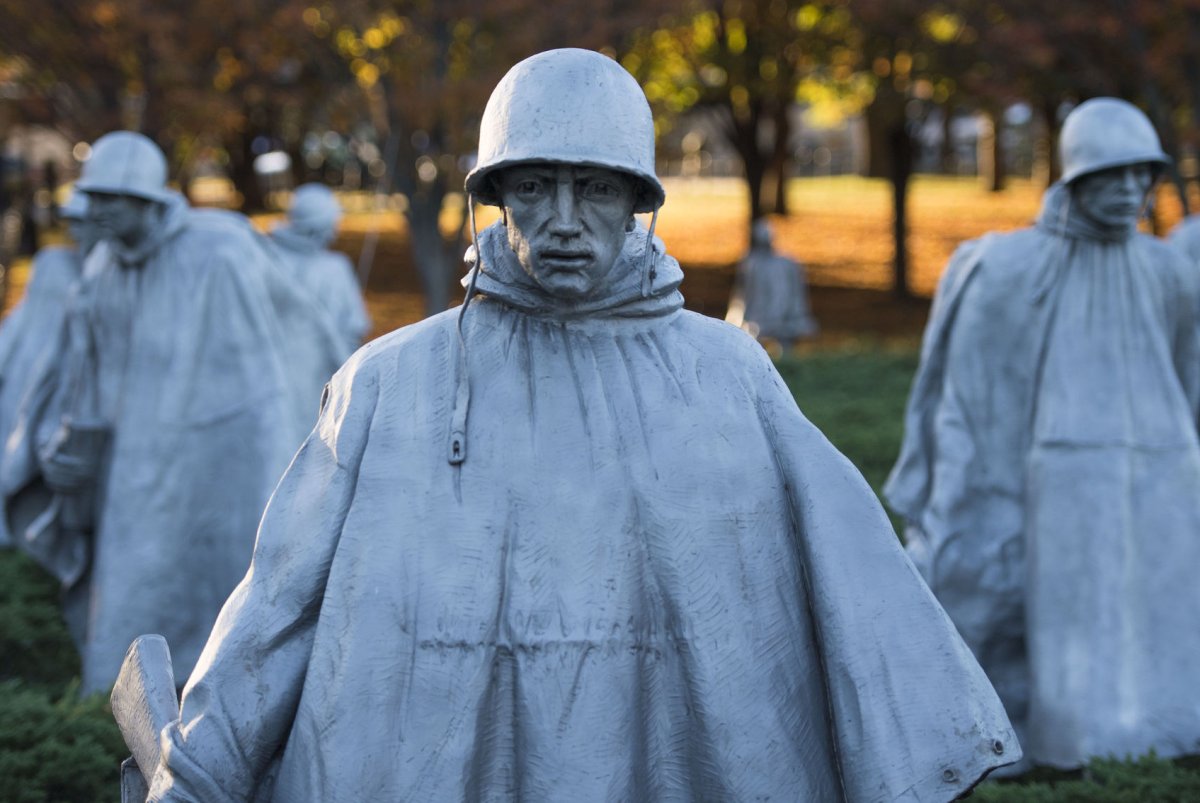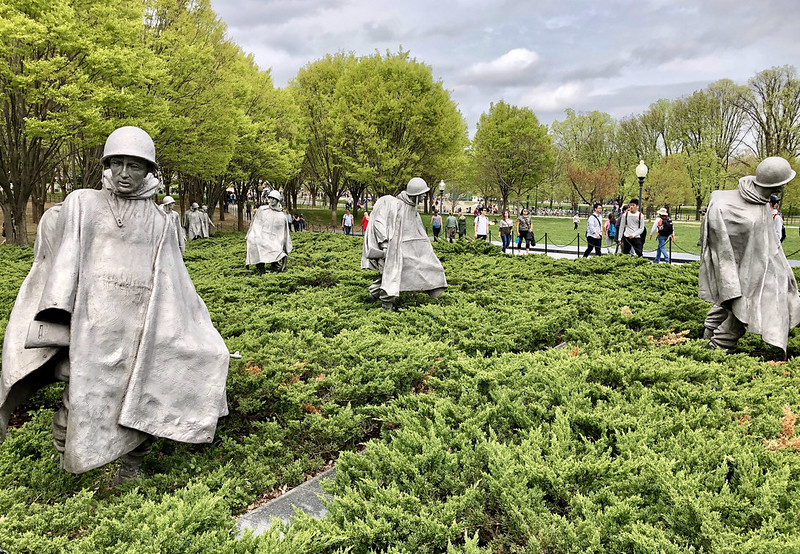
As we commemorate the start of the Korean War seventy years ago, we should also take note of the precedent set by Congress’s inaction in that conflict, and the weakening of its claim to war powers that followed. Before 1950, Congress had authorized major military operations more than a dozen times, including five declared wars. Since 1950, Congress has ducked its responsibilities to approve—or block—major combat at least half a dozen times.
Congress probably did not realize it was setting a precedent—although it was certainly departing from one. Besides declaring wars, earlier Congresses had approved conditional authorizations of force against France in 1798, Algiers in 1815 and in Florida in 1811 and 1819. Lawmakers also retrospectively approved operations against Tripoli in 1802 and Mexico in 1914. Dozens of military deployments to Central America and the Caribbean before the 1930s were tolerated possibly because they were limited in size and usually duration and thus not thought of as wars requiring congressional action. The Korean War was a different story.
In 1950, President Harry Truman’s first reaction to North Korea’s invasion of the South was to send supplies to South Korean forces. He respected Congress, having served as a senator for more than 10 years before becoming chief executive, so he insisted on consulting with the leadership. But he was also decisive and believed in the authority and responsibilities of the president. He didn’t want necessary action in Korea to be hindered by a contentious Congress.