A race for rights: How sport is helping protect girls in Uganda
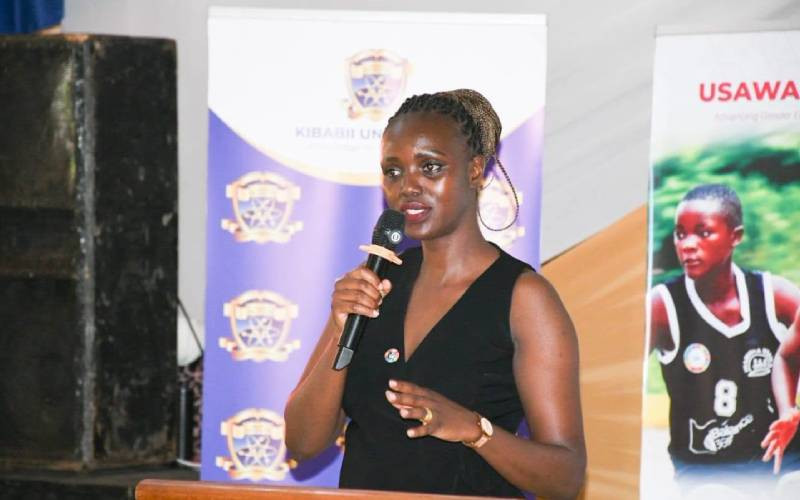
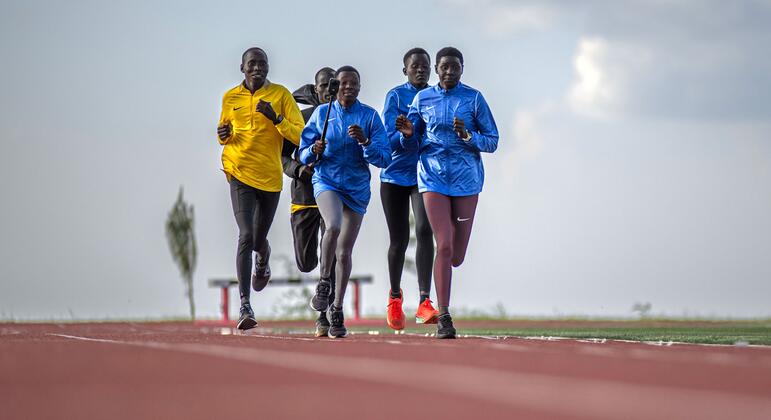
“As a female coach, the girls trust me,” she said. “They tell me things they can’t tell anyone else, about pressure to undergo female genital mutilation (FGM), about being told to quit school, about relationships that make them feel unsafe.”In parts of rural and hard-to-reach Uganda, female genital mutilation remains a serious human rights violation and public health concern. For girls in Sebei communities, it is tied to deep-rooted gender norms that also increase the risk of child marriage, school dropout and violence.Yet on school grounds and running tracks, change is beginning to take hold.A coach, a track and a safe spaceMs. Cheptoek works with the Joshua Cheptegei Development Foundation, partnered with the UN reproductive health agency (UNFPA) and UN Children’s Fund (UNICEF) Joint Programme, to eliminate FGM by using sport as an entry point to reach young people – especially girls – who are often excluded from opportunity.“This mindset undervalues their social, intellectual and cultural potential,” she said. “Sport helps us challenge that.”For many girls, resisting harmful practices comes at a high personal cost. Those who refuse female genital mutilation can face pressure, ostracism and even violence for being seen as rejecting tradition.Female genital mutilation – altering or injuring genitalia for non-medical reason – is often followed by child marriage and leaving school early. All are closely linked to poverty, which both drives these harms and is reinforced by them.