Sacrifices made to reach final – defying social stigma, lack of resources and juggling jobs between training – makes victory still more extraordinary
G
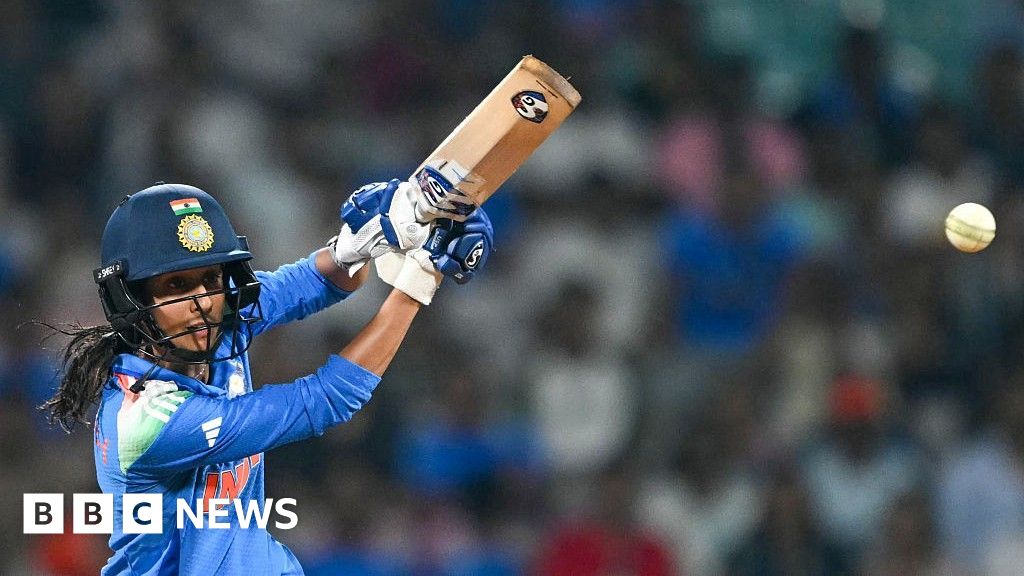
rowing up in rural India, Shafali Verma always knew she had a hunger to play cricket. But in her small town of Rohtak, in the north Indian state of Haryana, cricket was not a game for girls. Aged nine, desperate to play, she cut her hair short, entered a tournament disguised as her brother, and went on to win man of the match.
Verma’s determined father, Sanjeev, in the face of refusal from every cricket academy or training centre who would not accept his daughter, enrolled her as a boy. “Luckily, nobody noticed,” he recalled, as Verma made her debut for the national women’s team at 15 years old.
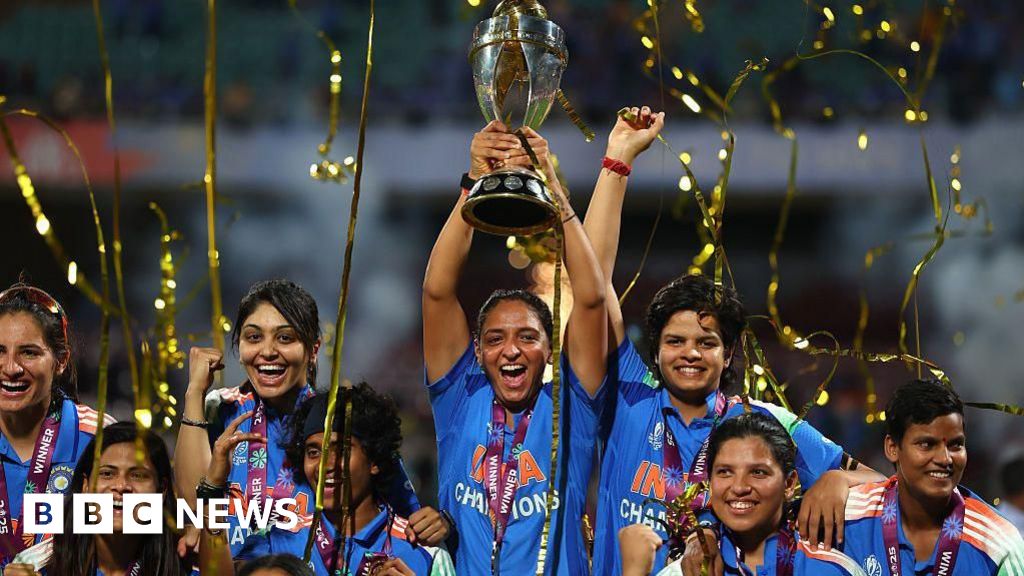
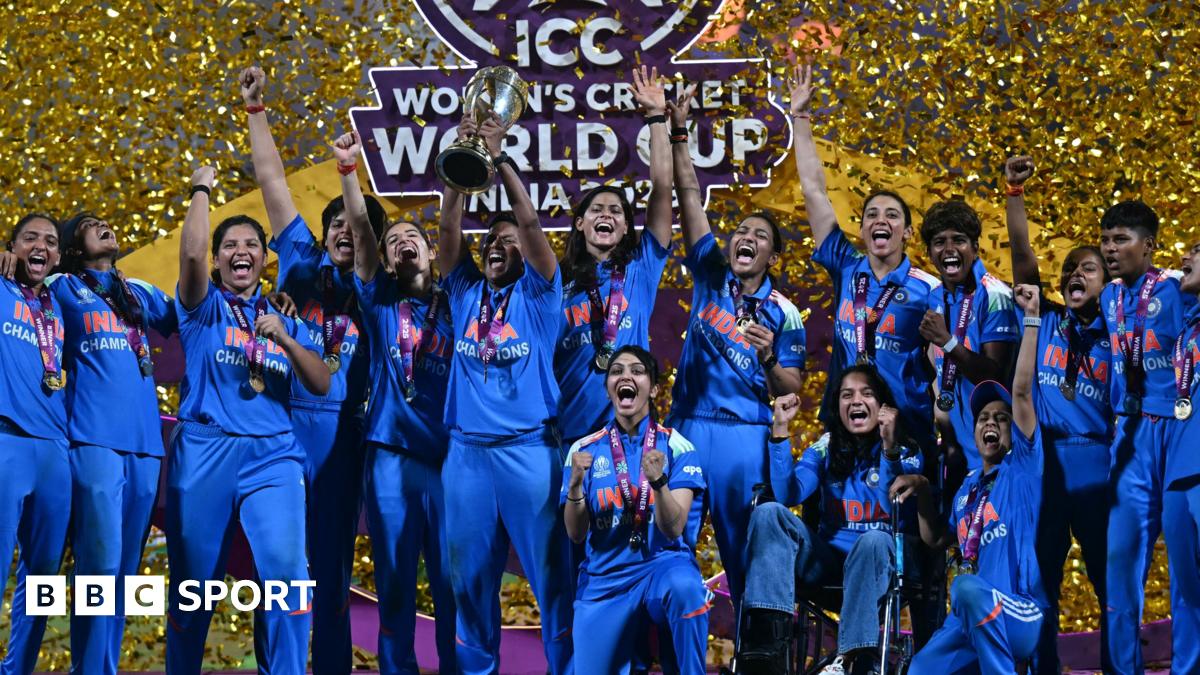
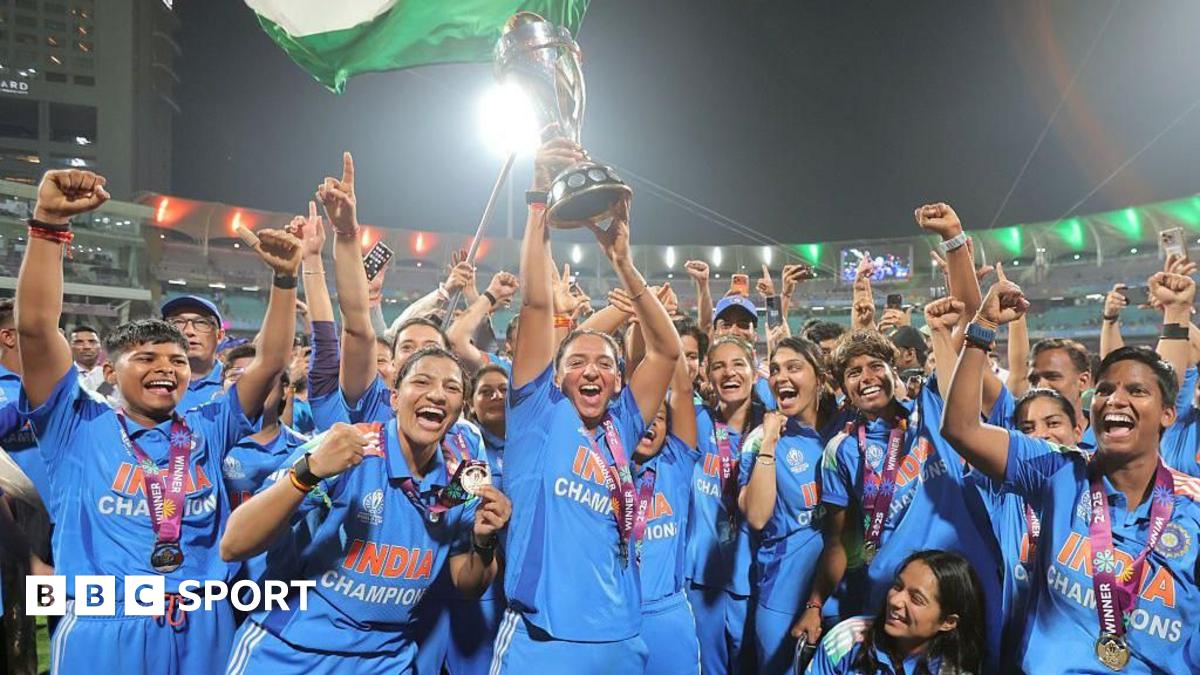
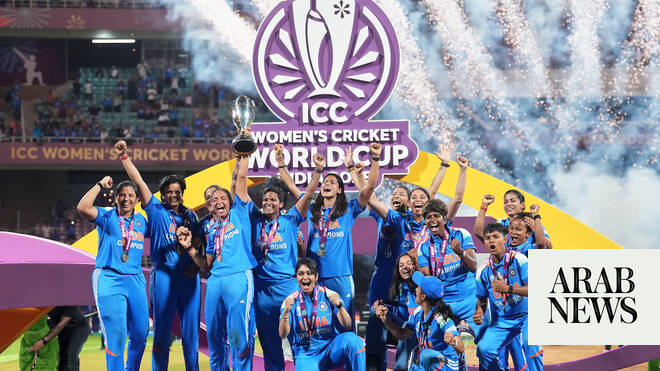
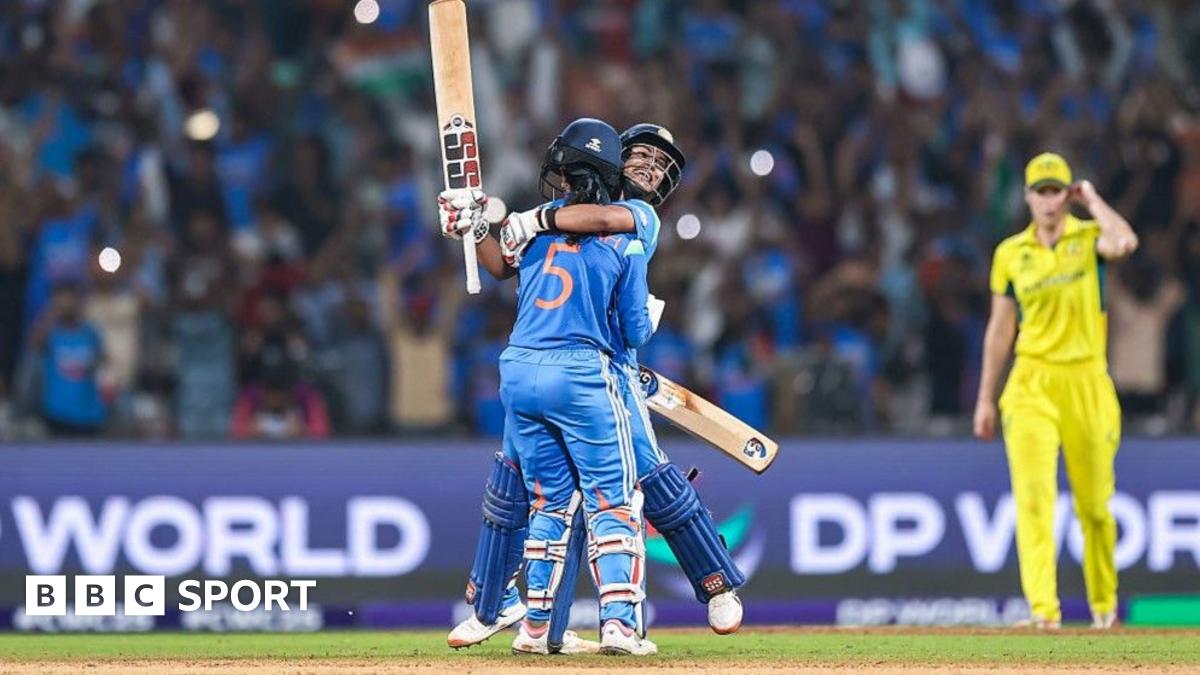
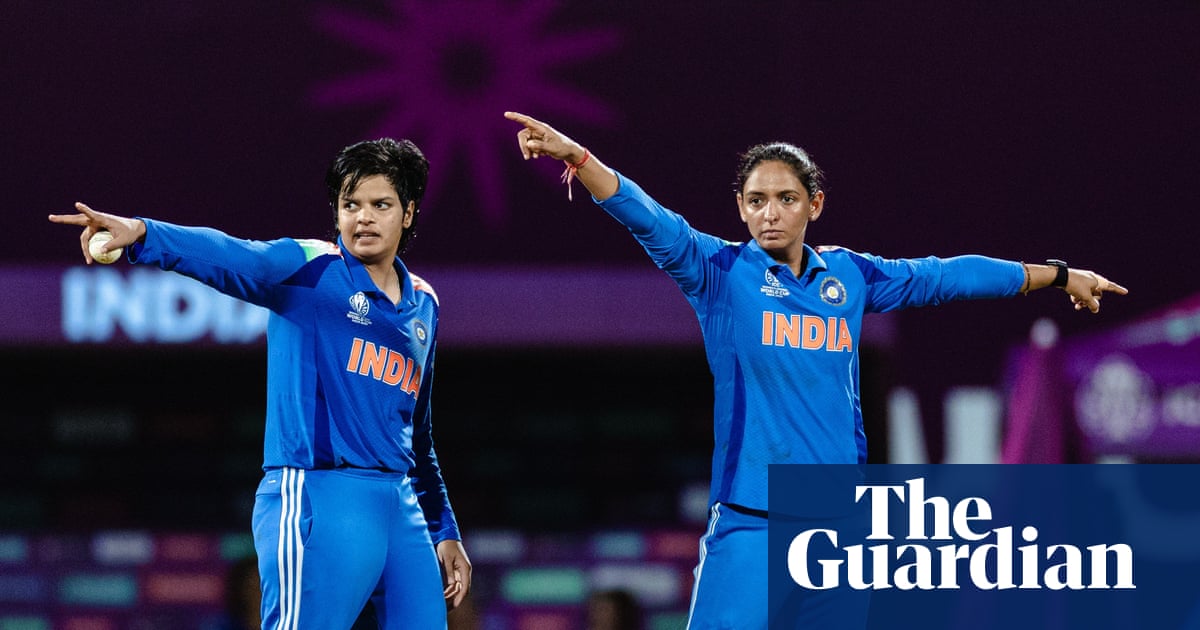
On Sunday, Verma stood triumphantly with her teammates as they held aloft the Women’s Cricket World Cup, making history as the first Indian women’s national team to win the cup – and for equality. The struggles and sacrifices made for years by the women to get here – defying social stigma, a lack of resources and juggling manual jobs between training – made their win even more extraordinary.