O
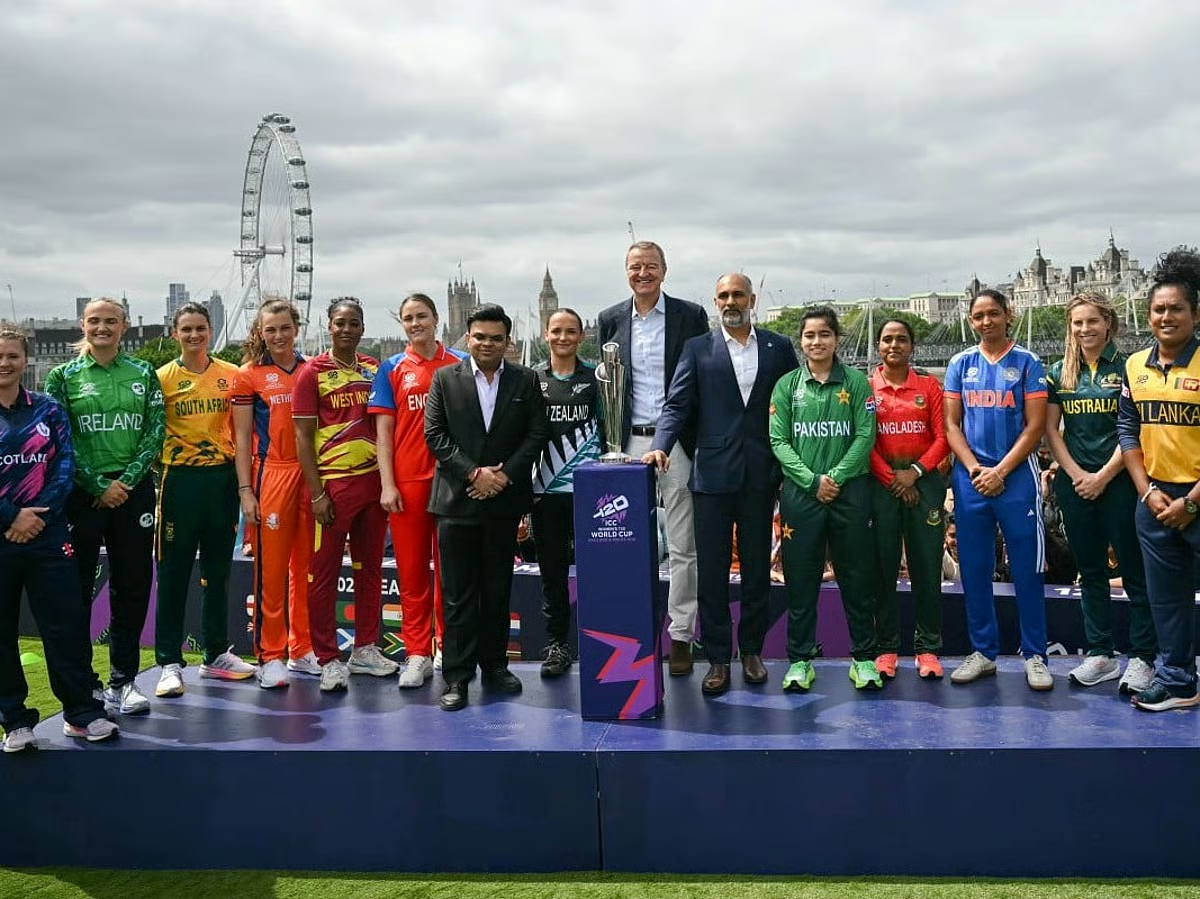
nce so accustomed to fighting for recognition, women’s cricket is now thriving under unprecedented scrutiny, resources and expectation. It has the weight of genuine visibility, commercial clout, professionalism and competition, driven in no small part by India — hosts of the Women’s World Cup, which begins on Tuesday.
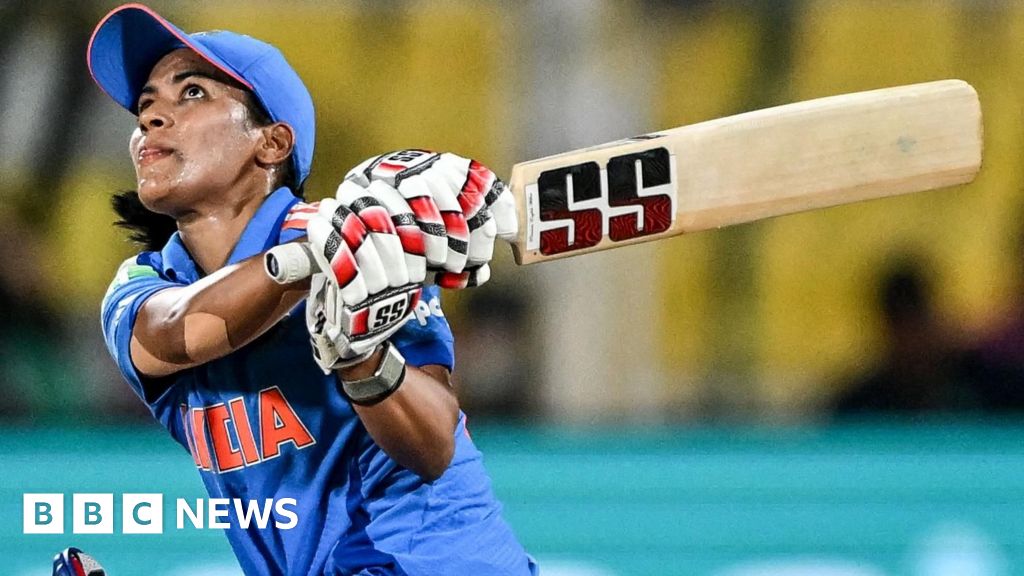
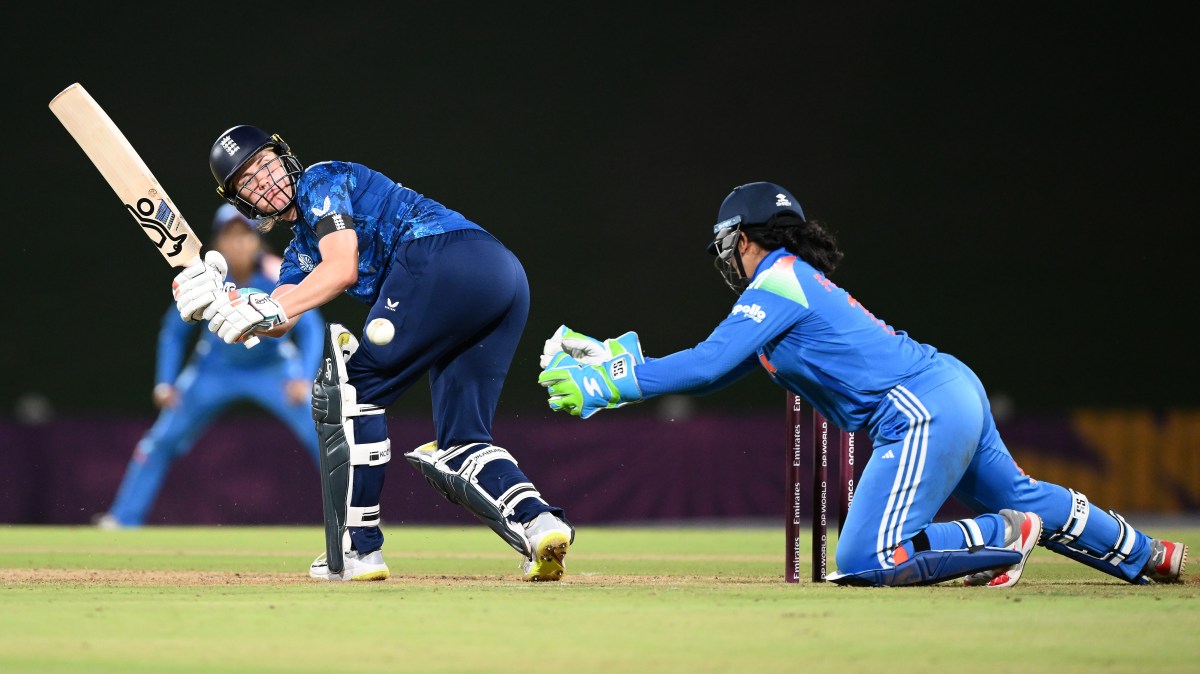
It is 12 years since India hosted the tournament and their arc of progress since could scarcely be more striking. In 2013 the fixtures were played in front of sparse crowds and at modest grounds with patchy broadcast coverage. The India team were barely recognised in their home country and were paid very little. Now they are becoming a powerhouse who compete at the top table, the stadiums will be full, their players are household names and their team have a genuine chance of lifting the trophy for the first time in their history.
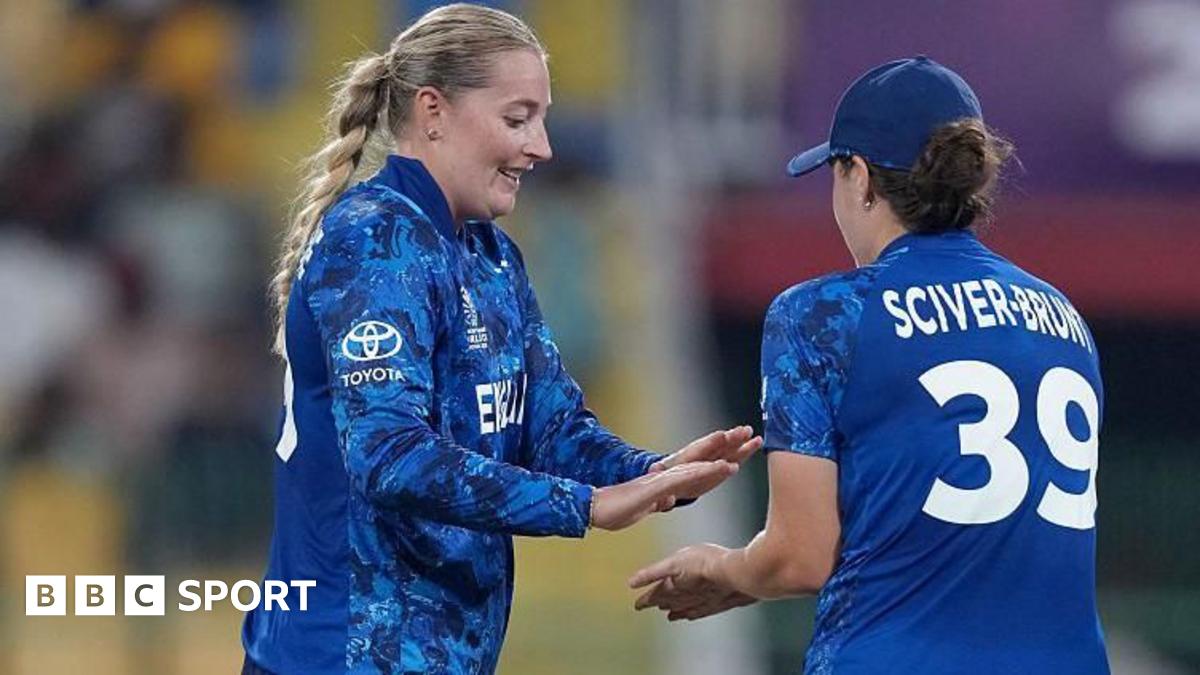
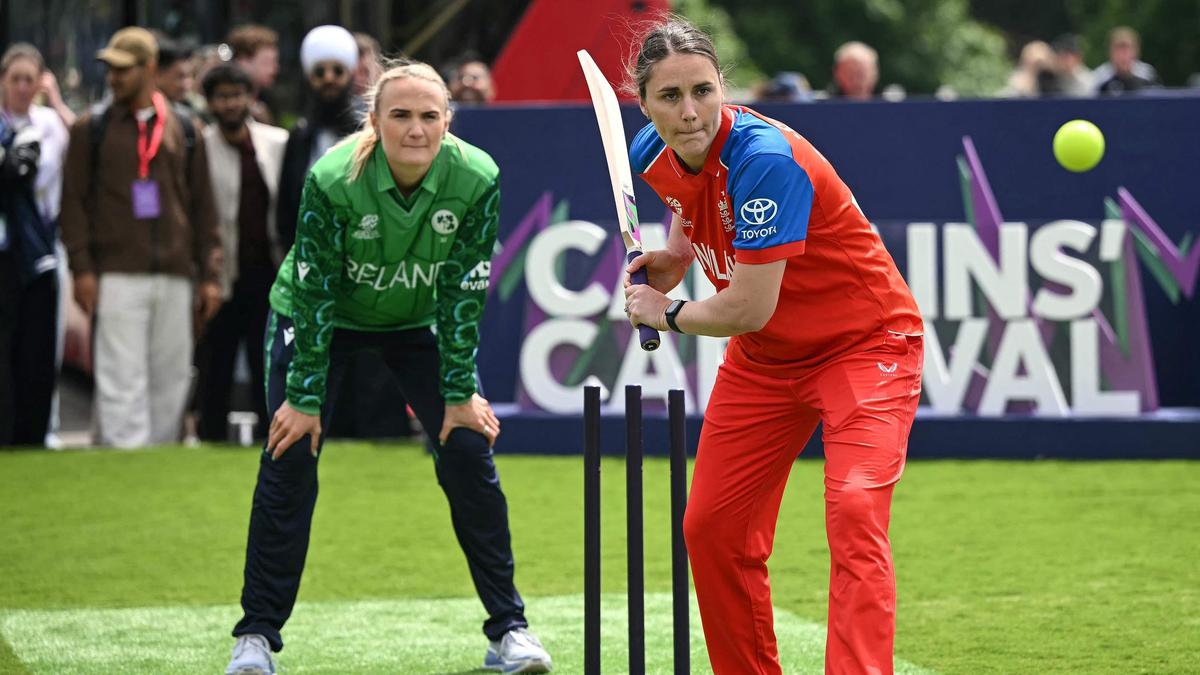
The prize money on offer is a staggering £10.5million — on a par with the men — and this tournament is set to be the most widely watched in its history. Nat Sciver-Brunt, England’s captain, believes the tournament could represent a “seismic moment” for the sport. “I think we’ll all look back on our careers when we’re retired and mark the World Cup in India as a game-changer,” she said.