Education or food? Funding shortfalls force Sudanese refugees in Egypt to ‘make very difficult decisions’
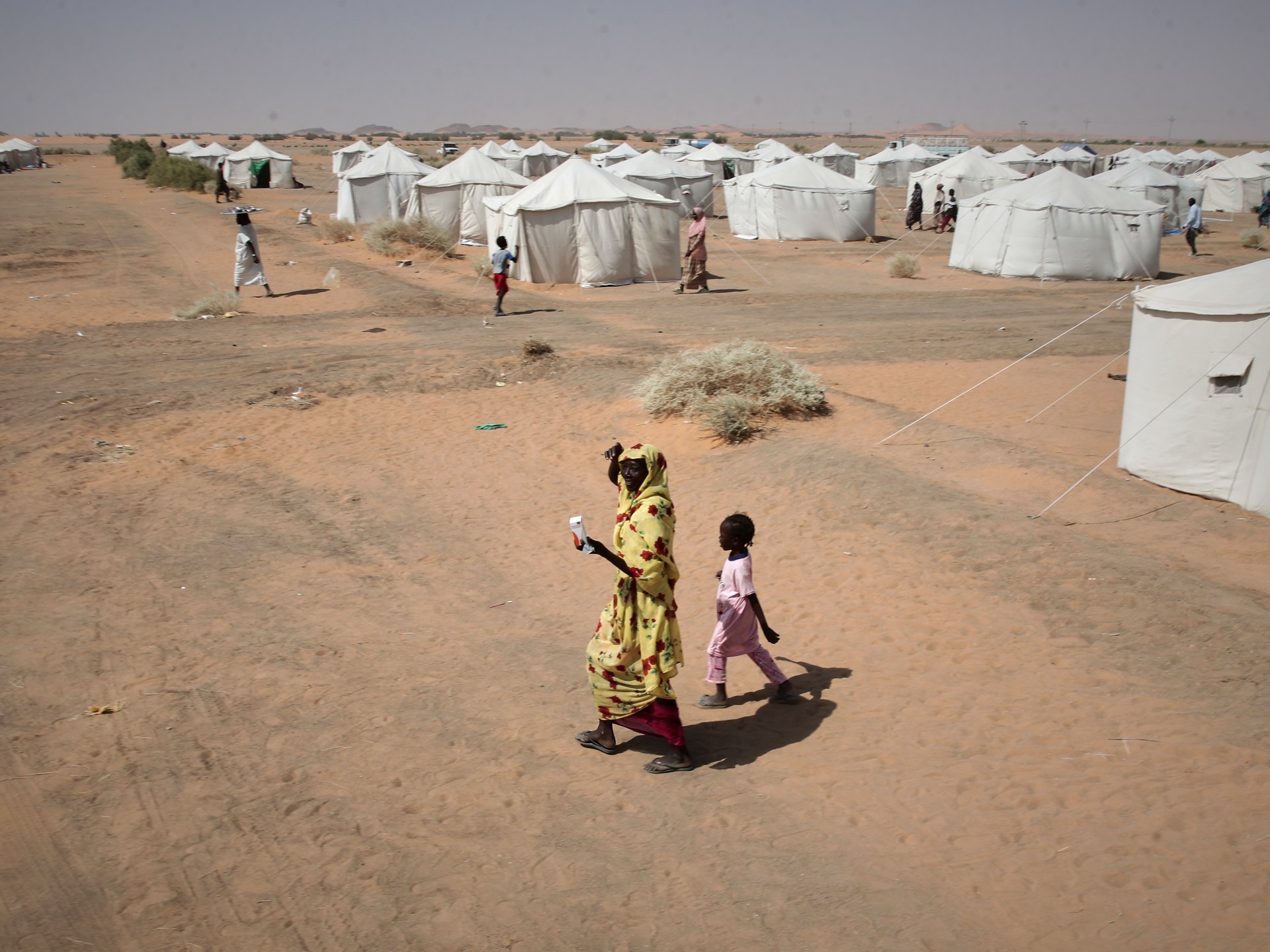
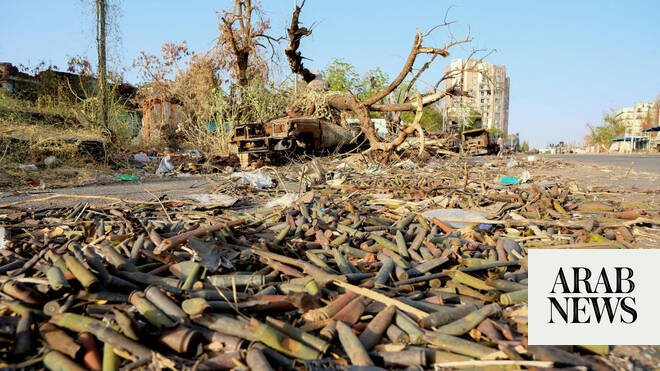
Roughly 850,000 Sudanese are now living in Egypt, having escaped the brutal conflict in their homeland which recently entered a fourth year. Among them is Nawal*, a mother and widow struggling to meet the basic needs of her six children who are not receiving enough food – the youngest of whom is constantly ill. Supporting refugees and asylum seekers UNHCR assists Sudanese arrivals through several services, including registration and refugee status determination, delegated by the Egyptian Government, UNHCR spokesperson in Egypt Christine Beshay told UN News. The agency provides protection services as well as health, education, child and psychological support, in addition to cash assistance for the neediest families, including Nawal’s.
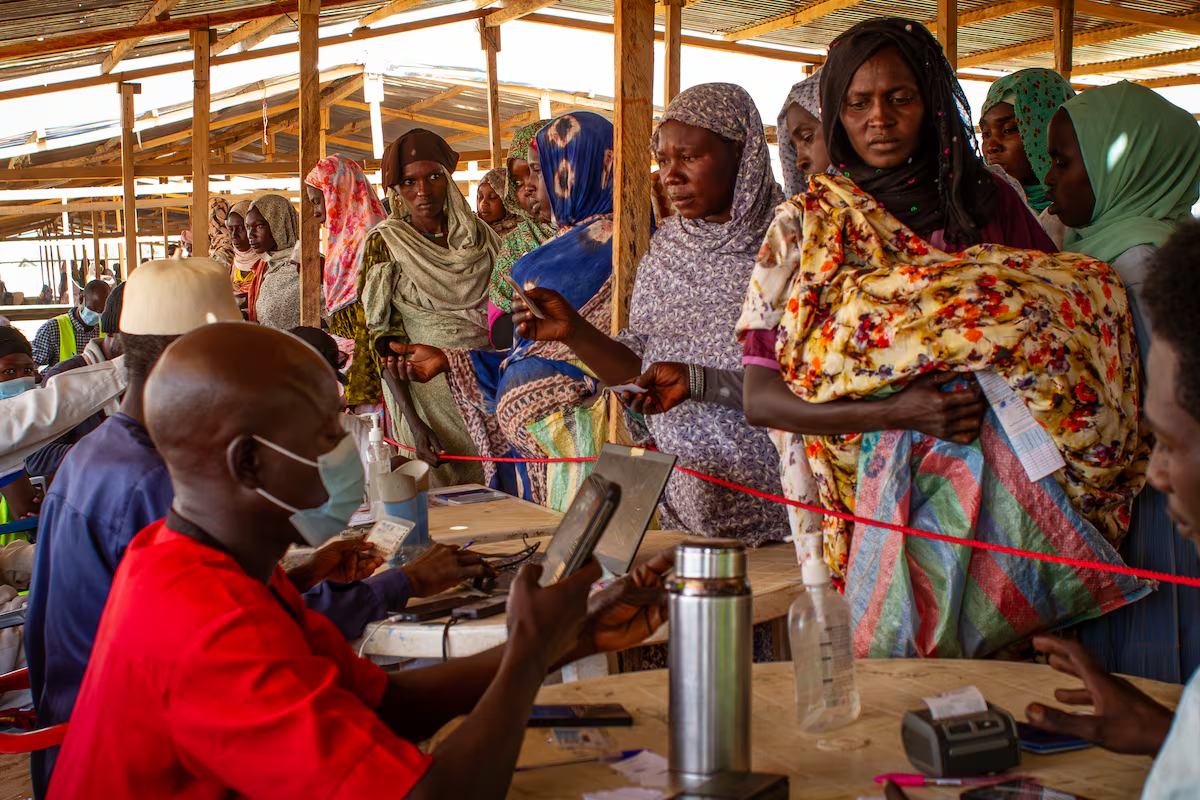
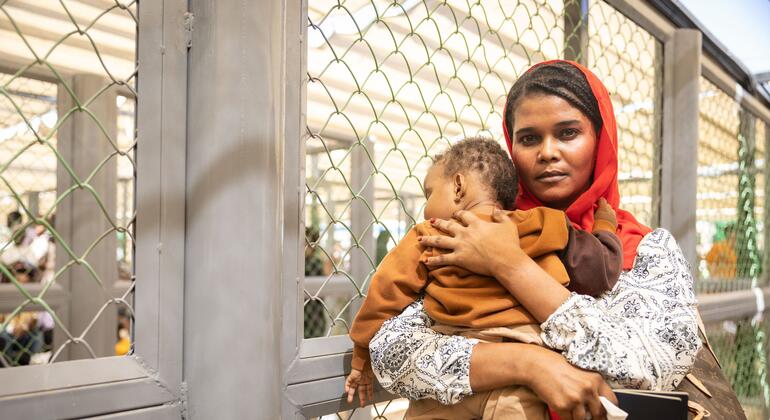
Sudanese refugees waiting at a UNHCR registration center in Cairo, Egypt.
But this support that refugees and asylum seekers receive is at risk due to what Ms. Beshay described as a serious funding shortage problem – not only because of the recent change in funding reaching humanitarian and development agencies, but also because the total number of refugees in Egypt has risen from 300,000 three years ago to more than 1.1 million. Funding decrease In 2025, funding levels remained almost the same as in 2022 – that is, before the outbreak of the Sudan crisis. “The share of funding available to each refugee has decreased from $11 per month to only $4,” Ms. Beshay said. “The $11 amount was already insufficient to cover all the refugees’ needs, and therefore, with the number of refugees doubling and funding shortfalls, the support we provide has been reduced.” Programme threatened with suspension Nawal and other beneficiaries of UNHCR’s cash assistance programme receive approximately 1,530 Egyptian pounds (about $29) per month. She also works part-time. Yet, this is not enough, as Nawal has had to enroll only three of her children in school, while her eldest son has dropped out to care for his siblings while she is at work. Ms. Beshay said that UNHCR often prefers to provide cash assistance to refugee families, allowing them to choose with dignity how to cover their needs, whether it be paying for rent, food, education, or health.