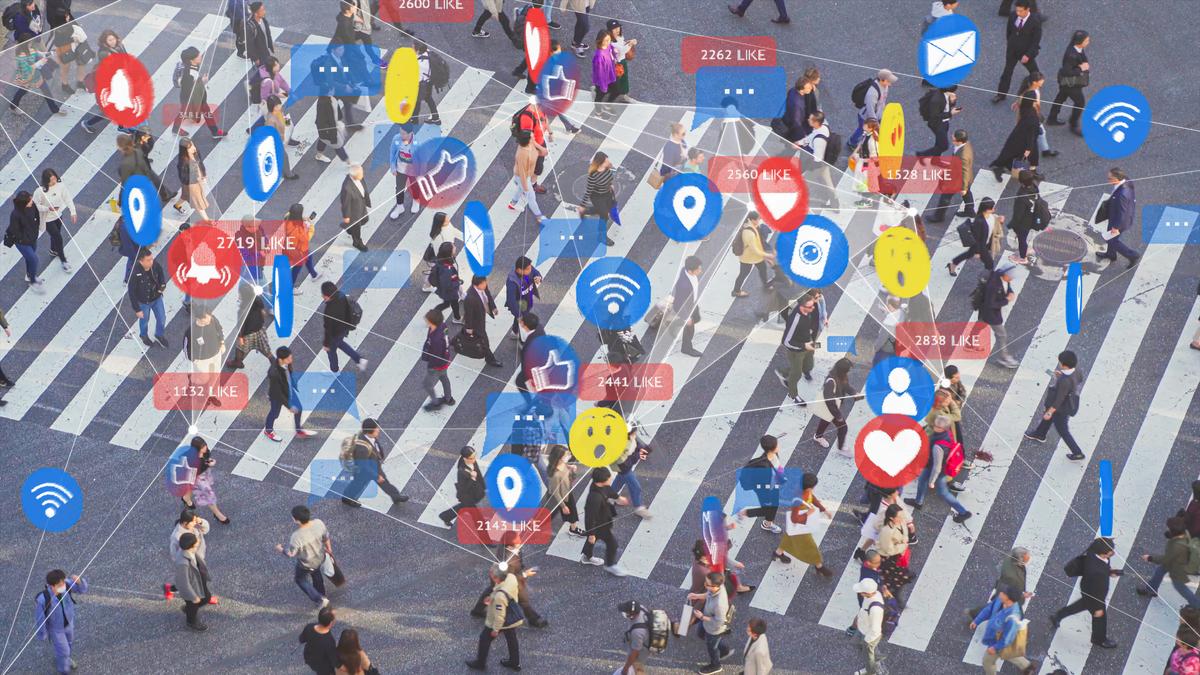
In our increasingly online lives, convenience has come at a cost.
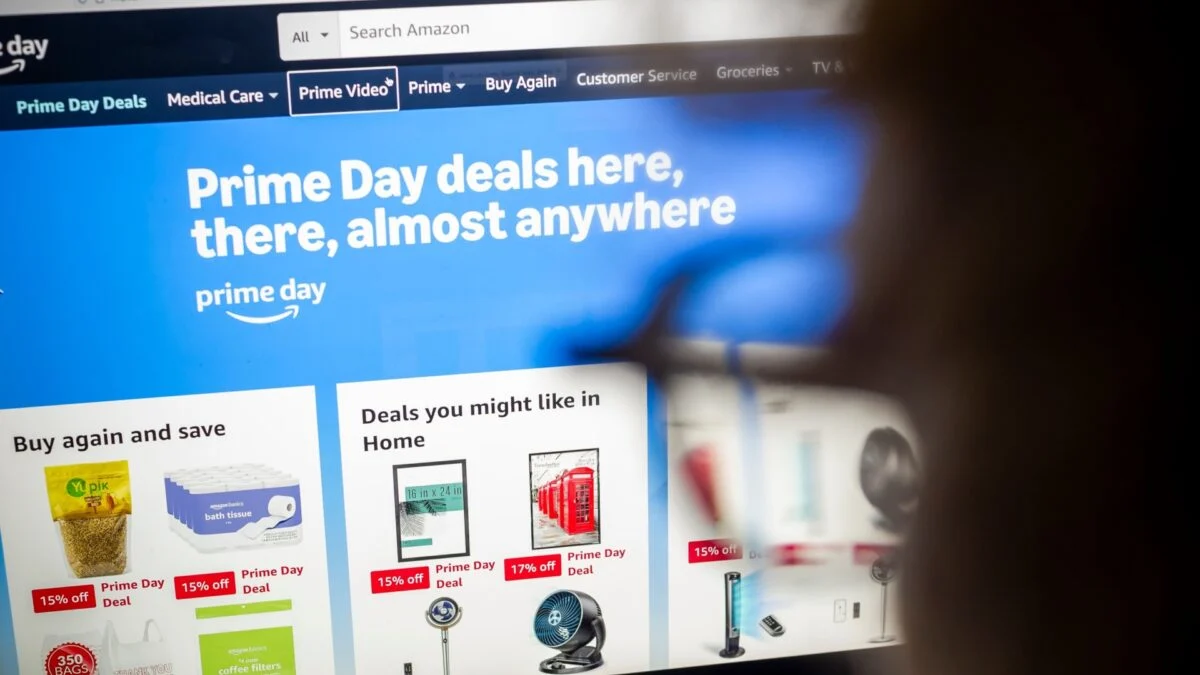
The average person has more than 100 online accounts, and creating a new one often requires handing over personal information like an email address or a birthdate.
Researchers at the Applied Social Media Lab at the Berkman Klein Center for Internet & Society say the current system puts your privacy at risk and makes you more vulnerable to identity theft, and they have a plan to fix it.
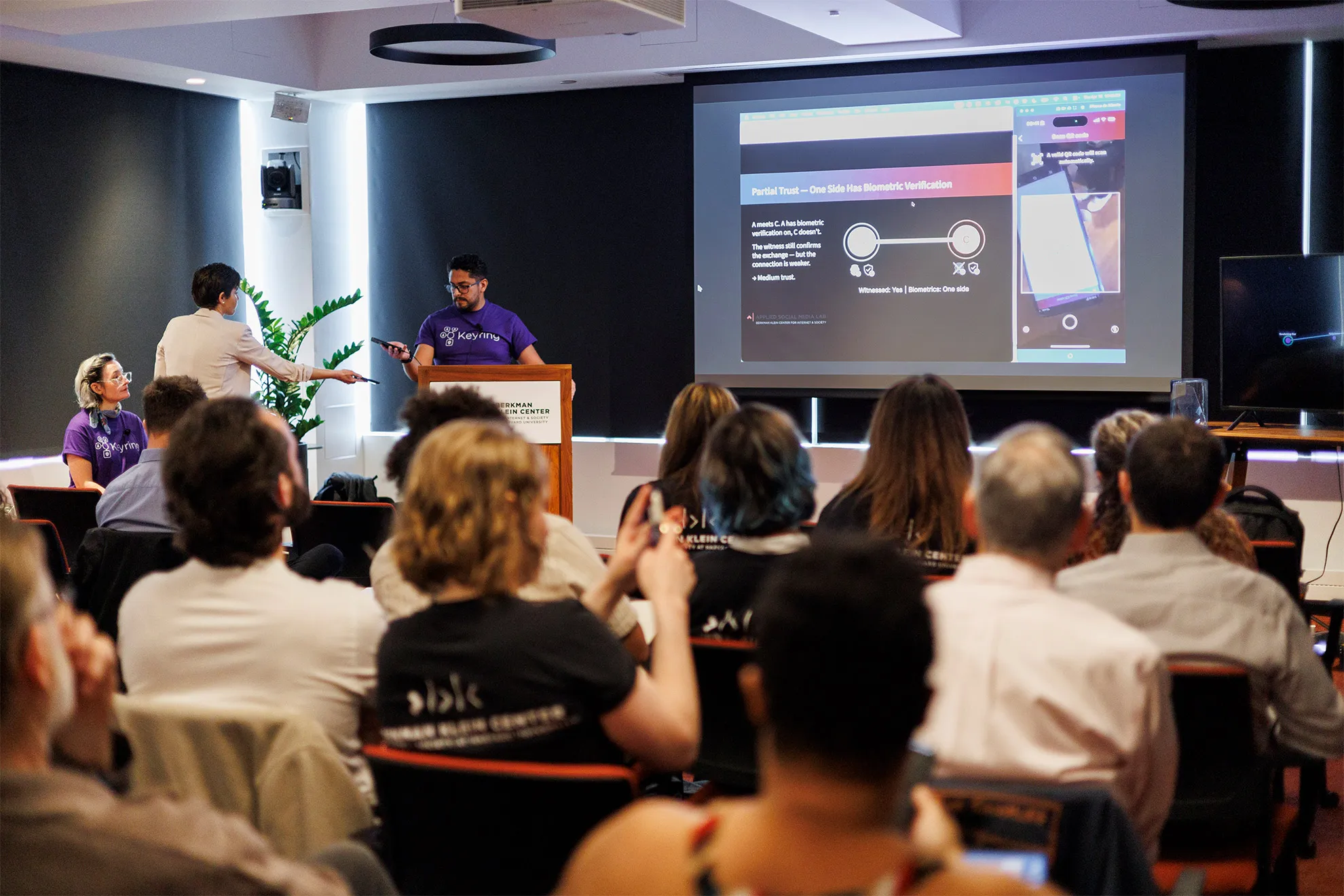
As part of a digital identity symposium in April, engineers from ASML launched the Keyring wallet, an open-source identity verification tool. Rather than surrendering personal data to be stored in corporate databases, Keyring lets users keep their information on their mobiles and disclose only what is absolutely necessary to verify who you are.
“Identity is actually deeply personal,” said ASML principal investigator James Mickens, Gordon McKay Professor of Computer Science at Harvard John A. Paulson School of Engineering and Applied Sciences. “Your age, your name, your location, your gender — all of these are inextricably tied to you as the user, not to some company or some particular piece of technology.”