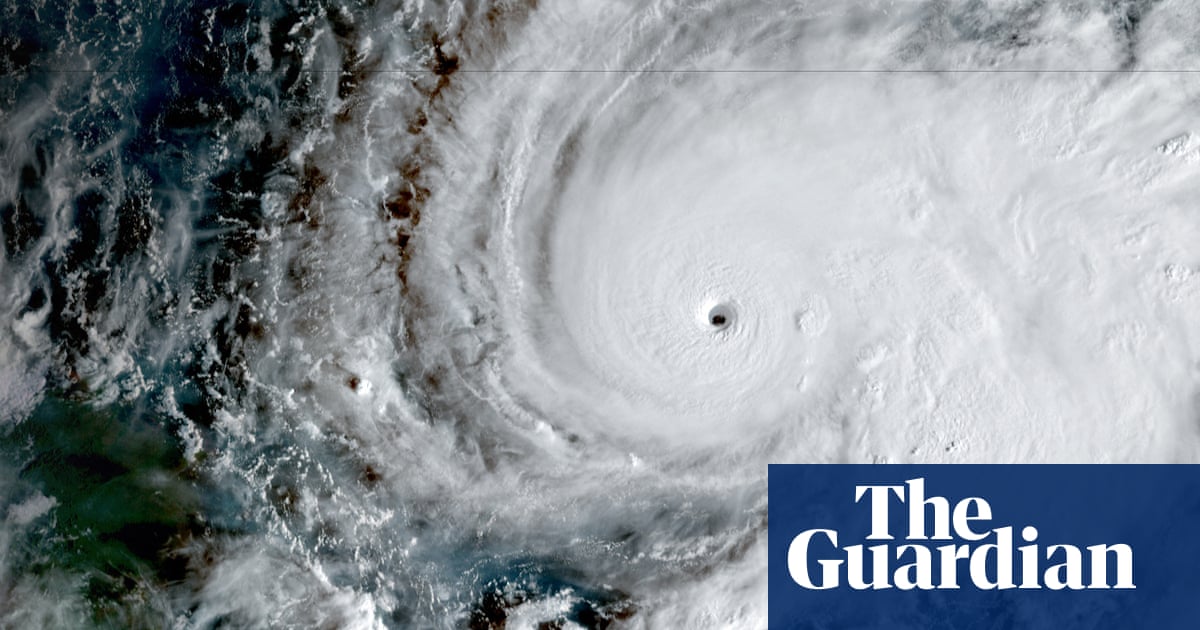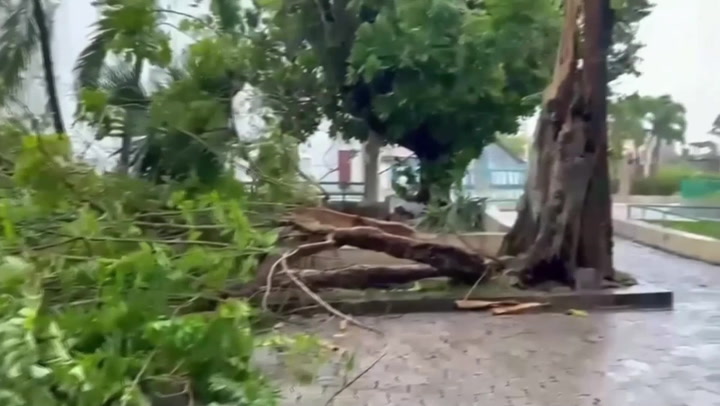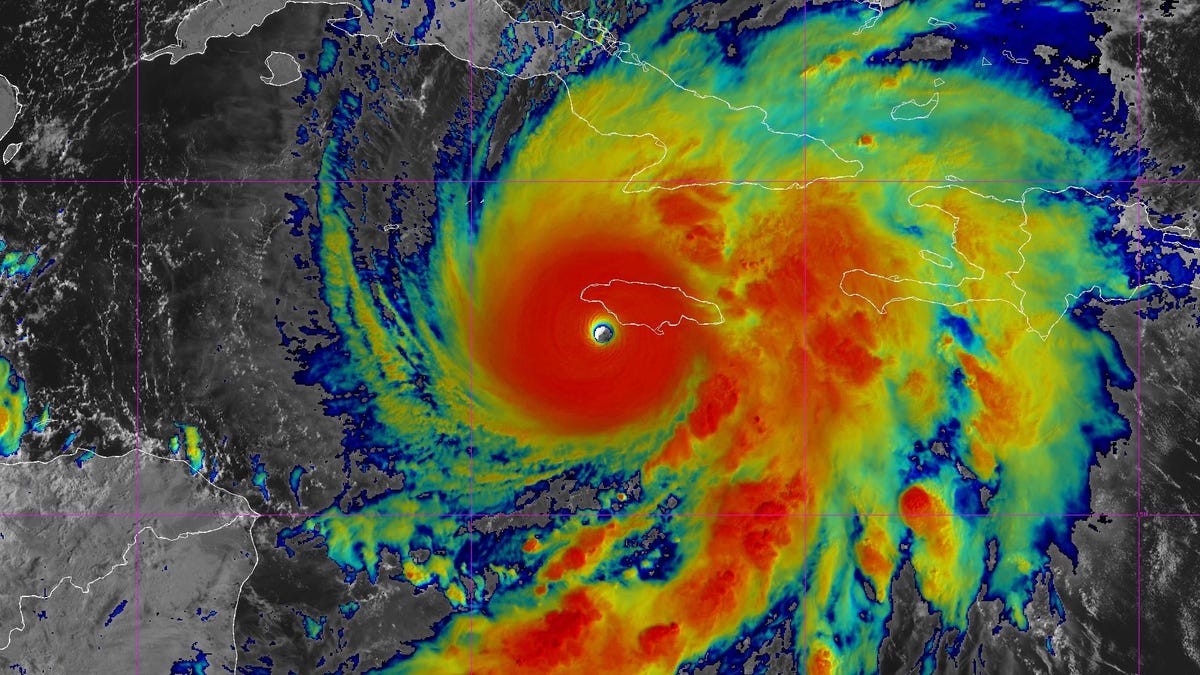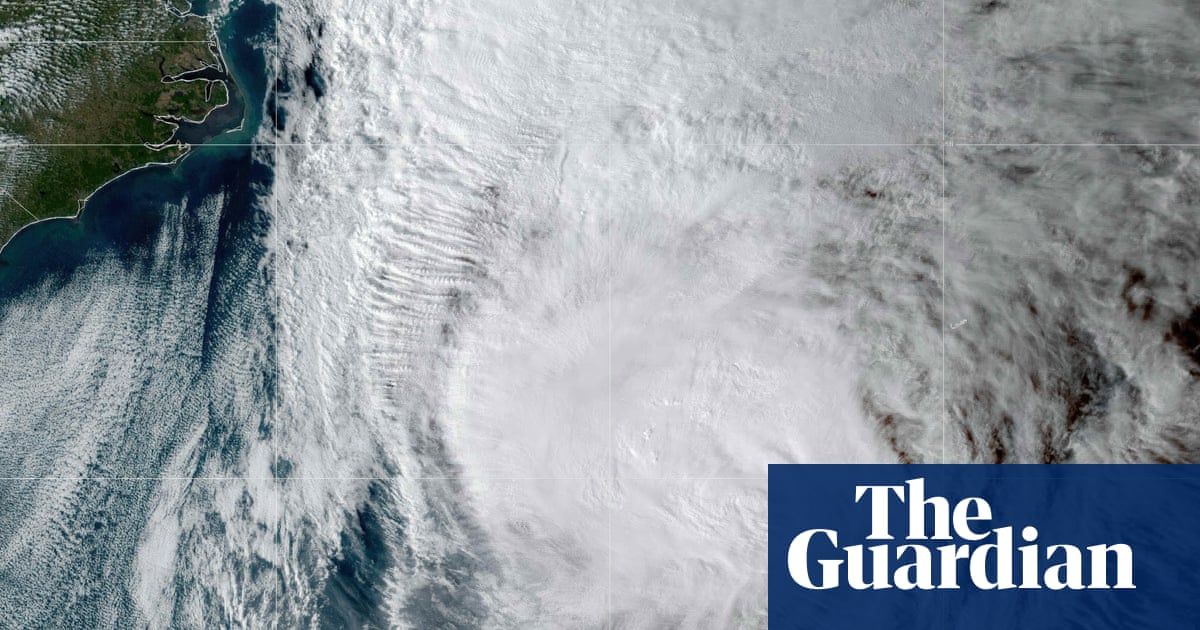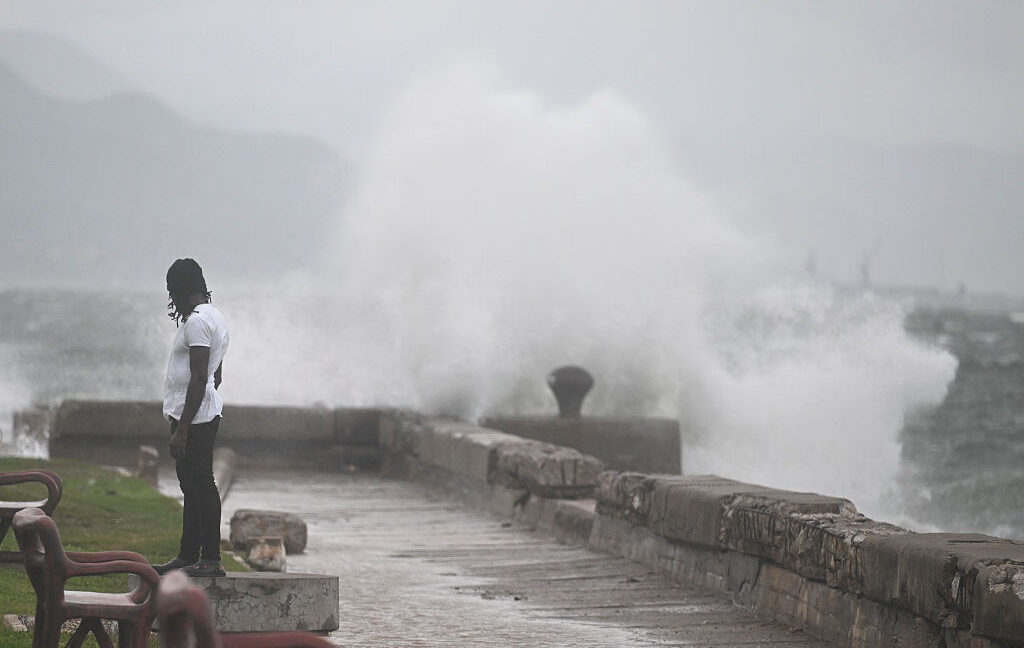
In late October 2025, Tropical Storm Melissa moved through the Caribbean Sea with moderate winds that didn’t get much attention. But on Oct. 25, aided by a patch of warm ocean, the storm rapidly intensified. By the time it made landfall in Jamaica, it was one of the strongest Atlantic hurricanes on record, uprooting trees, tearing the roofs from buildings, and causing catastrophic flooding and power outages.
Ravi Pappu SM ’95, PhD ’01 blames the surprise on our inability to gather high-quality ocean data.
“The storm intensified because of a small pool of hot water in the Caribbean Ocean that fed it energy,” Pappu explains. “These pools are everywhere. They can be hundreds of kilometers wide and are literally invisible to us. If we knew about that pool, we could say very precisely how the hurricane would intensify and better deal with it.”
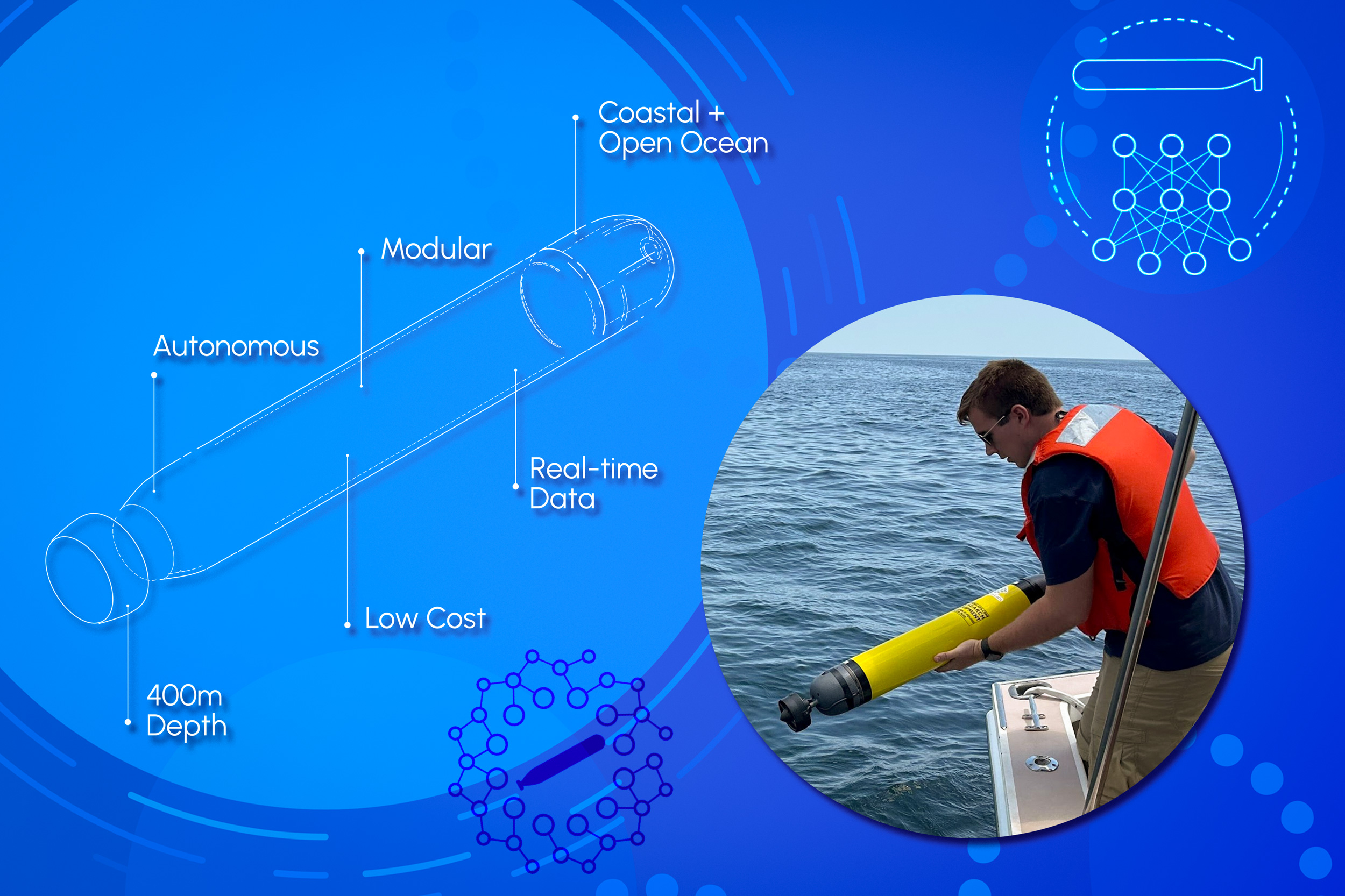
Pappu thinks he has a way to solve that problem. He is the founder of Apeiron Labs, a company deploying low-cost autonomous ocean sensors to capture more data, in more places, and at a lower cost than is possible today. The company’s devices roam the ocean up to a quarter mile below the surface and continuously gather data on temperature, acoustics, salinity, and more, providing a real-time look at one of the planet’s last known mysteries. He says the sensors can do for the ocean what small, modular CubeSat satellites did for Earth observation from space.