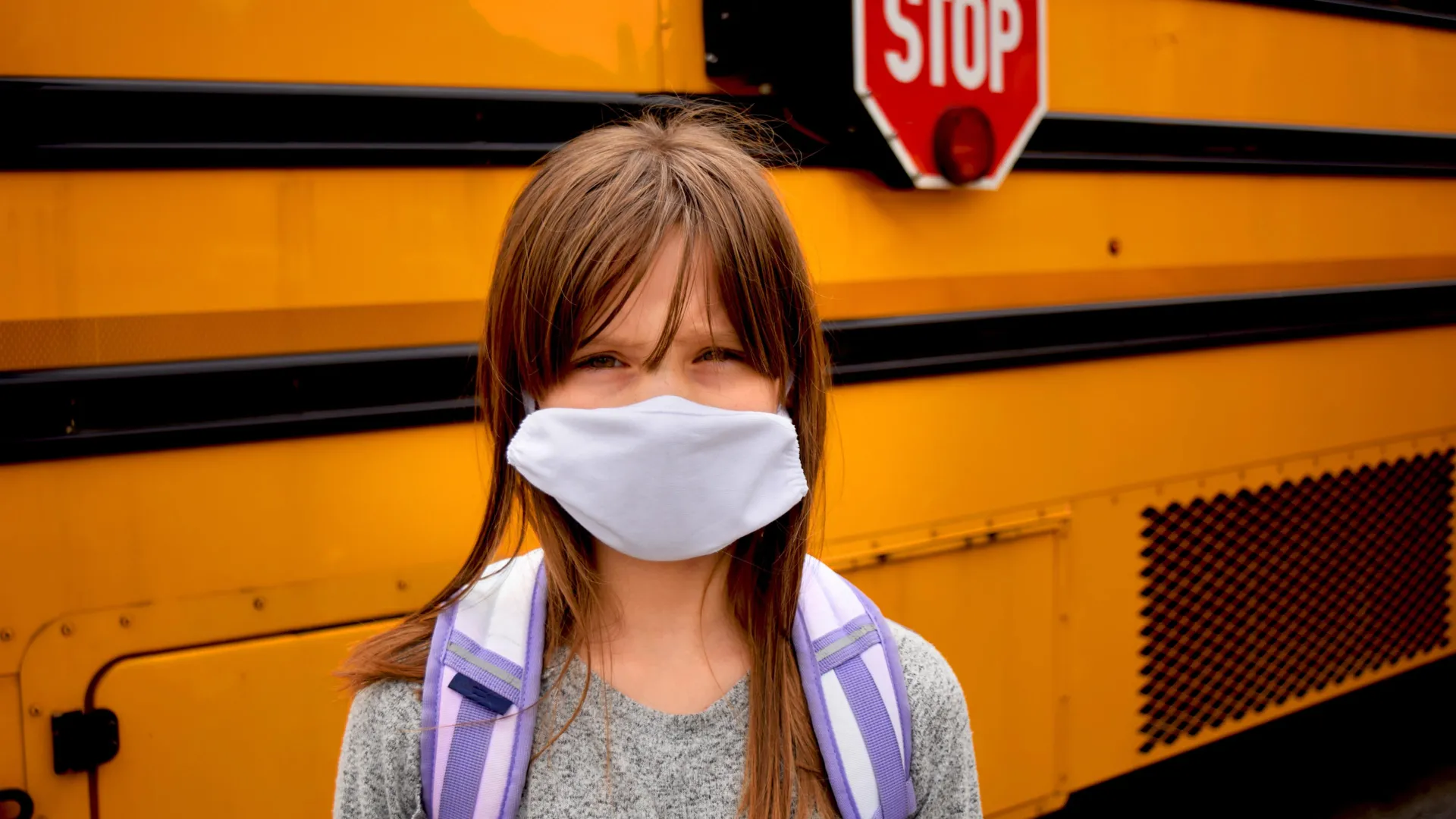
Children who returned to in-person school during the COVID-19 pandemic were much less likely to receive mental health diagnoses than children whose schools stayed closed. Reductions were seen in anxiety, depression, and ADHD, and girls experienced the greatest improvements. Mental health care spending fell notably after schools reopened, reaching an 11 percent decrease by the ninth month. This research represents one of the largest and most comprehensive analyses to date on how pandemic school closures affected children's mental health.School Reopening During COVID Linked to Better Mental Health for Children
A new study from Harvard T.H. Chan School of Public Health and collaborating institutions reports that children experienced far fewer mental health diagnoses when their schools reopened during the COVID-19 pandemic. The reductions were seen across conditions such as anxiety, depression, and attention-deficit/hyperactivity disorder (ADHD). Health care spending connected to these diagnoses also declined, and girls showed the strongest improvements.
The study was published on Dec. 8, 2025, in Epidemiology.
"Our results provide solid evidence to parents, educators, and policymakers that in-person school plays a crucial role in kids' well-being," said senior author Rita Hamad, professor of social epidemiology and public policy. "The findings offer lessons for future public health emergencies and provide insight into why mental health worsened for children during the pandemic."