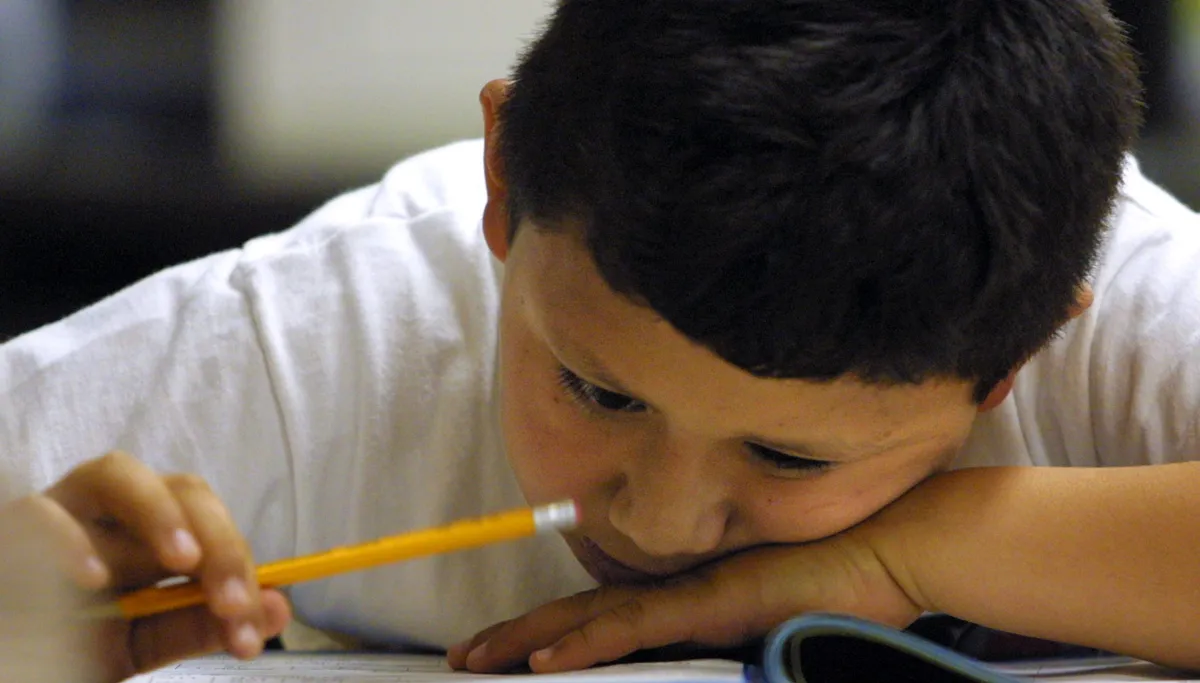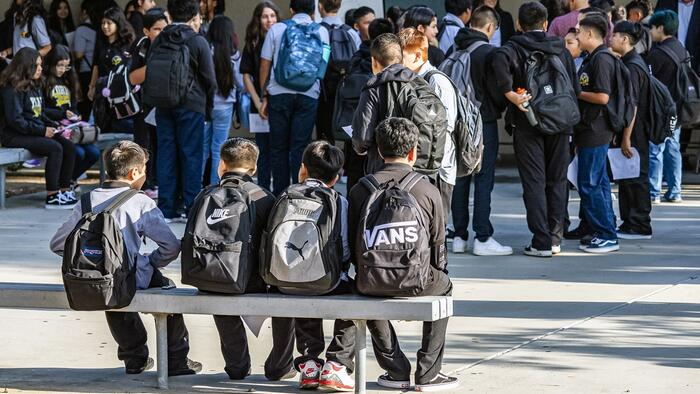
When the National Assessment of Educational Progress published its 2022 report, the conclusion seemed clear: COVID-19 had devastated American students. Test scores in reading had dropped five points for nine-year-olds between 2020 and 2022—the largest single decline since 1990. Math scores fell seven points over the same period, another historic drop. The pandemic, most agreed, had triggered a “learning recession.”
But a sweeping new education report suggests the real story started much earlier—and COVID may have been more accelerant than cause.
The Education Scorecard, conducted by researchers from Harvard, Stanford, and Dartmouth, tracks K-12 academic performance across most states. The latest edition of the report, published earlier this month, found reading scores are down in a whopping 83% of schools, while math scores are down in 70% of them.
“The pandemic was the mudslide that followed seven years of erosion in student achievement,” Tom Kane, an economist and education professor who serves as the director of Harvard’s Center for Education Policy Research, said in a press release. “The ‘learning recession’ started a decade ago. … The recovery of U.S. education has begun. But it’s up to the rest of us to spread it.”