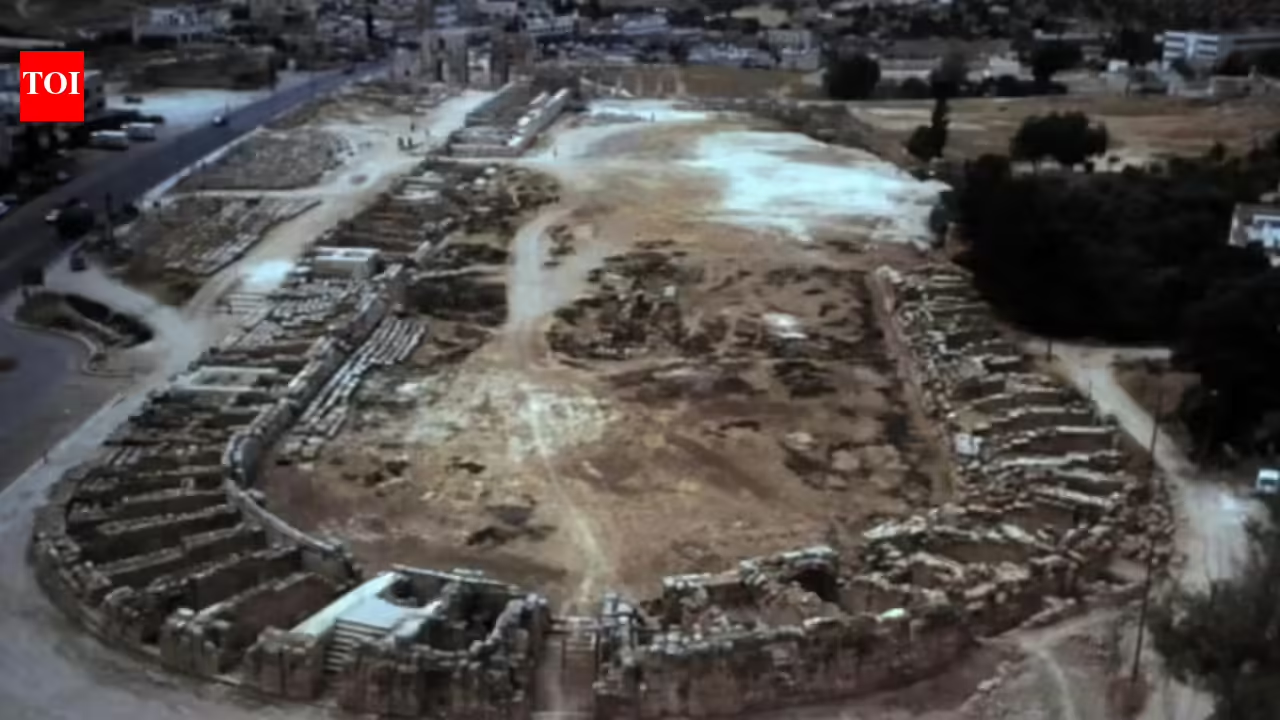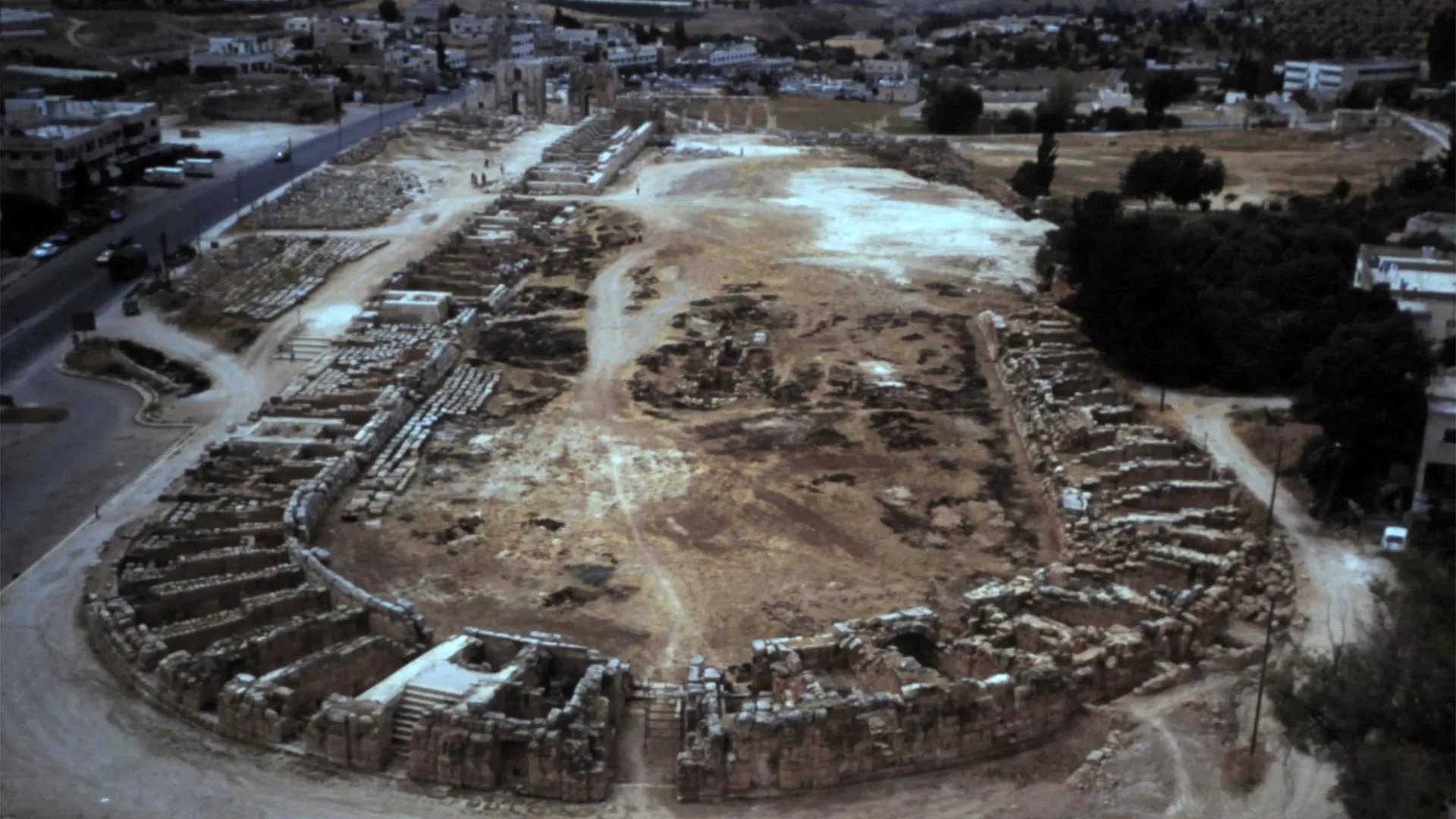
"A plague is upon us'' may have been a familiar cry in ancient Jordan, where a mysterious disease killed large numbers of people and left a lasting mark on society and history.
Today, researchers are uncovering new details about that crisis. An interdisciplinary team from the University of South Florida is studying the Plague of Justinian and its far-reaching effects. The group, led by Rays H. Y. Jiang, an associate professor in the College of Public Health, has published a third paper in an ongoing series examining what is believed to be the first recorded outbreak of bubonic plague in the Mediterranean.
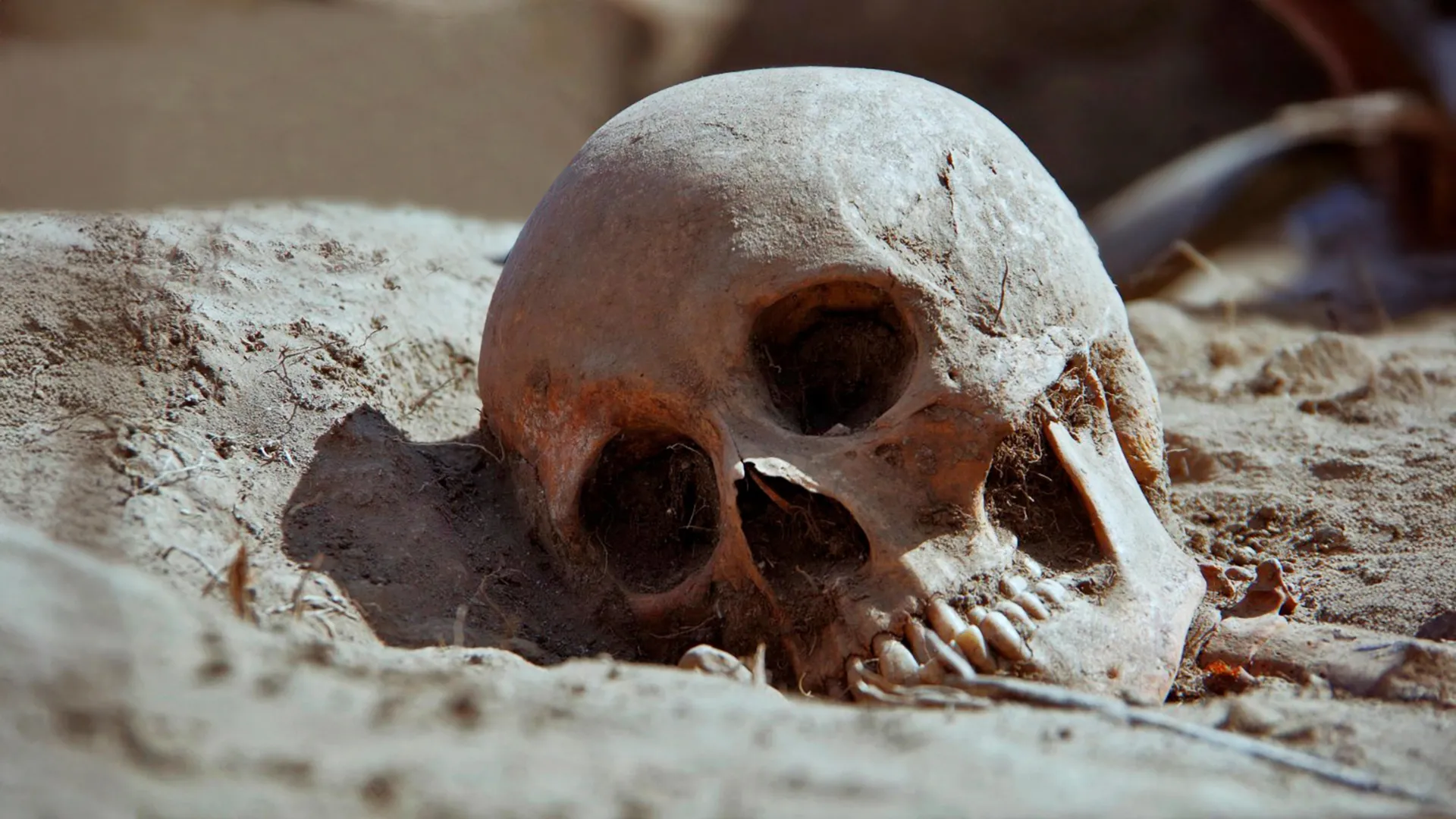
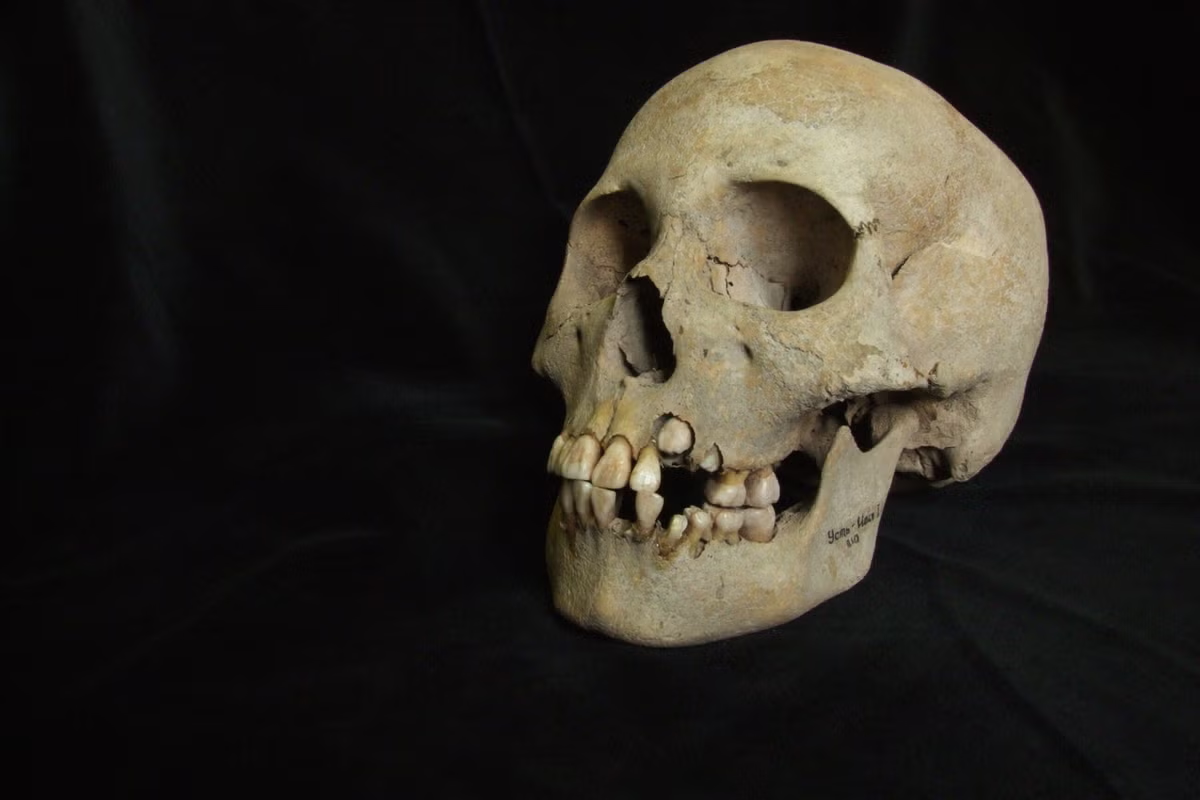
Their latest study, "Bioarchaeological signatures during the Plague of Justinian (541-750 CE) in Jerash, Jordan," appears in the Journal of Archaeological Science. It expands scientific understanding of the outbreak that killed millions across the Byzantine Empire.
"We wanted to move beyond identifying the pathogen and focus on the people it affected, who they were, how they lived and what pandemic death looked like inside a real city,'' Jiang said.
A Mass Grave Reveals the Scale of Death