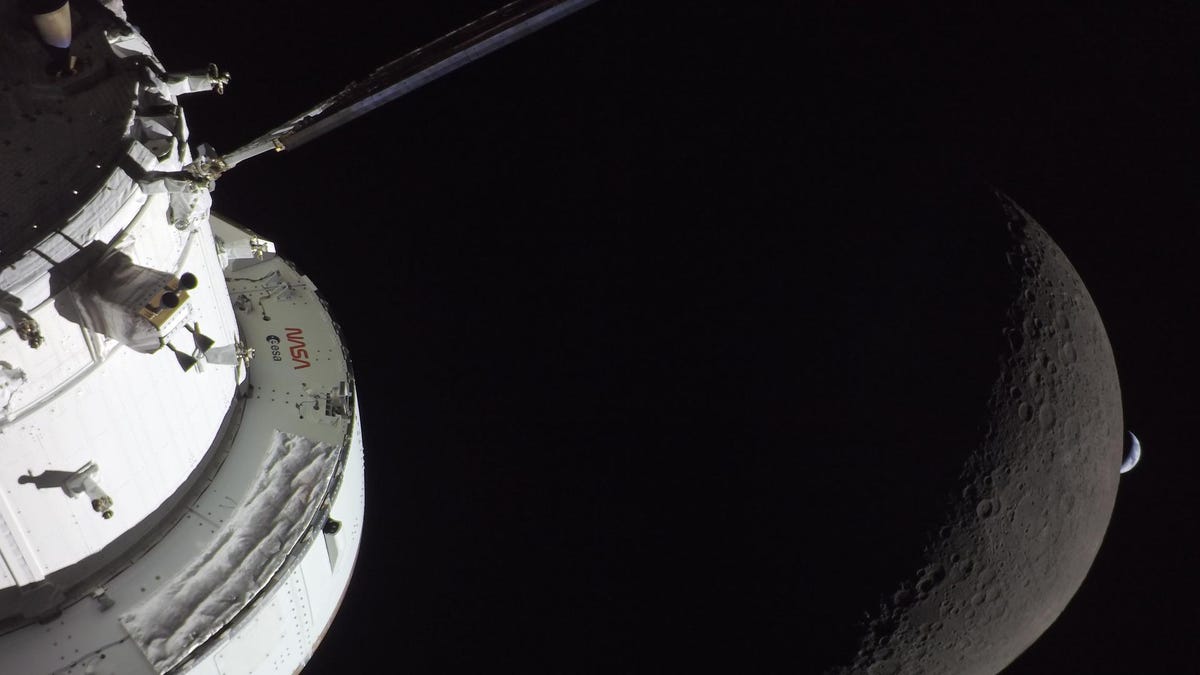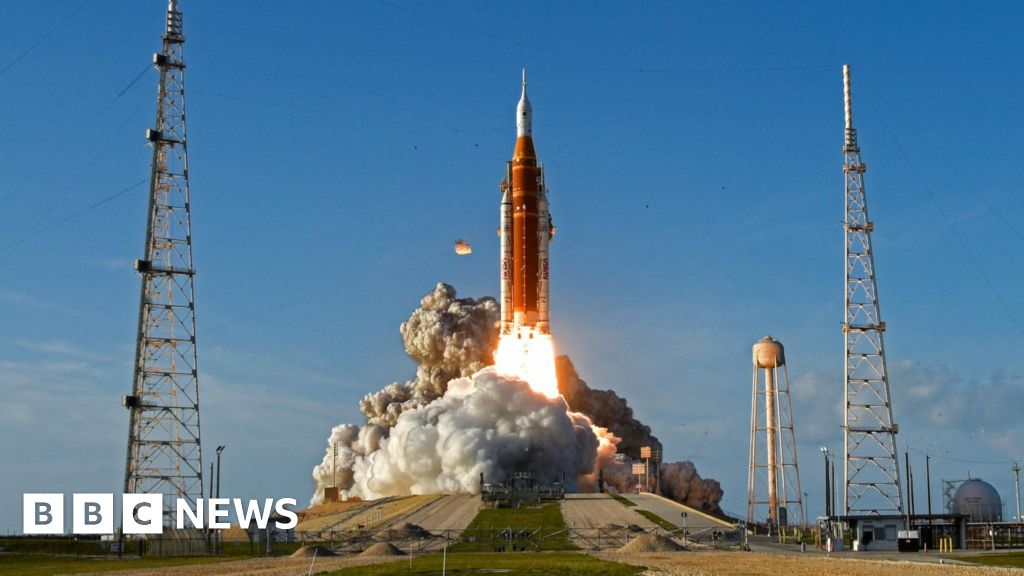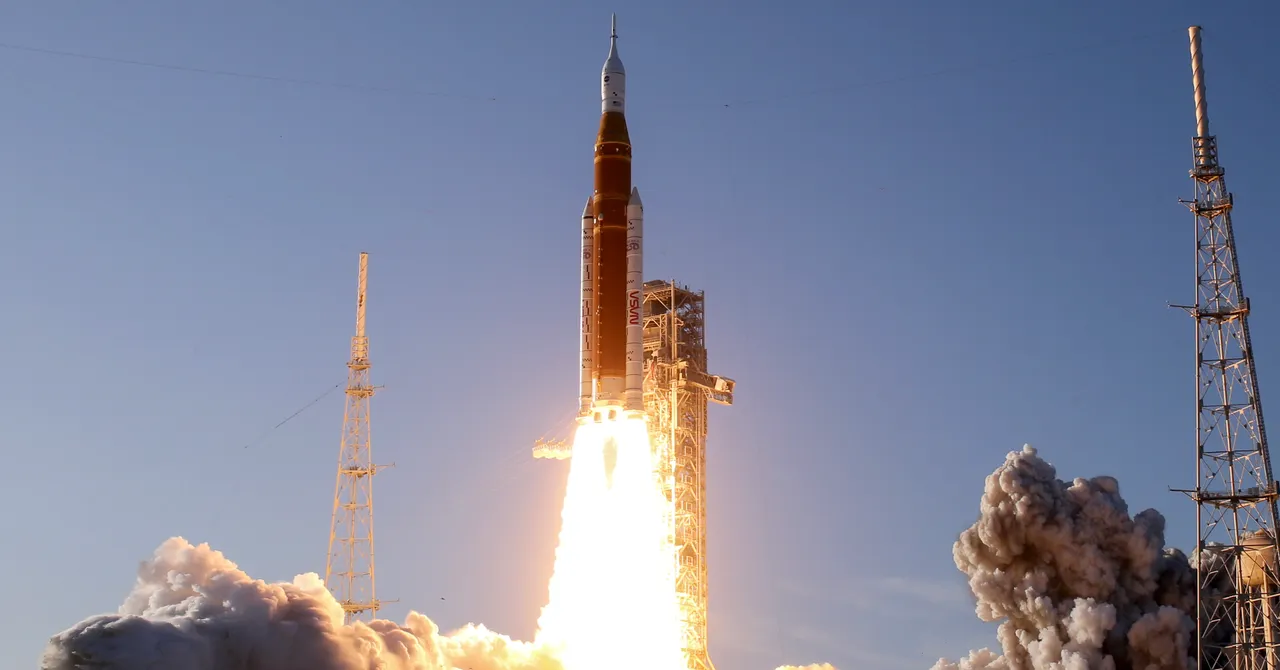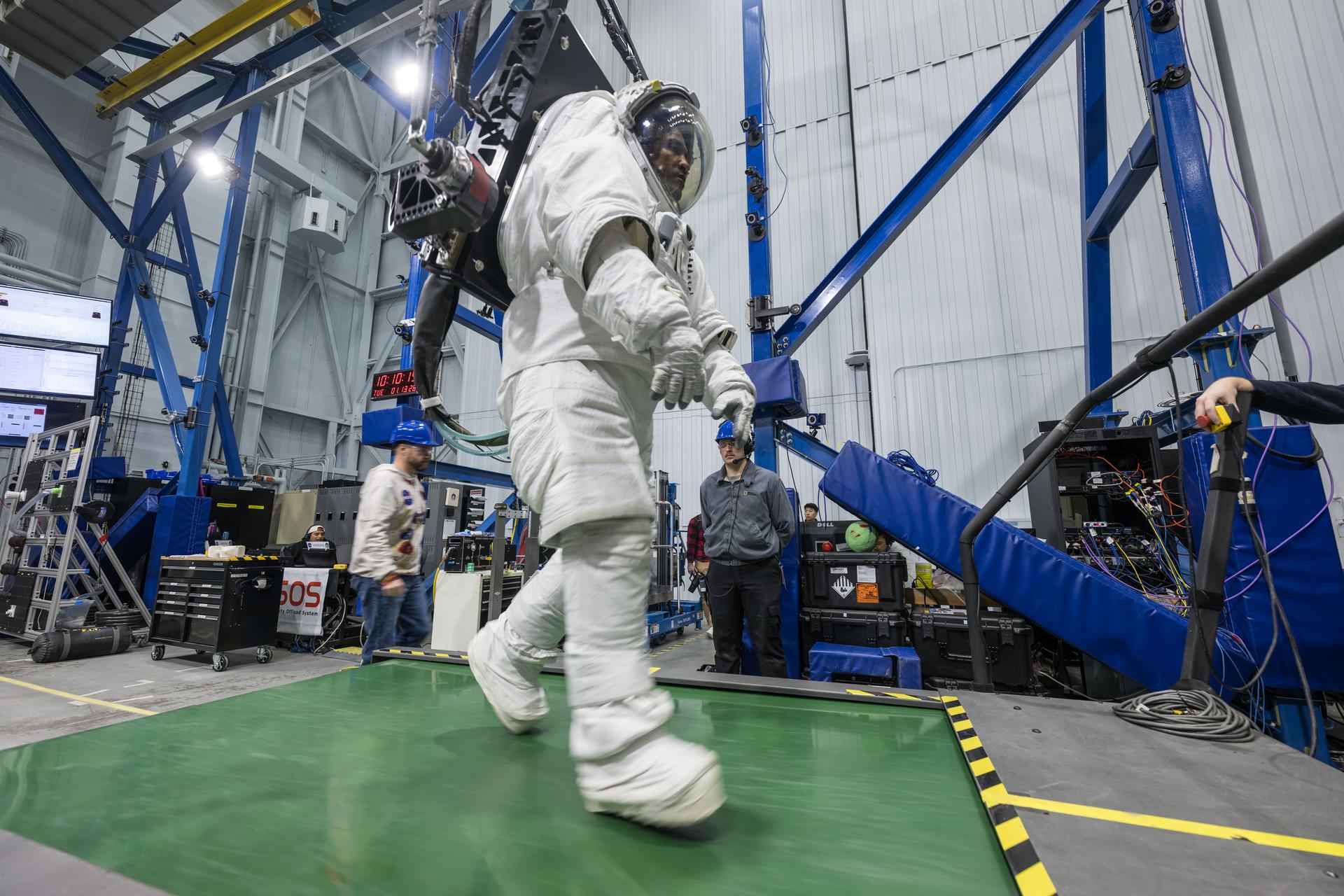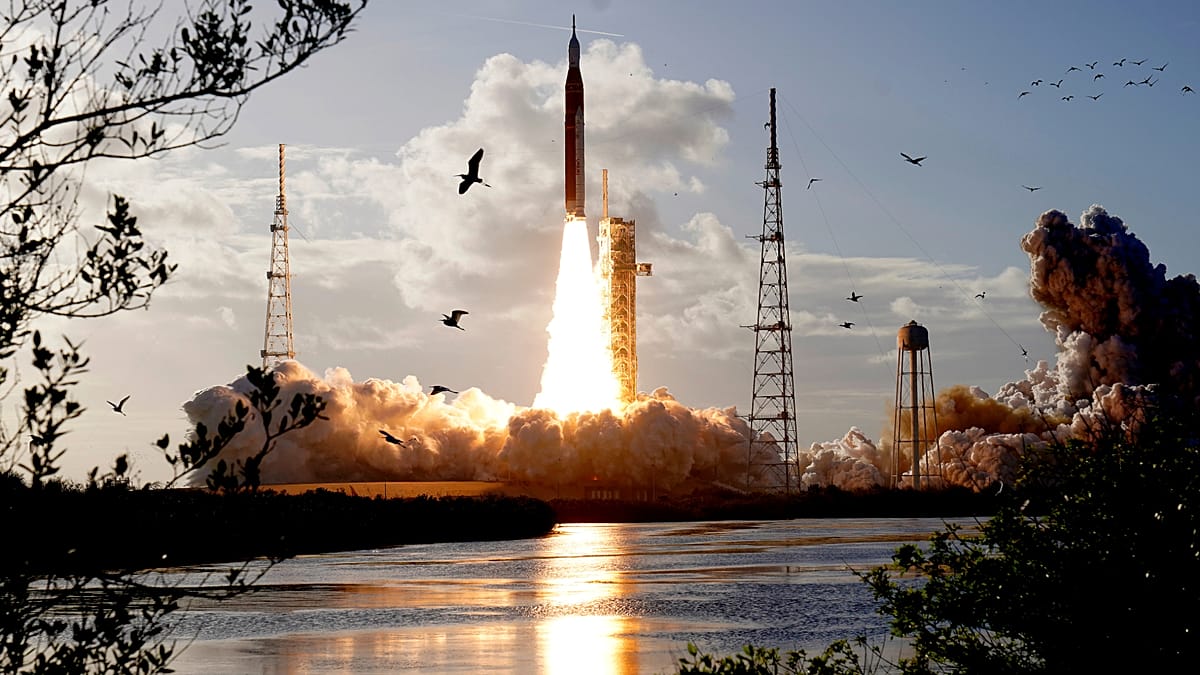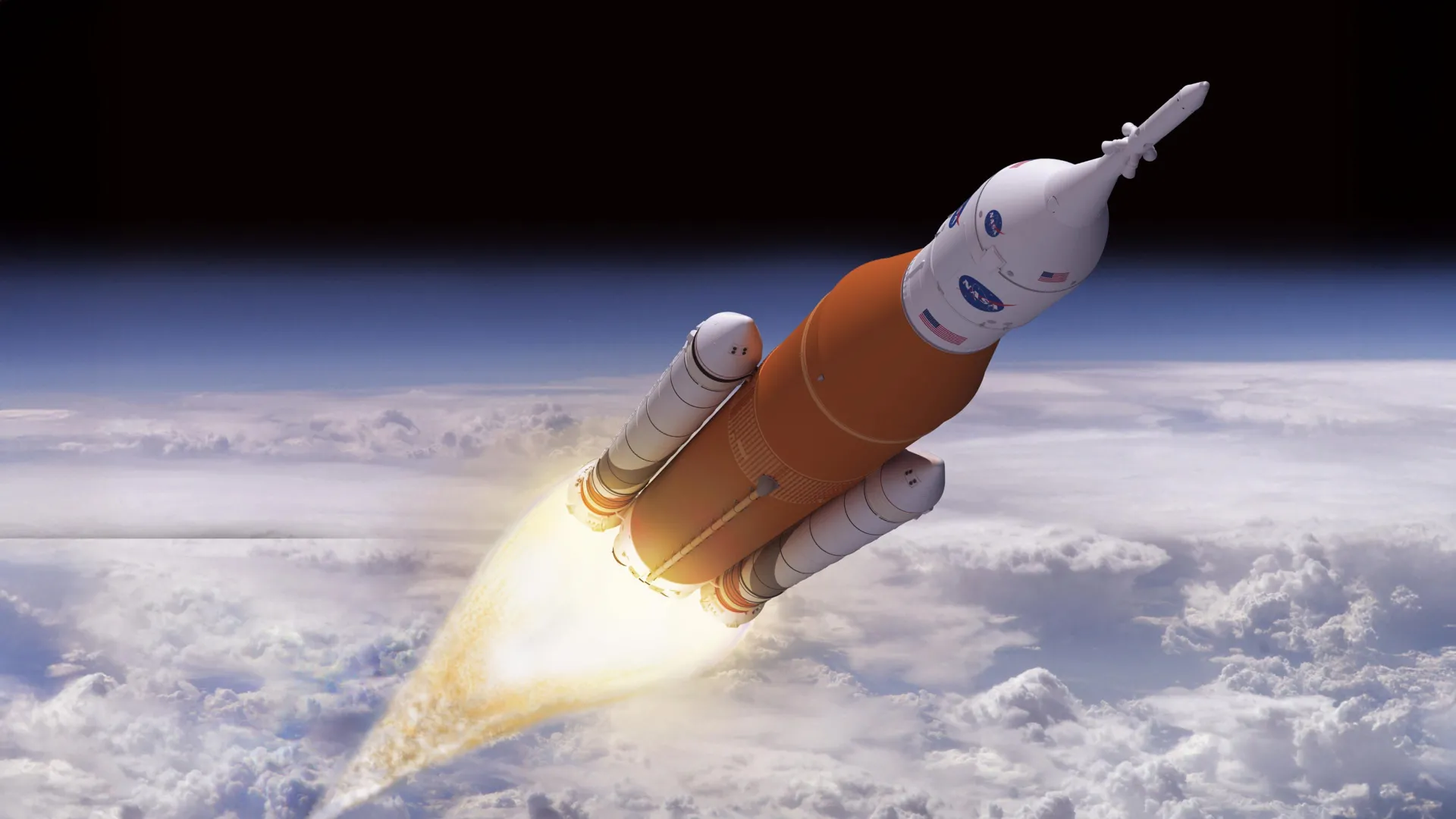
After NASA's Artemis II mission ended with a successful splashdown, engineers began closely reviewing data from across the mission. Their goal is to evaluate how major systems performed, including the Orion spacecraft, the SLS (Space Launch System) rocket, and ground infrastructure at Kennedy Space Center in Florida. Early findings suggest the test flight achieved its objectives and helped open the door to future missions, including Artemis III, long-term lunar exploration, and eventual human missions to Mars.
Orion completed a 694,481-mile journey around the Moon before reentering Earth's atmosphere and landing in the Pacific Ocean off San Diego on April 10. During reentry, the spacecraft traveled at nearly 35 times the speed of sound, relying on its thermal protection system to shield both the crew and vehicle.
Initial inspections indicate the heat shield performed as expected, with no unusual issues observed. Images captured by divers shortly after splashdown, along with follow-up checks aboard the recovery ship, show that the charring seen during Artemis I was significantly reduced in both size and amount. The results also match what engineers predicted based on ground testing in arc jet facilities.