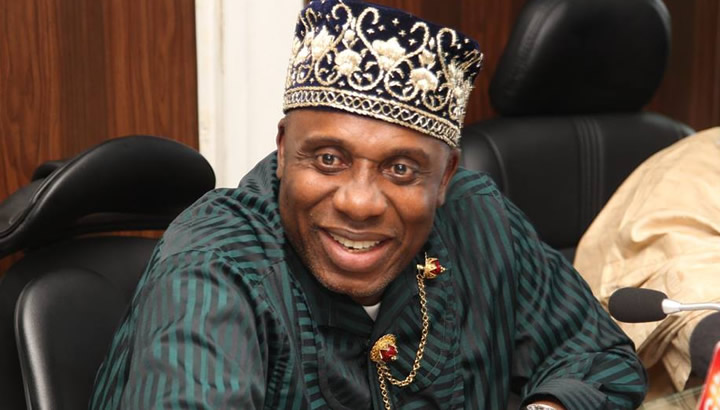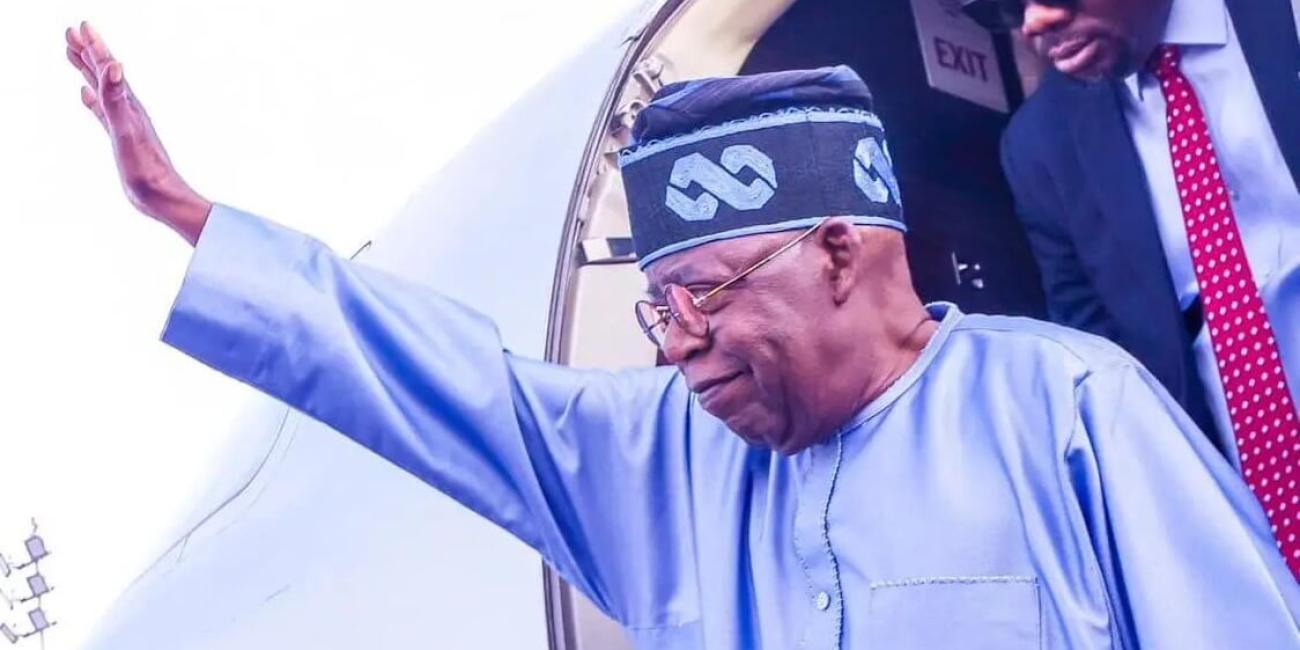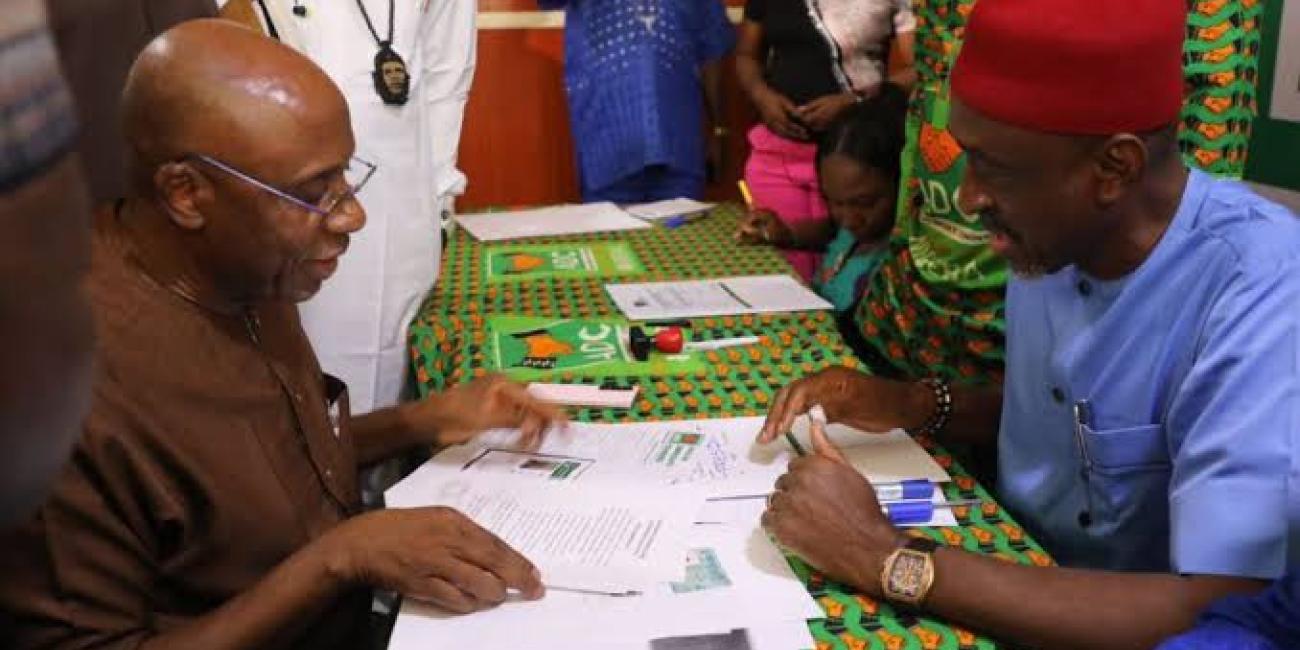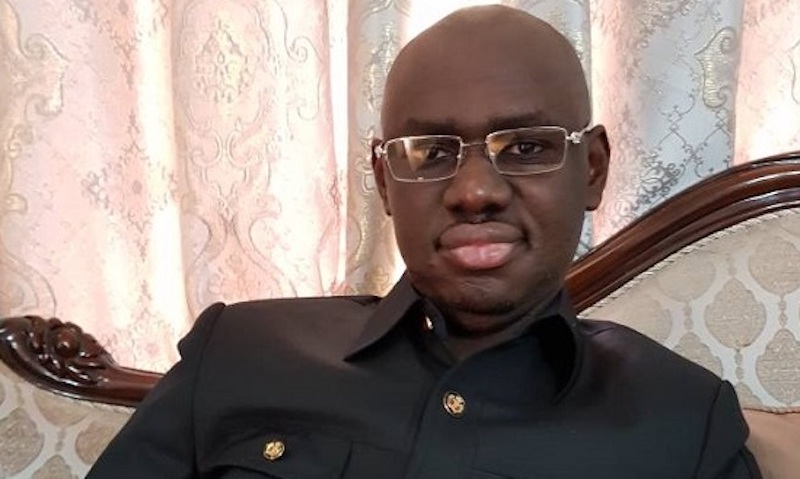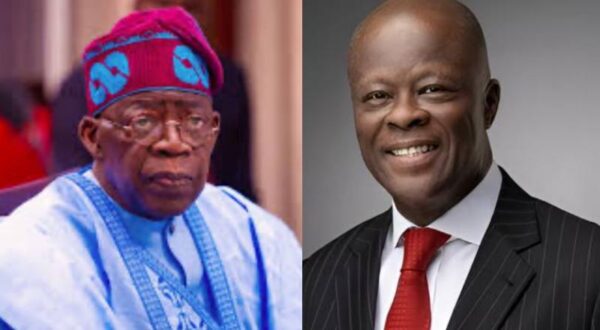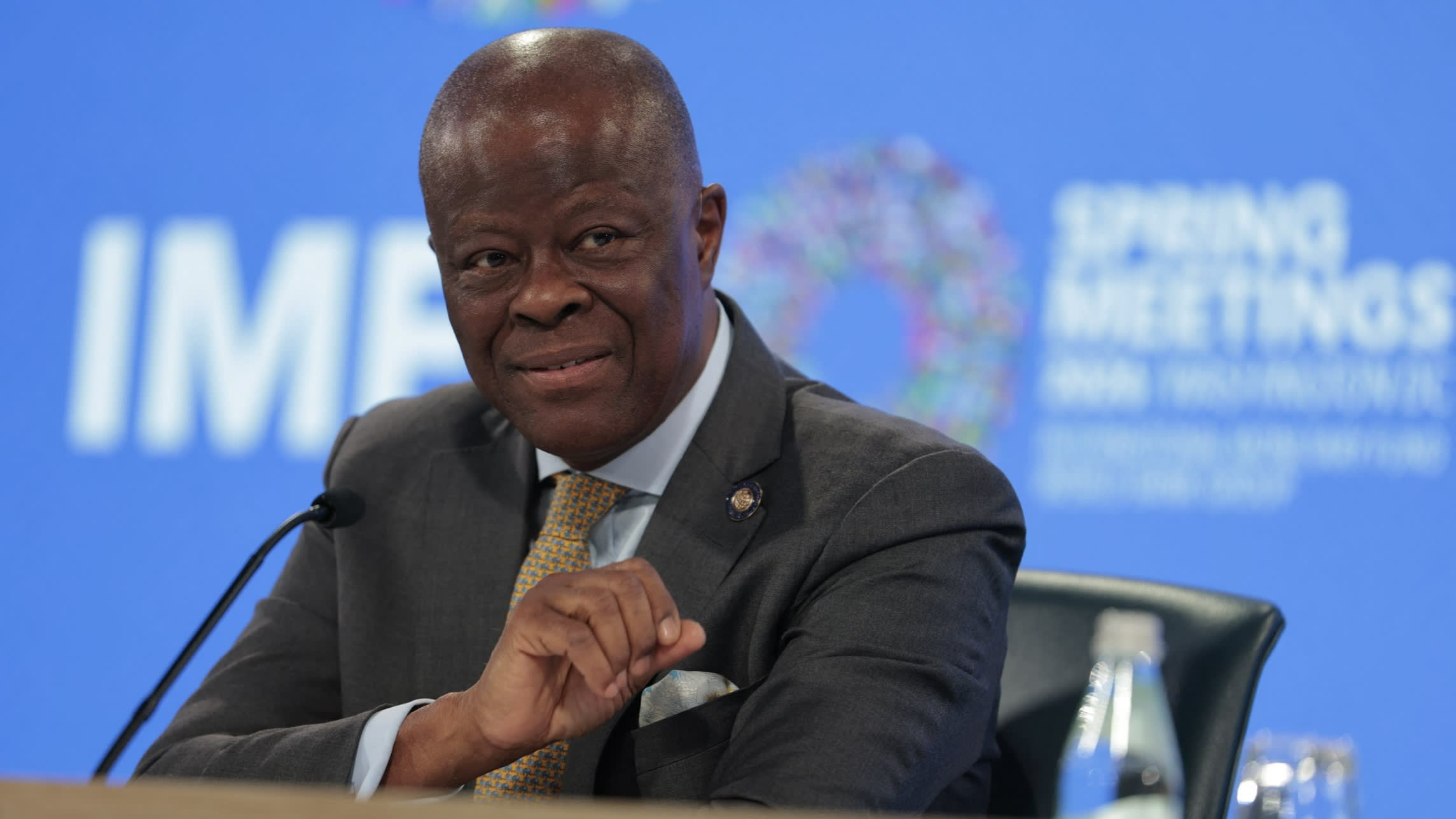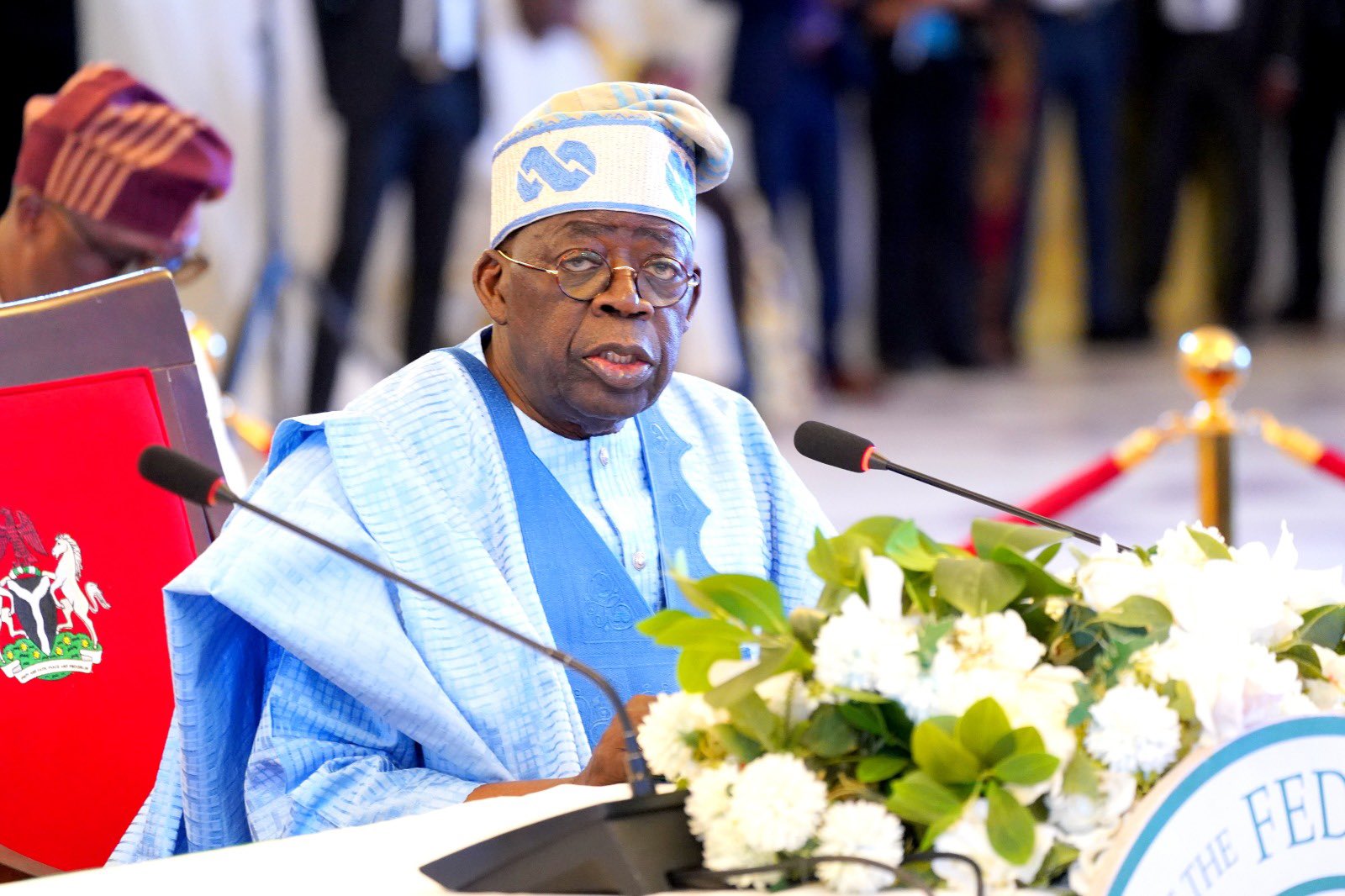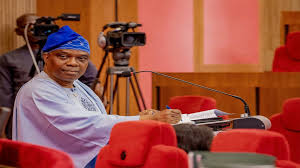
TUNDE OLUSUNLE pays fitting tribute to Audu-Rafiu Enikanolaiye, minister of state for foreign affairs
He was a 40 – year-old, Assistant Director in the foreign service at the outset of the administration of President Olusegun Obasanjo in 1999. Nigeria’s foreign relations space was dominated by a robust mix of career veterans and the political class, which underscored the primacy the new democratic dispensation was going to accord diplomacy. Obasanjo himself was the country’s diplomat-in-chief having built tremendous capacity beginning from his years in office as Nigeria’s military Head of State between February 1976 and September 1979. Whereas the two Foreign Affairs Ministers, Sule Lamido and Dubem Onyia (of blessed memory) were of the political class, Obasanjo intentionally fortified himself with experienced foreign affairs experts to guide the policy slant of his government.
These included the Cambridge-trained Patrick Dele-Cole, PhD, a first class degree honours holder who had previously served as Nigeria’s Ambassador to Argentina and Brazil, and Ambassador Ralph Uwechue, PhD, who opened Nigeria’s embassy in Paris, France, in 1966, as its pioneering envoy. Obasanjo’s State Chief of Protocol, (SCOP), Ambassador Jonathan Oluwole Coker, had been previously decorated with the twin honours of Commander of the National Order of Cote d’Ivoire, and Commander of the Legion of Honour of France, in 1999 to underscore his foreign service exertions. His Deputy, Ambassador Wisdom Baiye, was a renowned linguistic diplomat, translator and interpreter. Besides their primary responsibilities in the State House, Obasanjo productively engaged them as Special Envoys on Ivorien and Burundi peace processes, respectively. Such was the extent to which Obasanjo tapped from the experience of core diplomats in repositioning Nigeria in the global foreign affairs orbit.