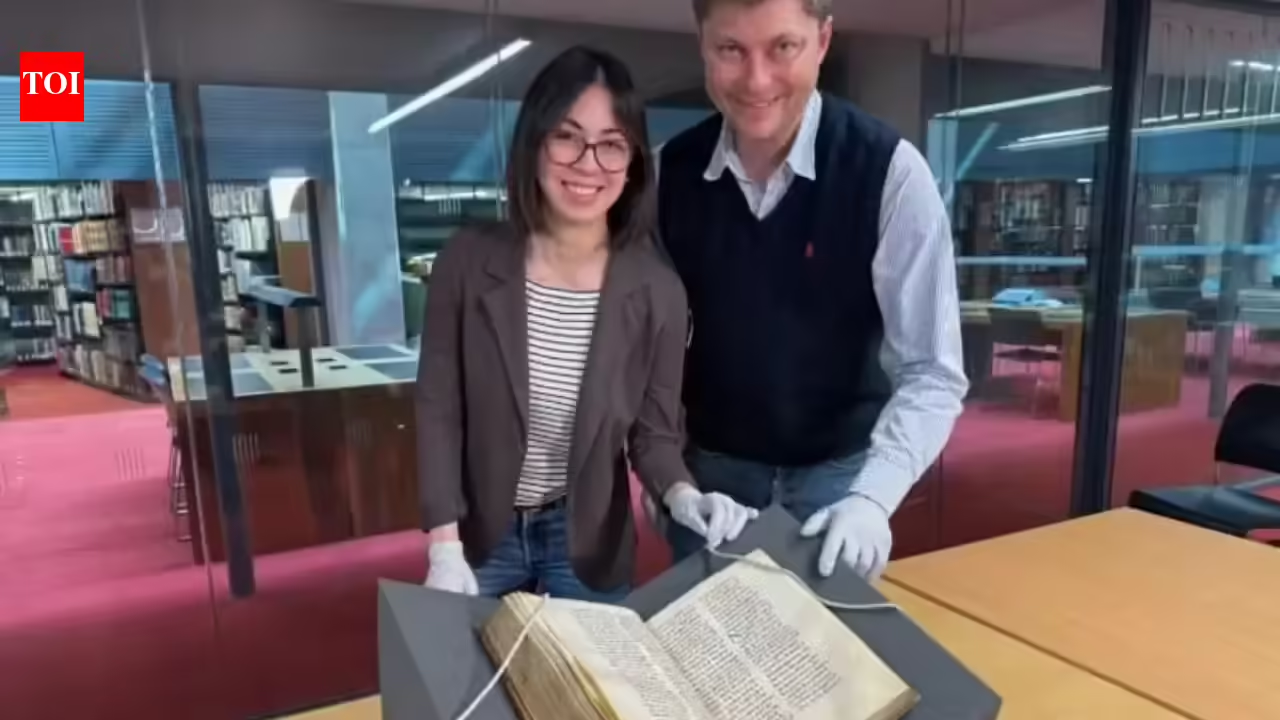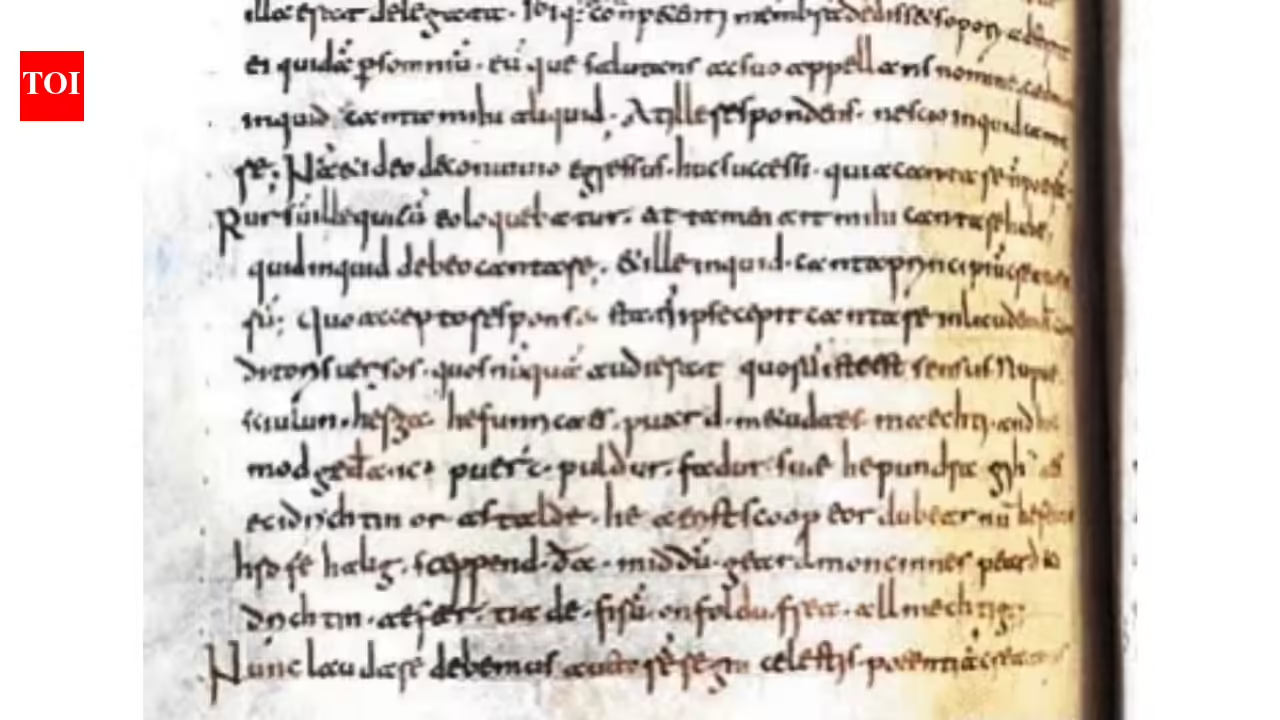
In our research in the British Library's medieval collections, we have identified a previously unnoticed document that provides fresh insights into the survivors of the outbreak of plague known as the Black Death (1346–53).The document – a scrap of parchment inserted into an account of the Ramsey Abbey manor of Warboys in Huntingdonshire – records how much time peasants were absent from work when struck down by the plague.It also reveals the names of those who survived and how long their employers believed recovery could take.In our recent paper with Barney Sloane, we shed new light on a group of 22 tenants who probably contracted plague, languished on their sickbeds for several weeks, and then recovered.As one of the deadliest pandemics in recorded history, it has been estimated that between a third and two-thirds of the population of medieval Europe died during the Black Death.The Triumph of Death by Pieter Bruegel the Elder (1562) shows the social upheaval that followed the plague. (Museo del Prado/Public Domain)Given the sheer scale, many historians have focused on discovering details about those who died. Yet this has left the histories of those who contracted plague and recovered largely untold.Despite the deadliness of the disease, it was possible to recover from plague, and medieval chroniclers mention the possibility – however unlikely – of survival. For example, Geoffrey le Baker, a clerk of Swinbrook in Oxfordshire, wrote in the following decade that he thought recovery depended on people's symptoms:
Lost Parchment Reveals People Who Survived The Black Death
In our research in the British Library's medieval collections, we have identified a previously unnoticed document that provides fresh insights into the survivors of the outbreak of plague known as the Black Death (1346–53).
1,007 words~5 min read