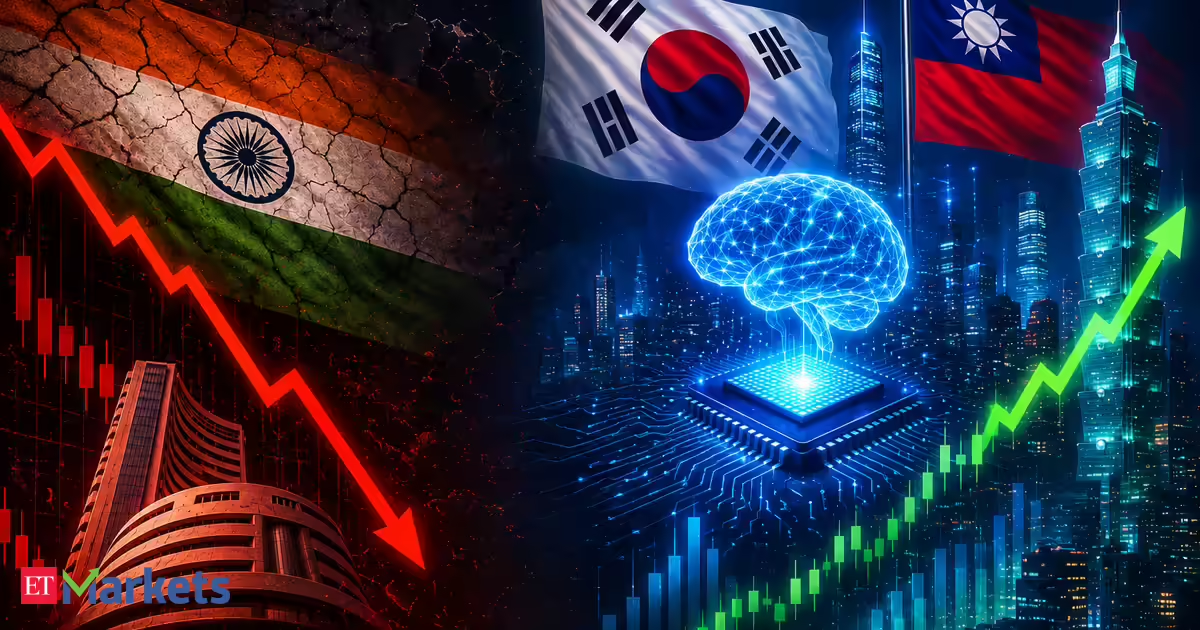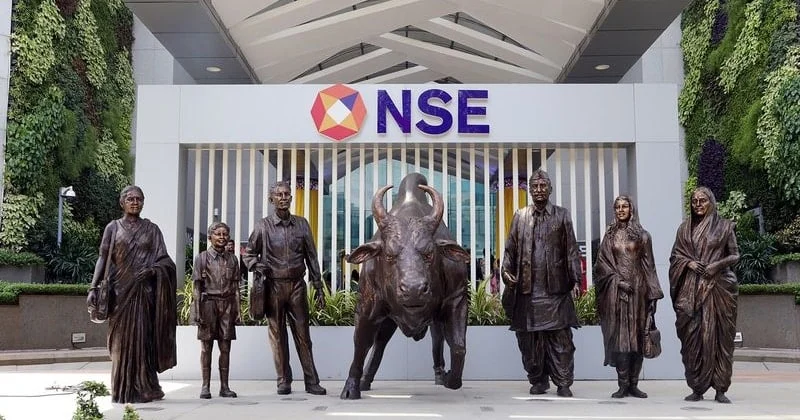
India spent years climbing the global equity rankings, reaching the fourth-largest stock market in the world with a market capitalization of roughly $4.3 trillion in early 2024. Now that position is under threat, and the culprit is one India knows intimately but from the wrong side: artificial intelligence.
Taiwan and South Korea, home to the companies actually building the silicon that makes AI possible, have seen their markets surge on the back of insatiable demand for chips. India, whose tech sector is built on services rather than semiconductors, is finding that being good at deploying AI talent doesn’t translate into stock market momentum the same way manufacturing the hardware does.
The hardware advantage India doesn’t have
Taiwan has TSMC, the company that fabricates the vast majority of the world’s most advanced chips. South Korea has Samsung Electronics and SK Hynix, which dominate the high-bandwidth memory market that AI data centers devour in bulk. Foreign flows have tilted heavily toward Taipei and Seoul as fund managers chase direct exposure to AI hardware revenue.
India, by contrast, built its tech reputation on IT services. Companies like Infosys, TCS, and Wipro made fortunes helping Western corporations manage their back-office operations, migrate to the cloud, and maintain legacy systems. The Nifty IT index captured this anxiety in stark terms, suffering a 21% decline in February 2024. That was the largest drop since 2008, driven by fears that AI could automate significant portions of the traditional IT outsourcing model that Indian tech giants depend on.