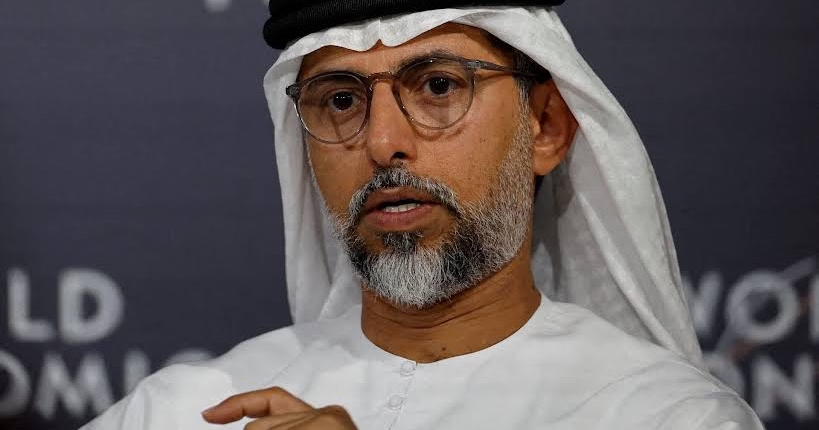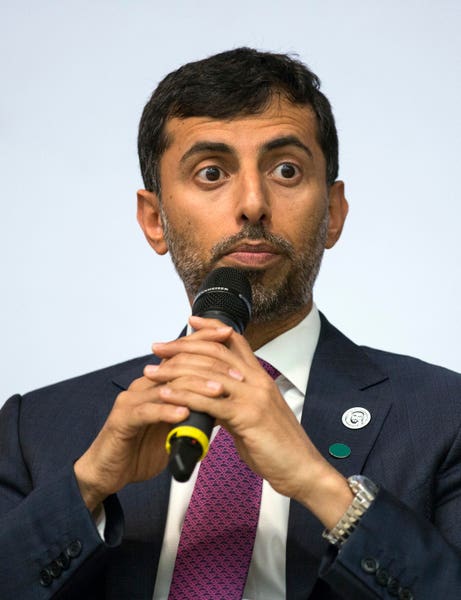
The United Arab Emirates says it did not take politics into consideration when it decided to leave OPEC and OPEC+ at the start of May.Suhail Mohamed Al Mazrouei, who serves the UAE as its energy minister, on Saturday insisted the country’s decision was “rooted in its long-term economic vision, evolving energy capabilities, and enduring commitment to global energy security.”The Gulf state announced last month that it was ending its 59-year membership with OPEC, the world’s largest oil producer group, amid the war with Iran. Oil prices have surged dramatically because the Strait of Hormuz has been effectively closed to commercial shipping, cutting off the flow of oil for international consumers.
There was speculation that the UAE withdrew from OPEC to distance itself from Saudi Arabia. The two nations have tense relations due to economic and geopolitical rivalries. Al Mazrouei disputed the notion that the countries’ rivalry had anything to do with the UAE’s decision to leave OPEC.
“This decision follows a comprehensive assessment of national production policy and future capacity and is guided exclusively by the UAE’s national interest, its responsibility as a reliable energy supplier, and its steadfast commitment to market stability,” he said on social media.