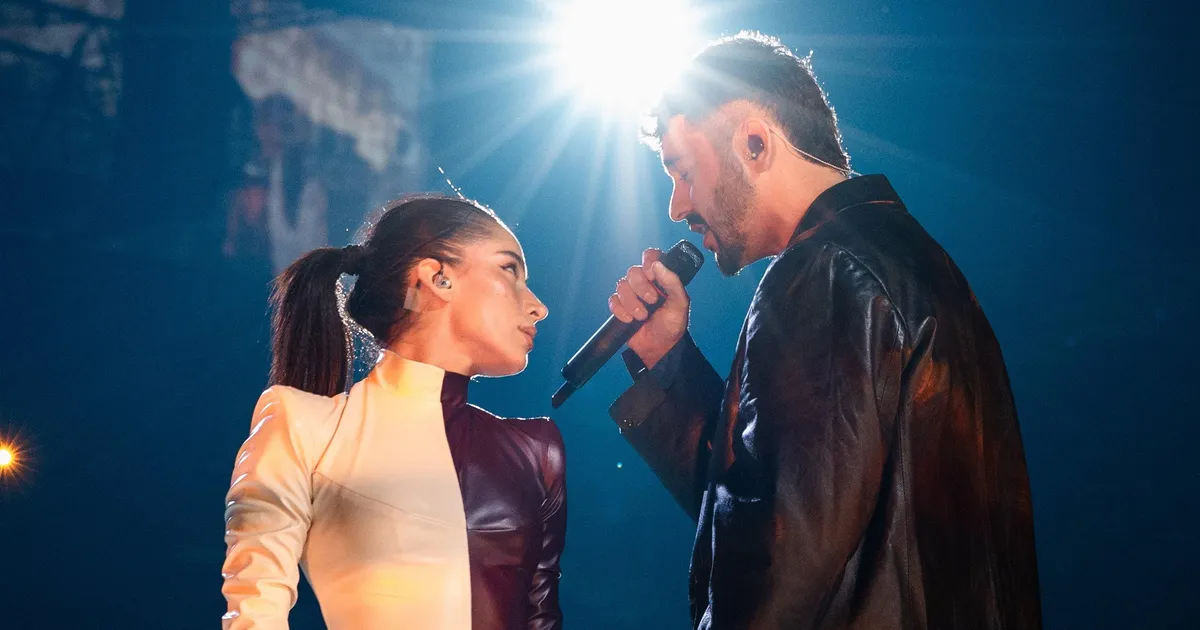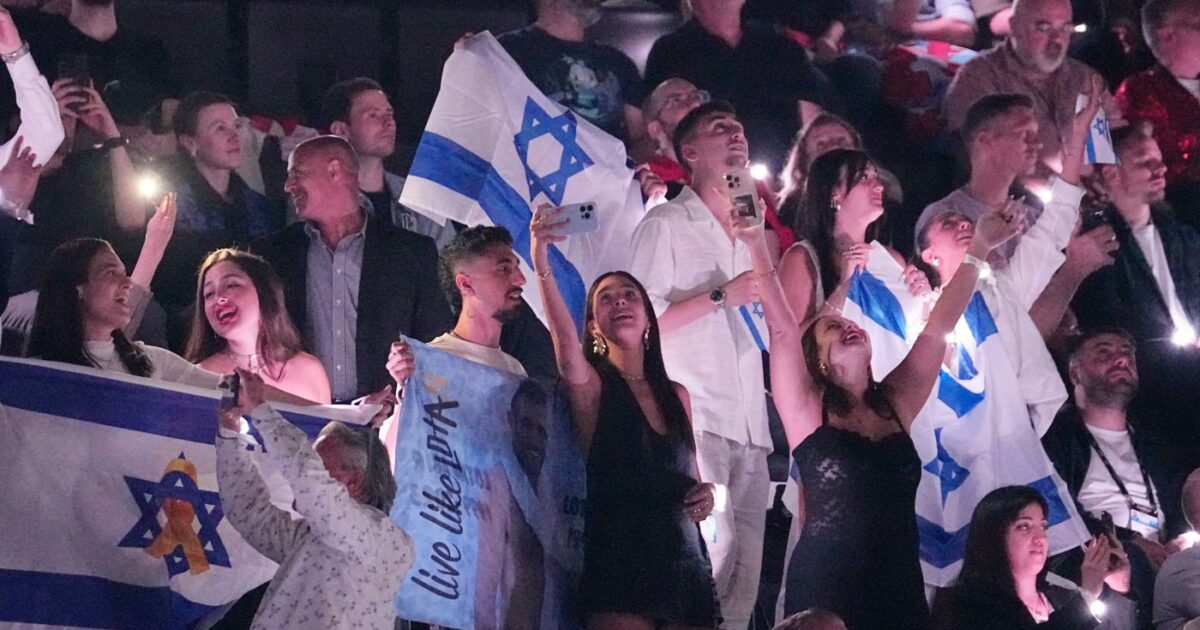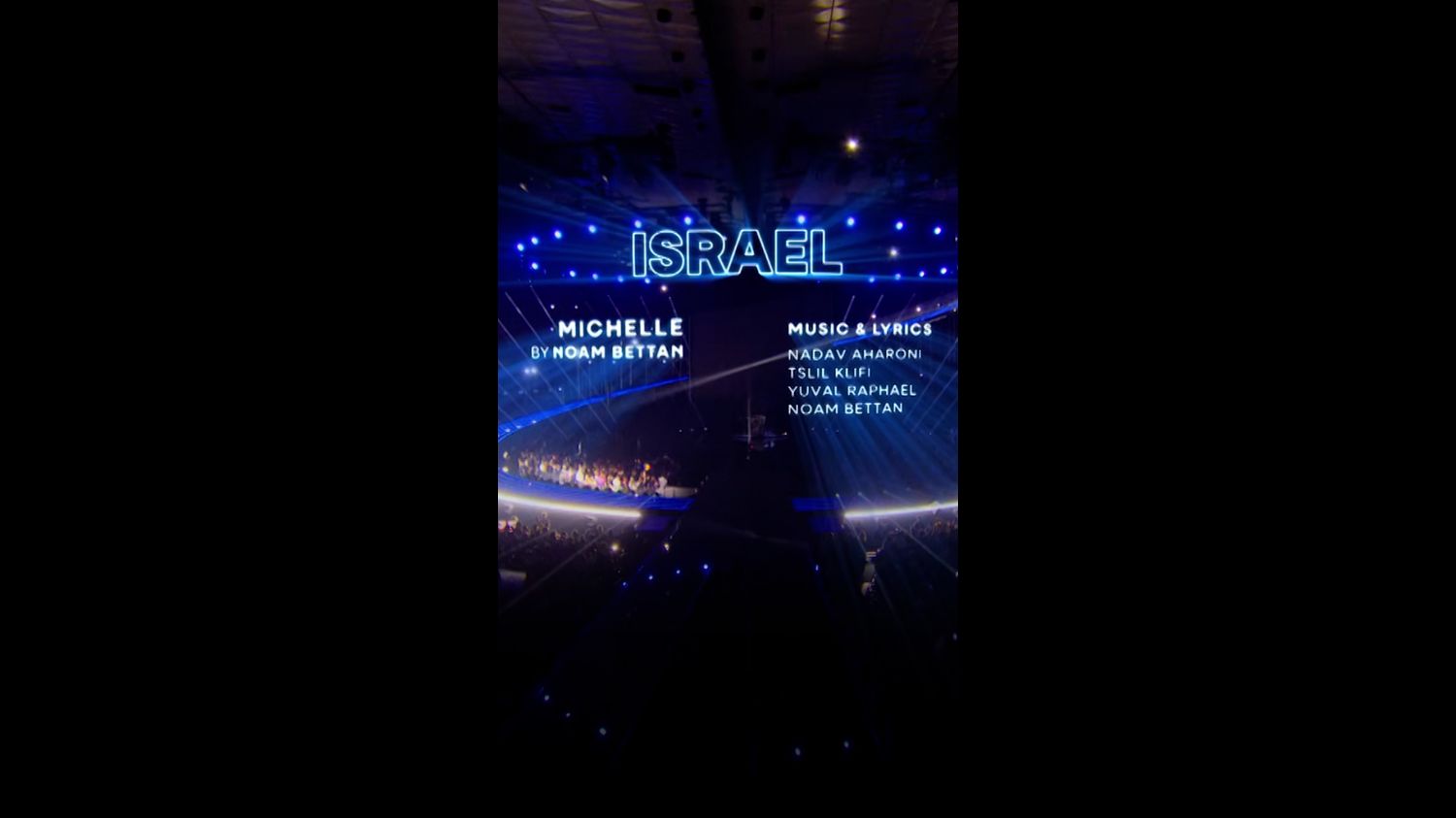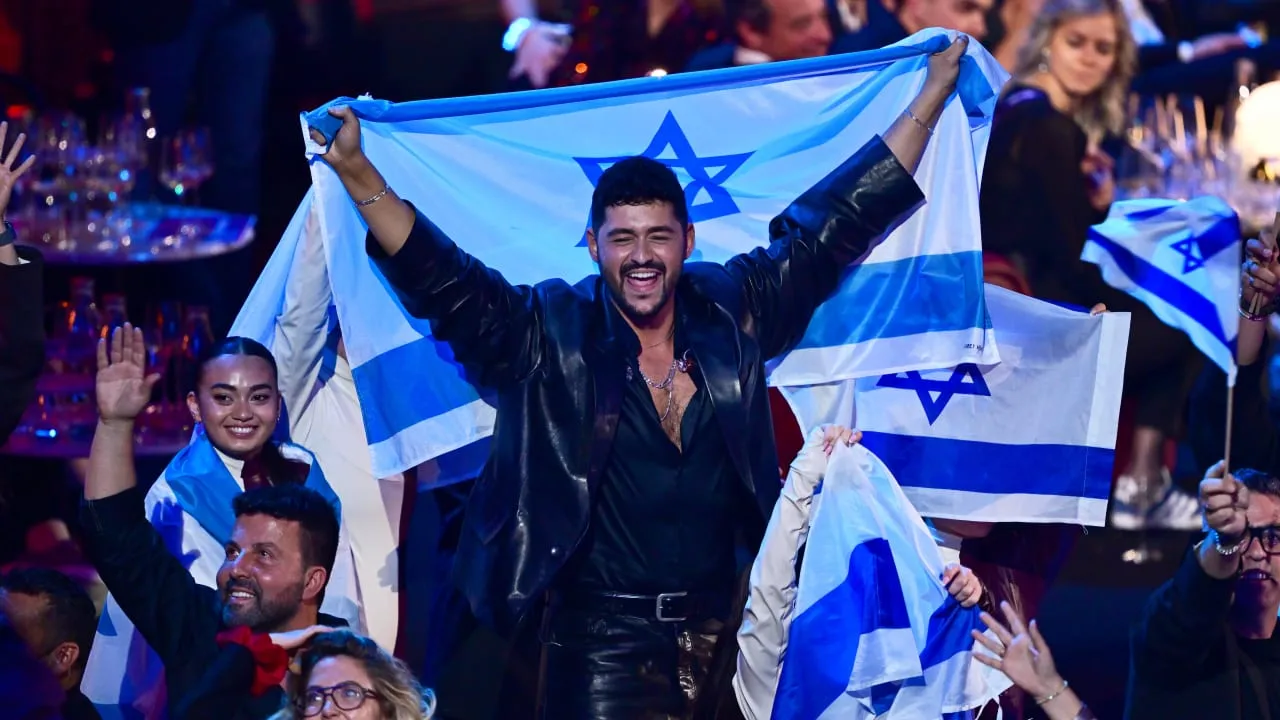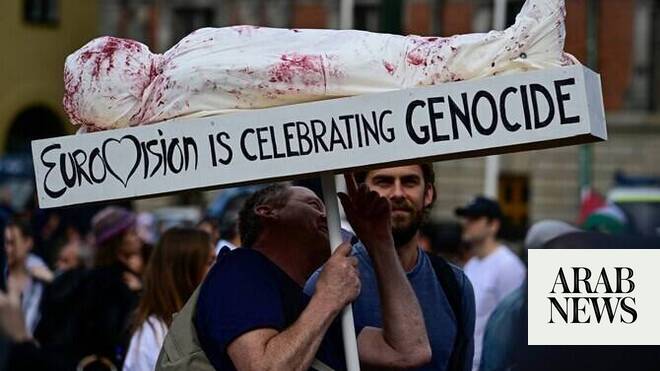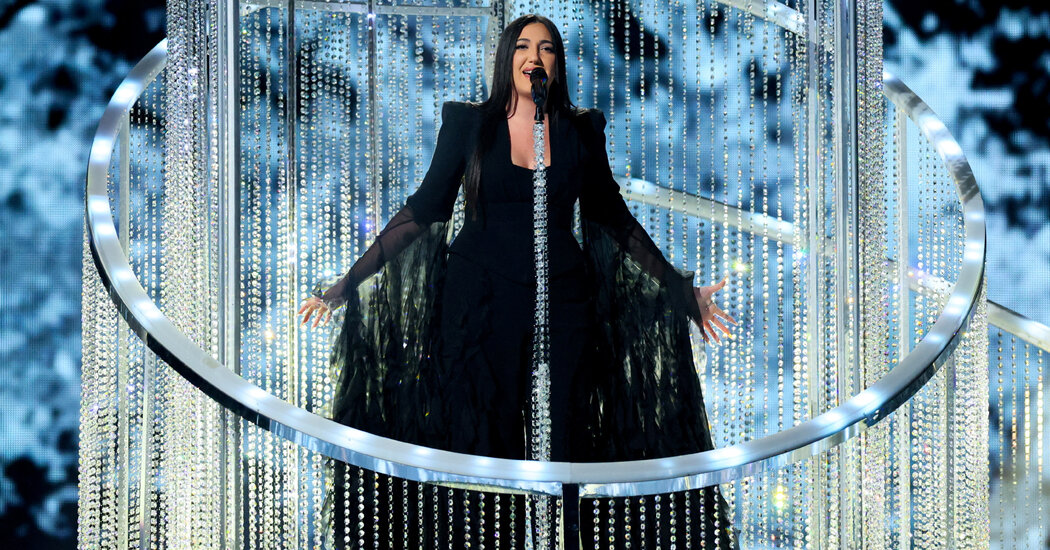
You have a preview view of this article while we are checking your access. When we have confirmed access, the full article content will load.Times investigationIsrael’s efforts to influence Eurovision’s vote were broader and started years earlier than previously known.Yuval Raphael, Israel’s representative at the 2025 Eurovision Song Contest in Basel, Switzerland, performing “New Day Will Rise” during the Grand Final last May.Credit...Denis Balibouse/ReutersTimes investigationHow Israel Turned Eurovision’s Stage Into a Soft Power ToolIsrael’s efforts to influence Eurovision’s vote were broader and started years earlier than previously known.Yuval Raphael, Israel’s representative at the 2025 Eurovision Song Contest in Basel, Switzerland, performing “New Day Will Rise” during the Grand Final last May.Credit...Denis Balibouse/ReutersListen · 18:19 min By Mara Hvistendahl and Alex MarshallMara Hvistendahl and Alex Marshall traveled around Europe, interviewed more than 50 people and reviewed internal Eurovision documents.May 11, 2026Last fall and winter, senior Israeli diplomats urgently contacted officials and television broadcasters across Europe to address a delicate, if unexpected topic: the high camp Eurovision Song Contest.Broadcasters wanted to ban Israel from Eurovision and threatened to boycott the contest over the war in Gaza. Some even accused the Israeli government of unfairly influencing the results through a mass voting campaign.Israel arguably had bigger diplomatic concerns than a pop music competition, even one that reaches 166 million viewers around the world. A United Nations commission had recently accused Israel of committing genocide, which it vigorously denied. And world leaders were recognizing Palestinian statehood, which it had long opposed.“I am a little bit surprised why this is a matter that the embassy is looking into,” Stefan Eiriksson, the head of Iceland’s national broadcaster, wrote to an Israeli diplomat who wanted to discuss Eurovision last December.This previously undisclosed diplomatic push to keep Israel in Eurovision was just one aspect of a drama that unfolded over the past year around the world’s most watched cultural event. To the Israeli government, Eurovision became more than just a celebration of glittery outfits, gay pride and pyrotechnic staging. It became a chance, through strong showings by its singers, to burnish the country’s flagging reputation and rally international support.This year’s competition starts on Tuesday, following the biggest crisis in Eurovision’s 70-year history. Iceland and four other countries are boycotting to protest Israel’s participation. The nonprofit European Broadcasting Union, which runs the contest, faces financial challenges.
How Israel Turned Eurovision’s Stage Into a Soft Power Tool
Israel’s efforts to influence Eurovision’s vote were broader and started years earlier than previously known.
449 words~2 min read