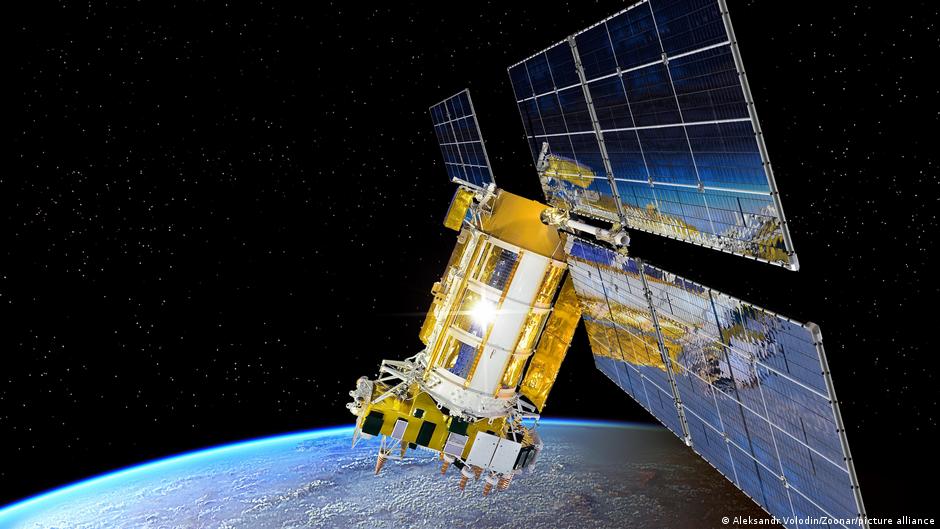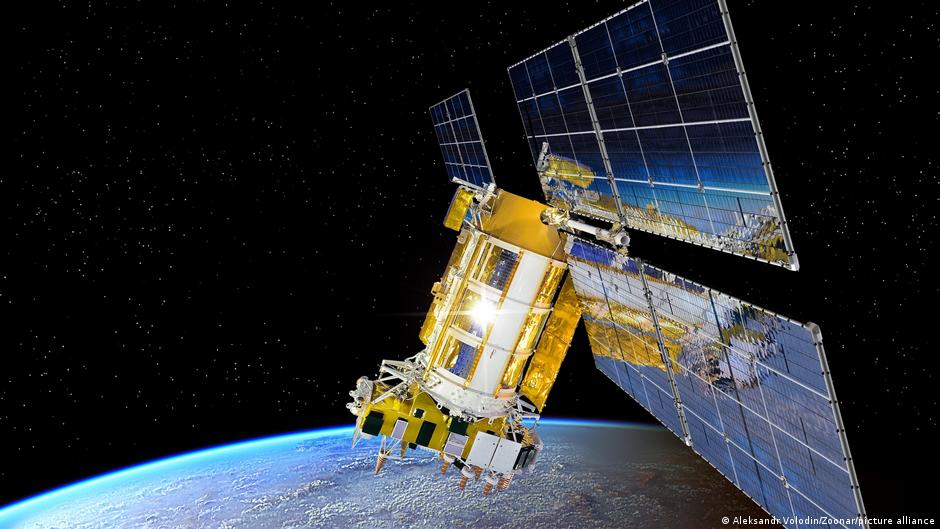
The space industry is a multibillion-dollar business. According to a study by the German consulting firm Roland Berger and the Federation of German Industries (BDI), the market is worth around $600 billion (€516 billion) and growing. By 2040, it is predicted to be worth $2.32 trillion. That is about four times Germany's federal budget in 2025.
And many want a slice of the new private spaceflight pie. Currently, some $150 billion is flowing into the "upstream market," which "comprises production of the infrastructure required on Earth and in space, from launch pads, ground segments, and satellites," according to Roland Berger. A much larger share — approximately $450 billion — has been invested into downstream applications, which "consists of space-based solutions — positioning, navigation & timing, Earth observation, and satellite communications."
"New Space is essentially a data business," said Matthias Wachter, the managing director of the BDI's NewSpace Initiative and co-director of its Innovation, Security and Technology division.Space travel goes from state to private
Space travel has changed dramatically since its early days. During the Cold War, it was primarily a race between the United States and the Soviet Union, with the impetus and funding coming from the state.