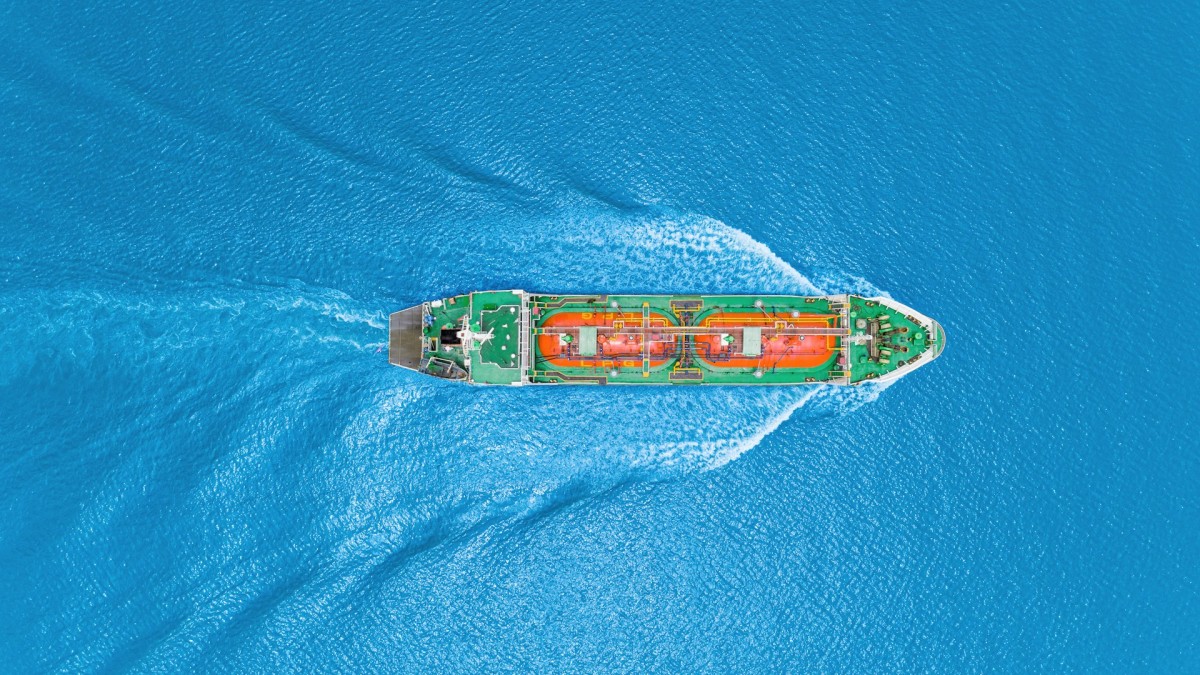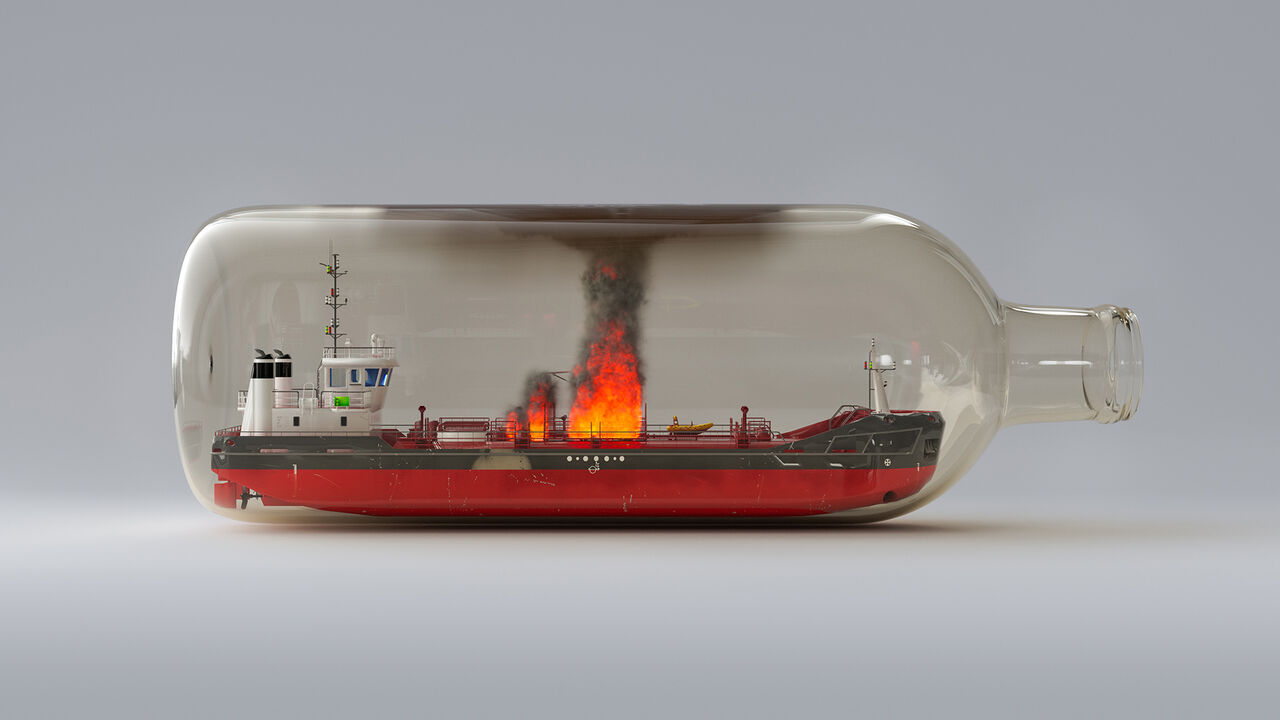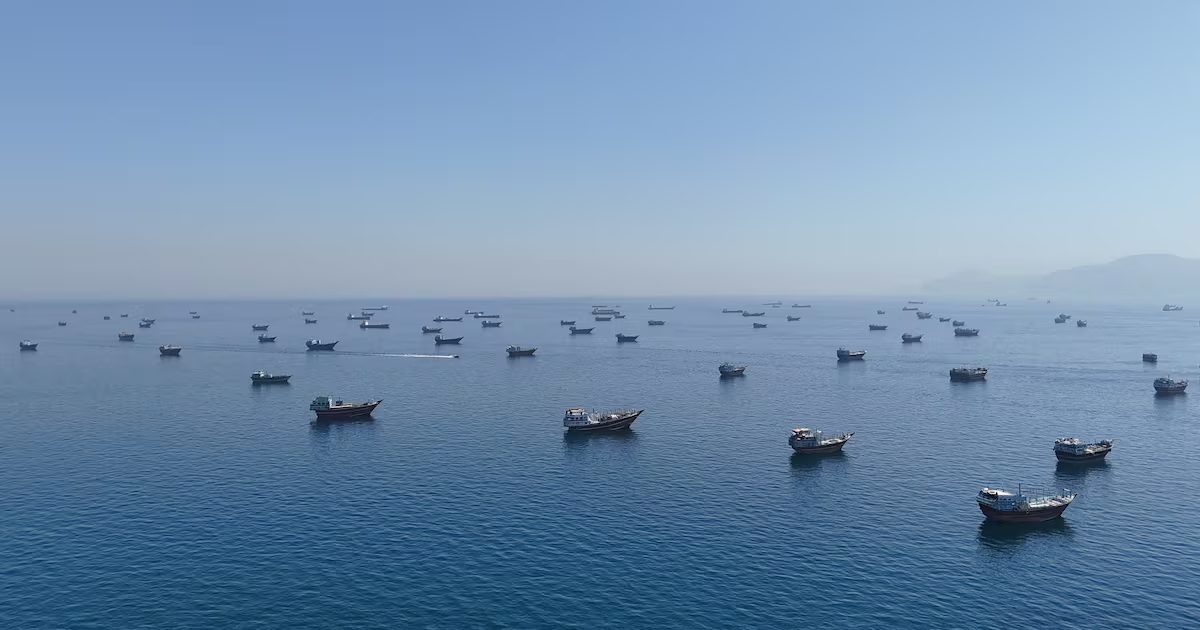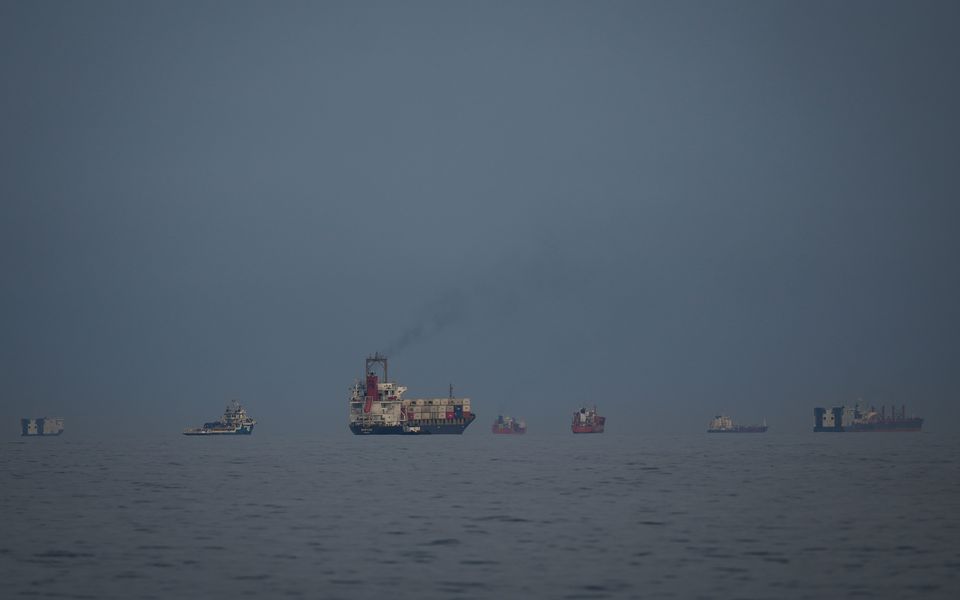
The Strait of Hormuz has just told us something we were not ready to hear. Not about Iran, not about shipping lanes, not even about oil prices, though all of that is true. What Hormuz exposed is the scale of our energy appetite, and how much larger that appetite is about to become. It is a story about our demand that just got a great deal larger than anyone planned for.
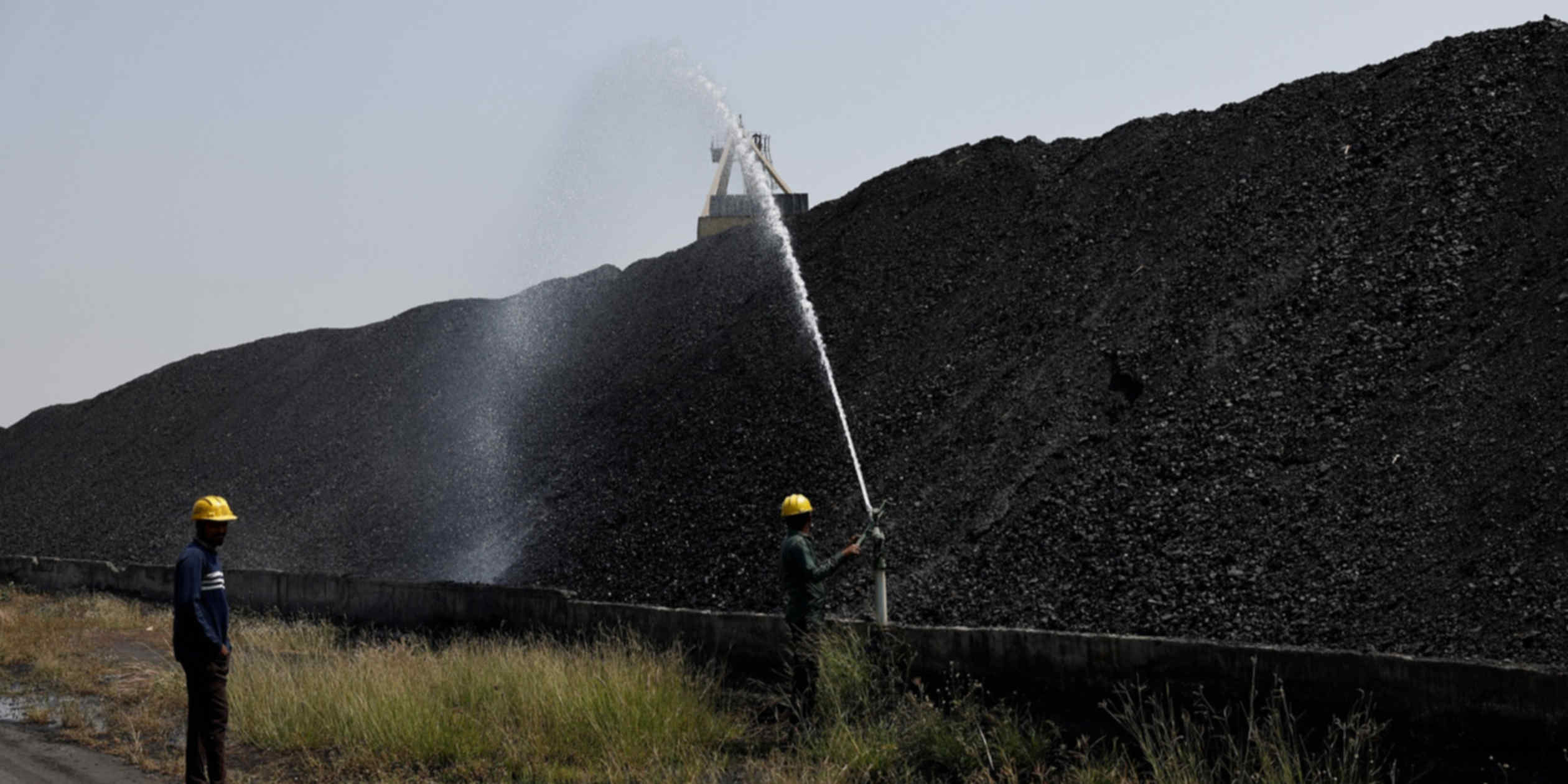
Energy has rewritten civilization before. Coal powered the industrial revolution. Oil built the world most of us were born into: the supply chains, the suburbs, the geopolitical arrangements we now call normal. Each transformation unlocked new capabilities and led to consequences that were only understood after the damage proved structural. We have now entered a fourth industrial revolution, and it is an energy omnivore with no natural ceiling. It builds more servers, trains larger models, and demands more power in a loop that shows no sign of closing.
The International Energy Agency projects that by 2030, global data center electricity consumption will more than double, reaching the equivalent of Japan’s entire annual electricity use today. That number was not in any serious climate projection five years ago. Europeans have long absorbed high energy prices, and the current crisis has increased that strain. Americans have now felt it too, at the pump, and that matters.