Listen
/
1.0x
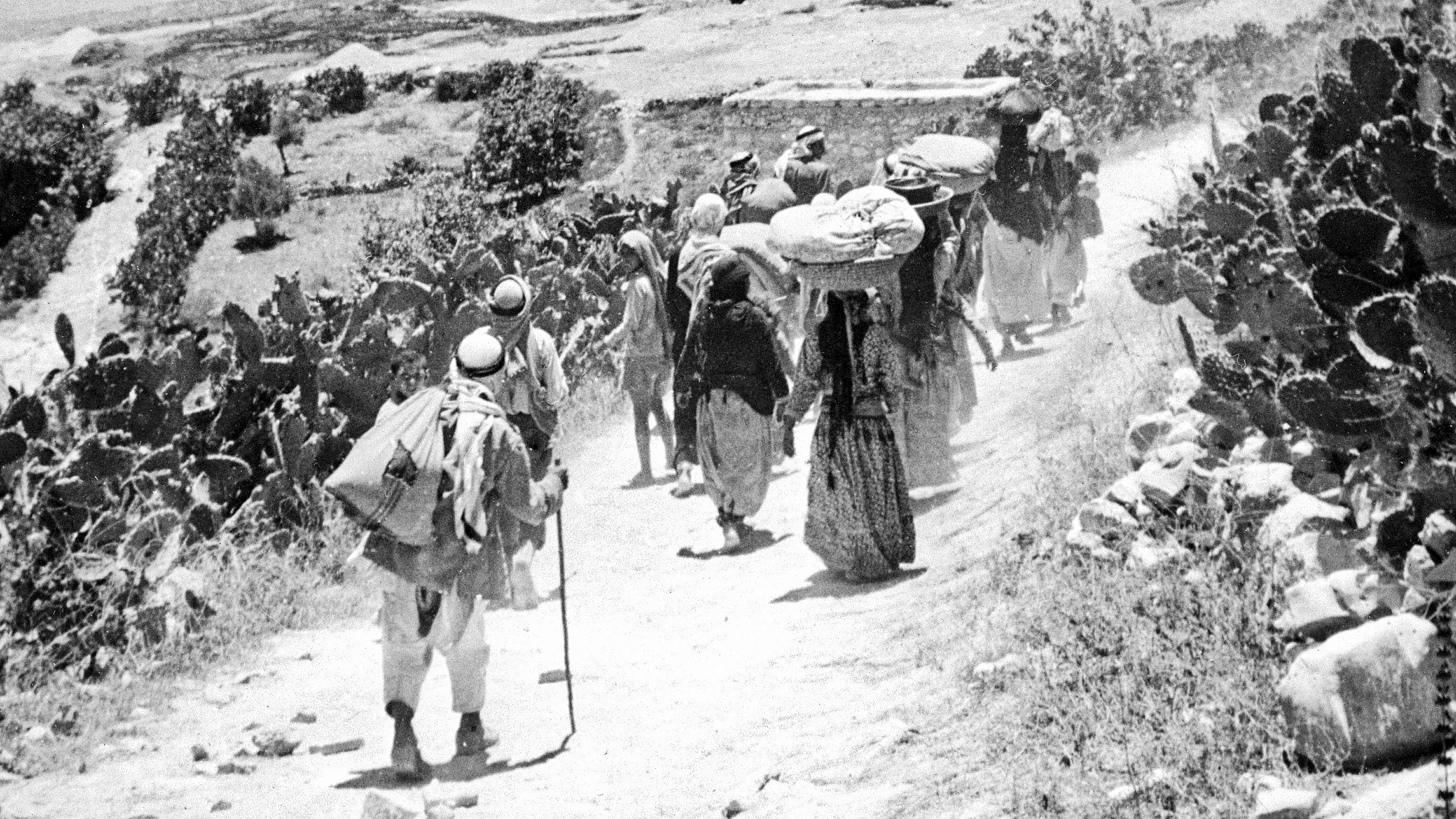
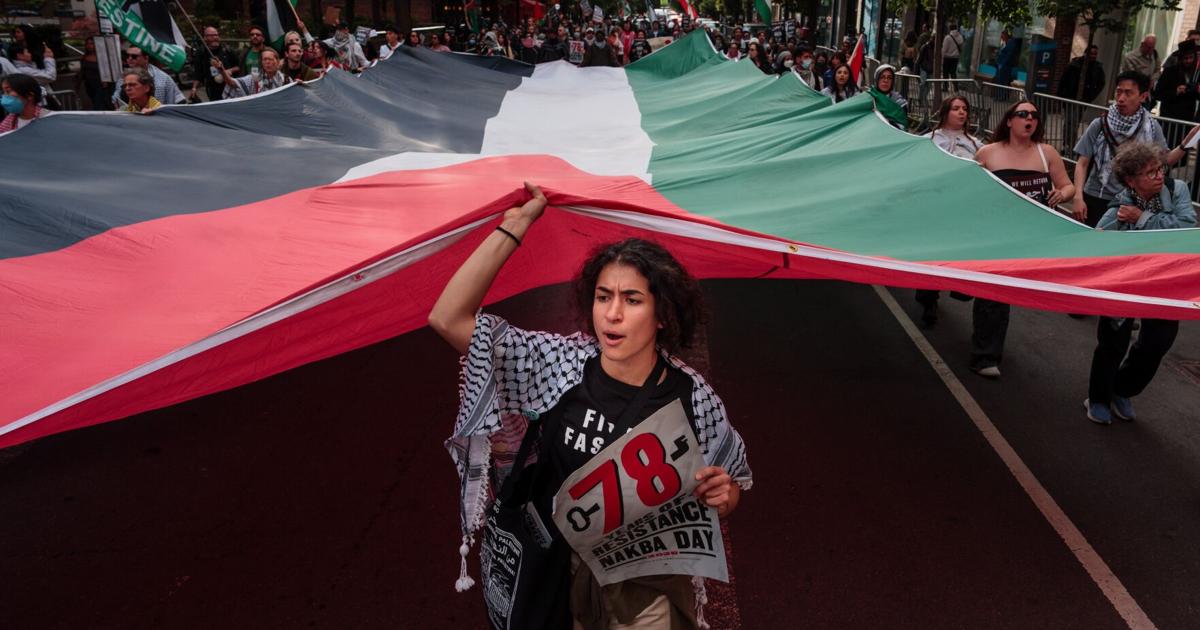
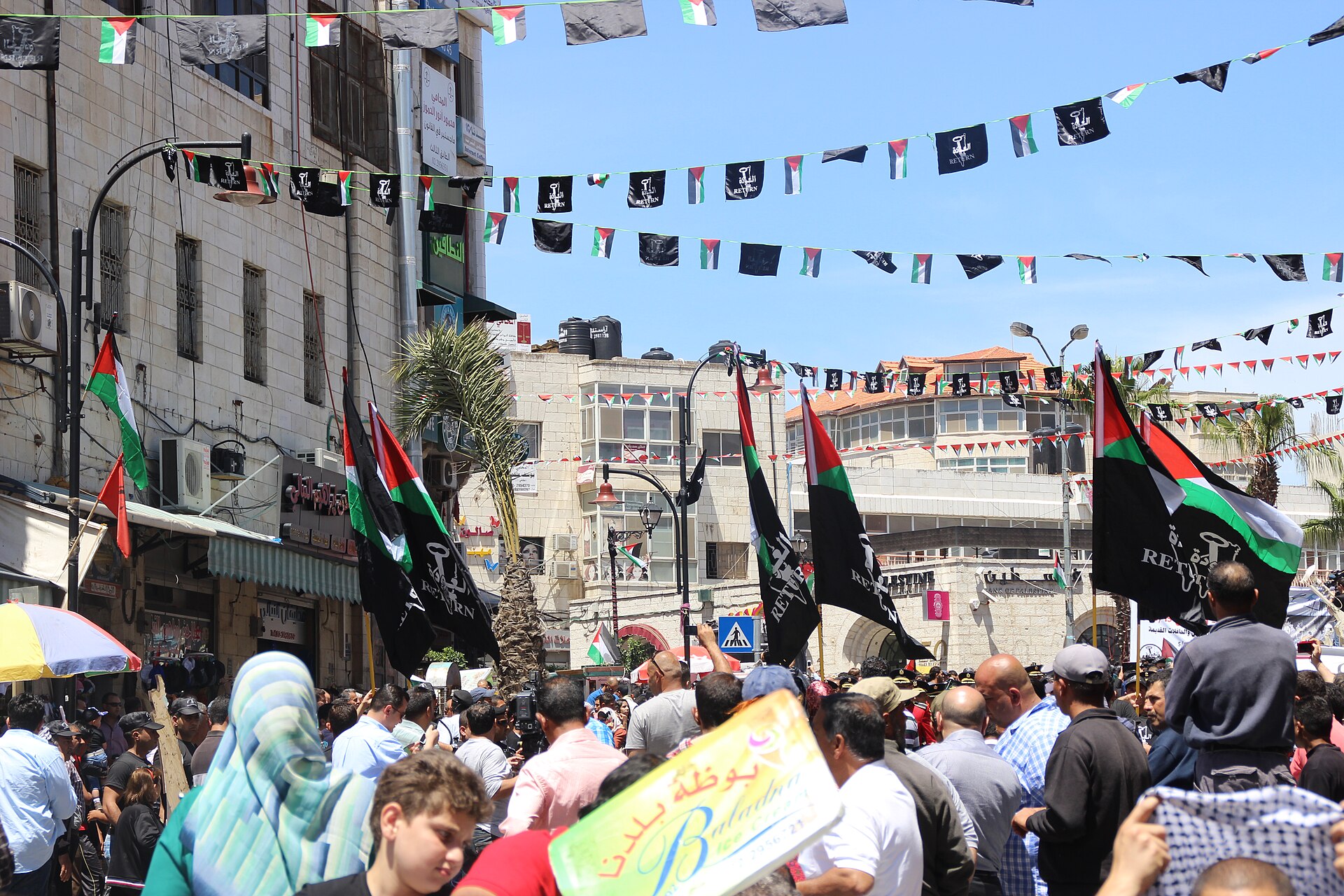
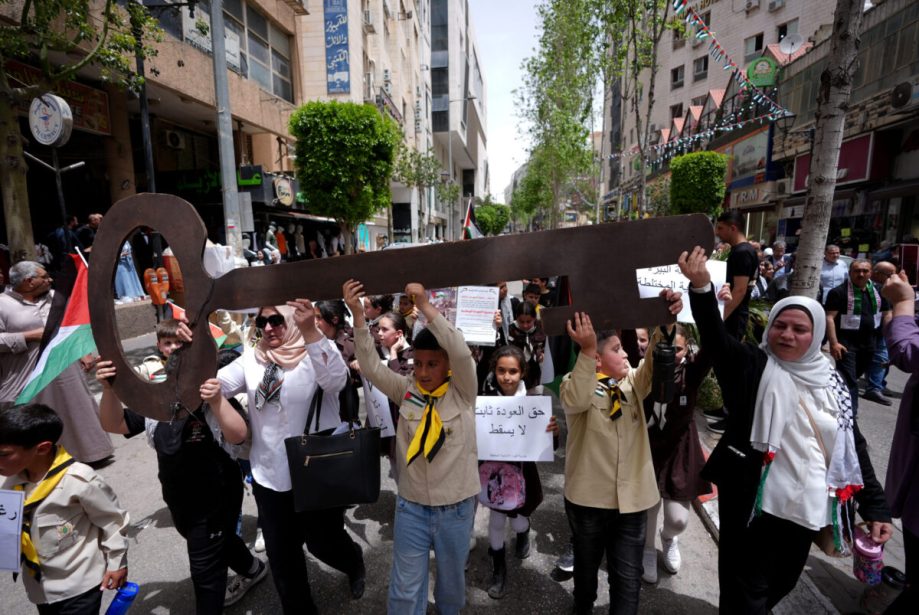
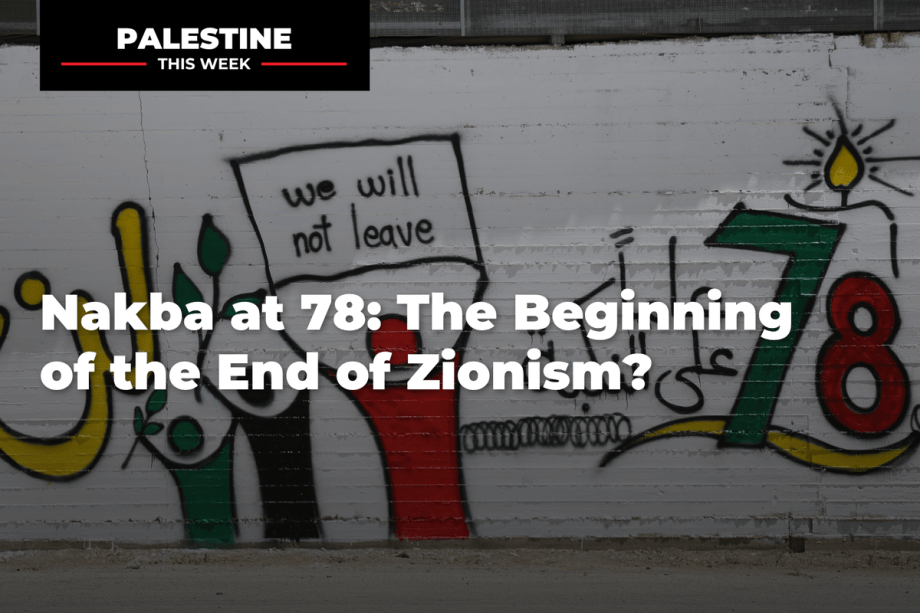
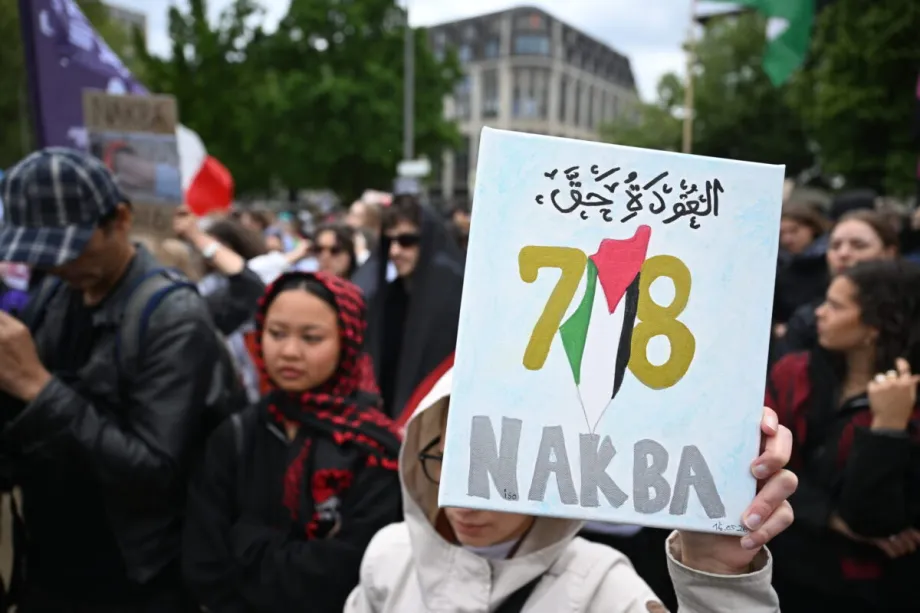
Every year on 15 May, Palestinians mark the Nakba — the catastrophe of 1948. Yet to describe the Nakba as history is to misunderstand its enduring architecture. It was never a single event sealed in black-and-white photographs of frightened families clutching iron keys to homes they would never see again. It was, and remains, a political system: one of removal, replacement, legal erasure, and economic dispossession. The tragedy is not only that the world watched it begin, but that much of the world continues to watch it unfold in real time.
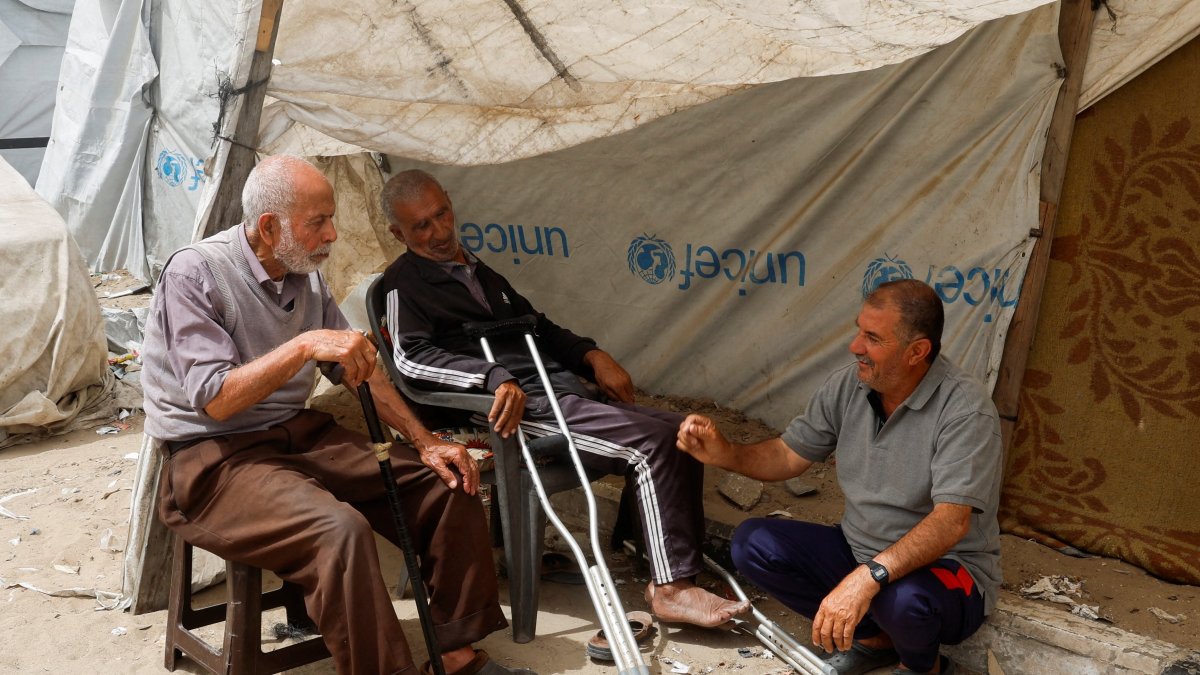
In 1947, Palestinians privately owned roughly 94 per cent of the land in Mandate Palestine, while Jewish settlers held around 5–6 per cent, according to British surveys. Yet the UN Partition Plan allocated 55 per cent of the territory to a Jewish state, despite Jews comprising only around one-third of the population. By 1949, after war and expulsion, Israel controlled 78 per cent of historic Palestine. Around 750,000 Palestinians — roughly 80 per cent of the Arab population within what became Israel — were expelled or fled. More than 500 villages and 11 Arab towns were depopulated or destroyed.