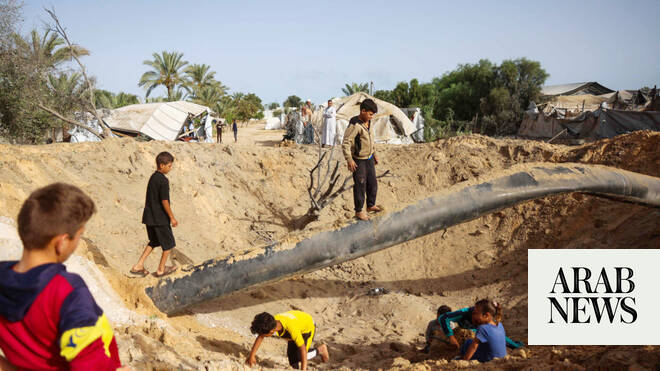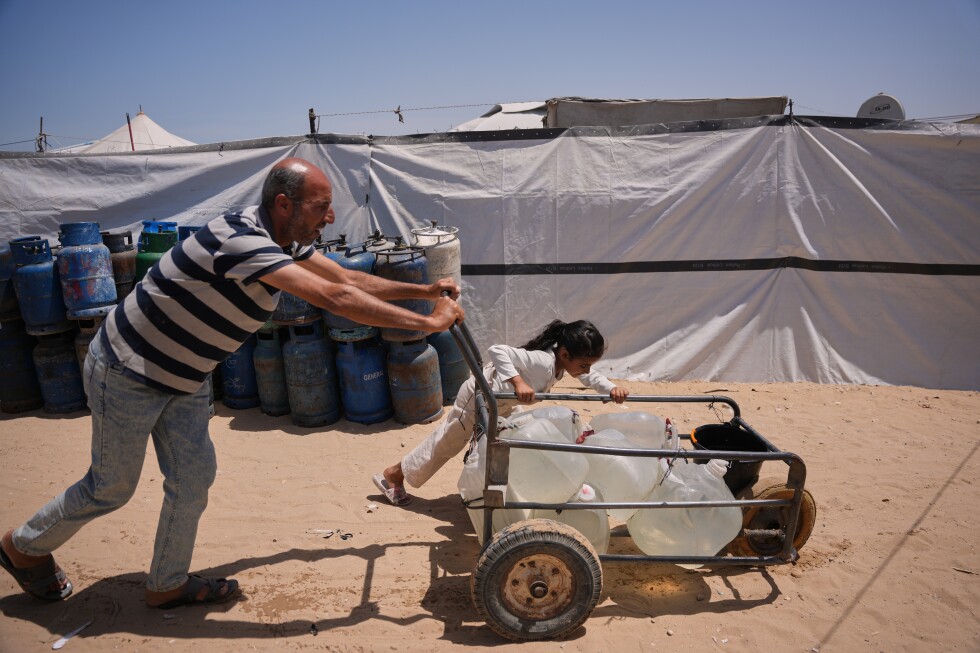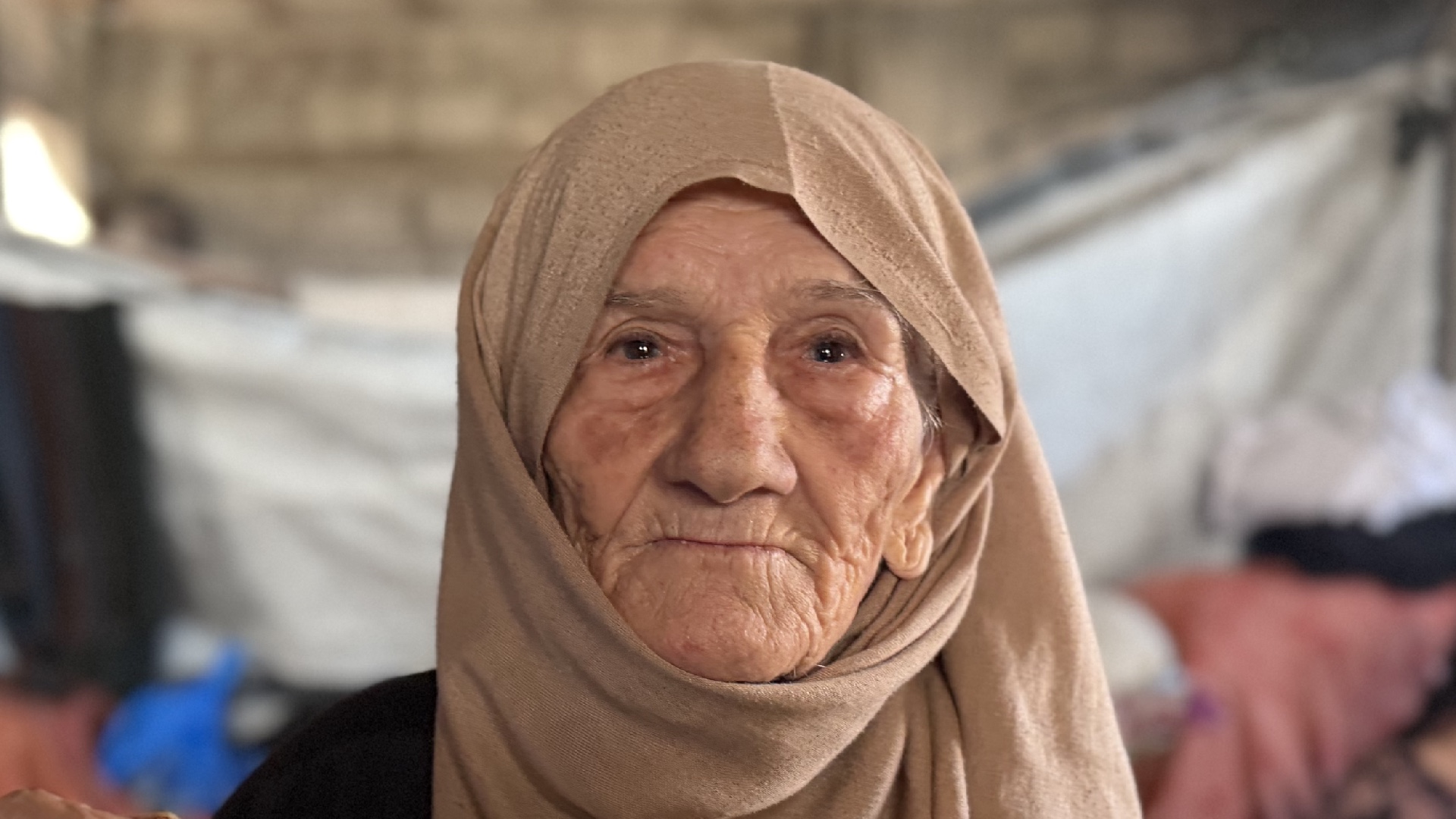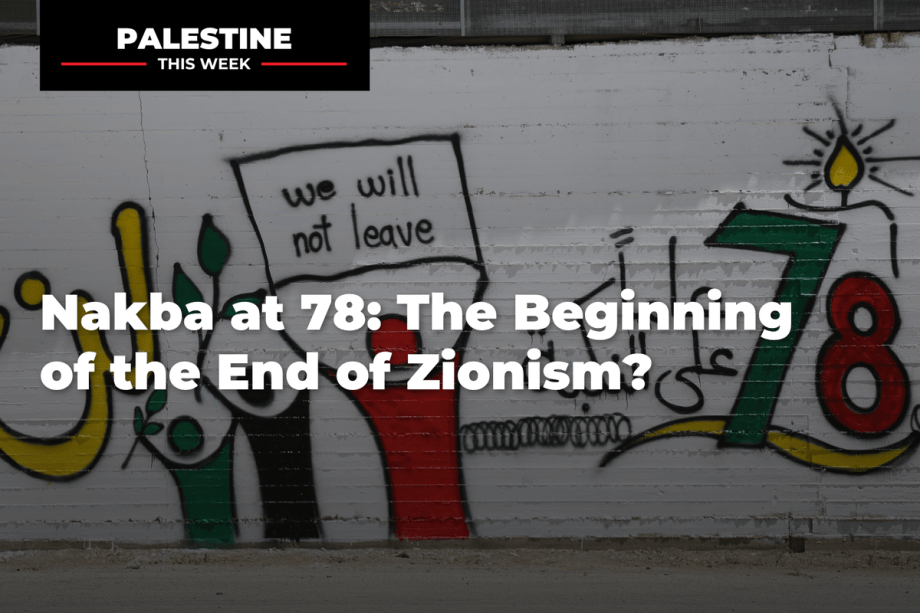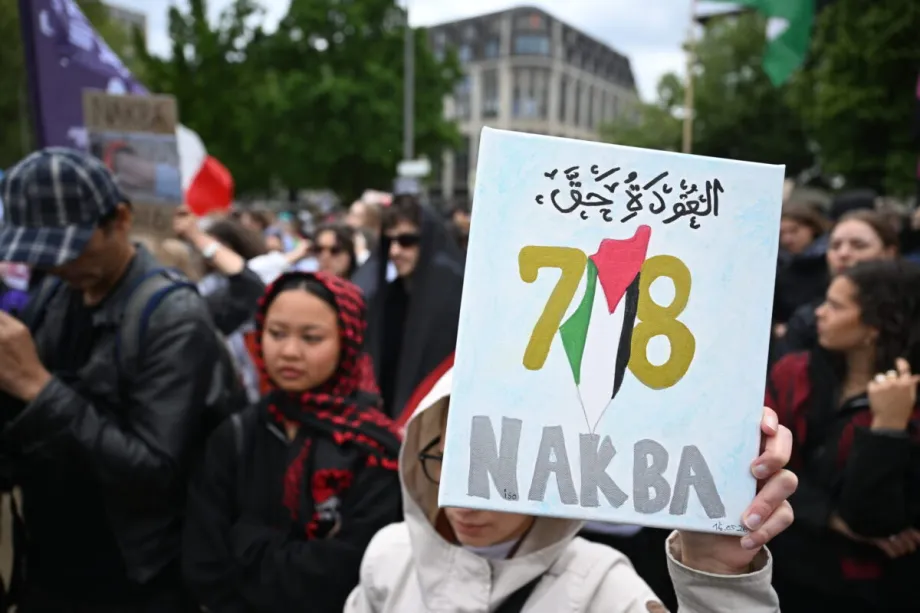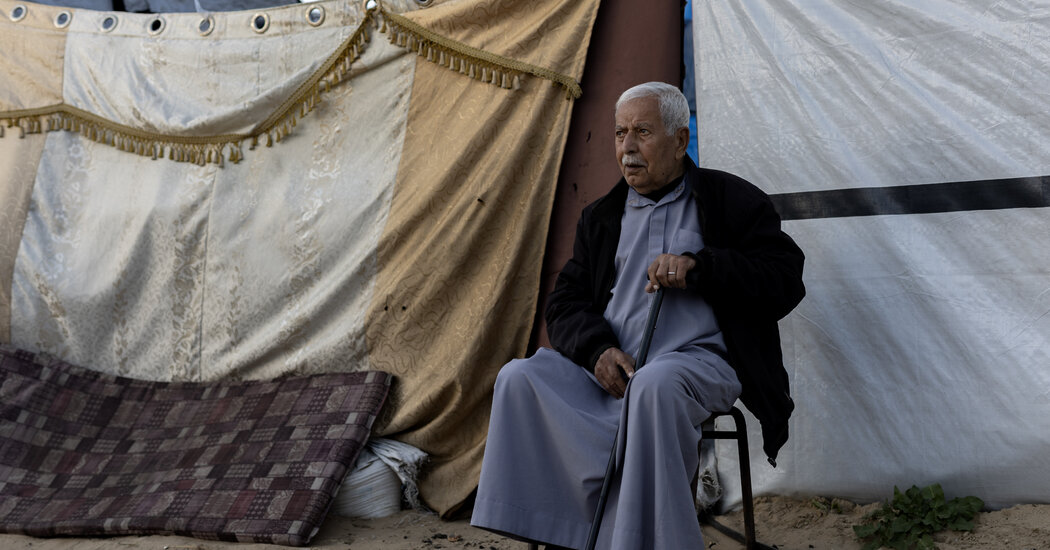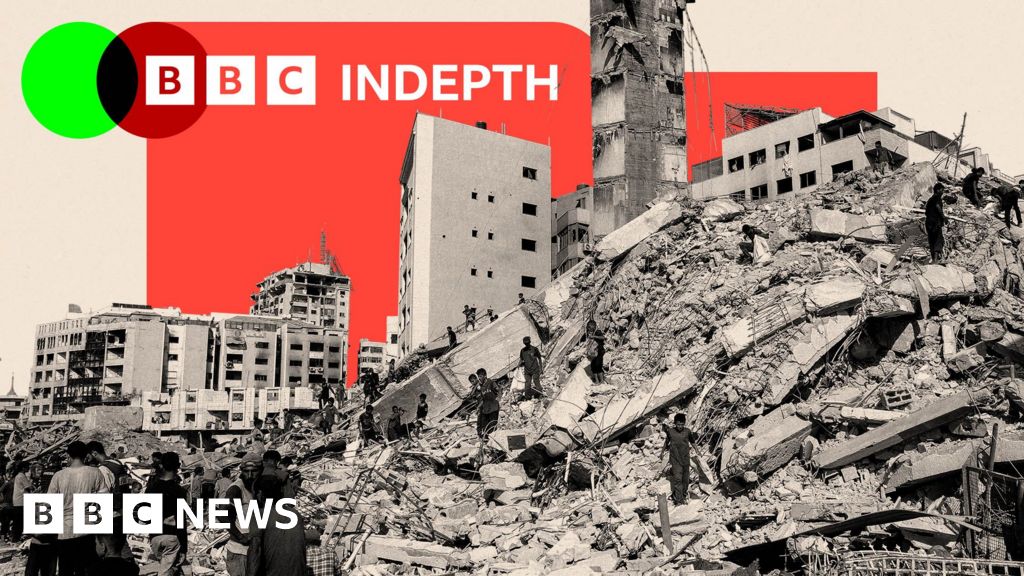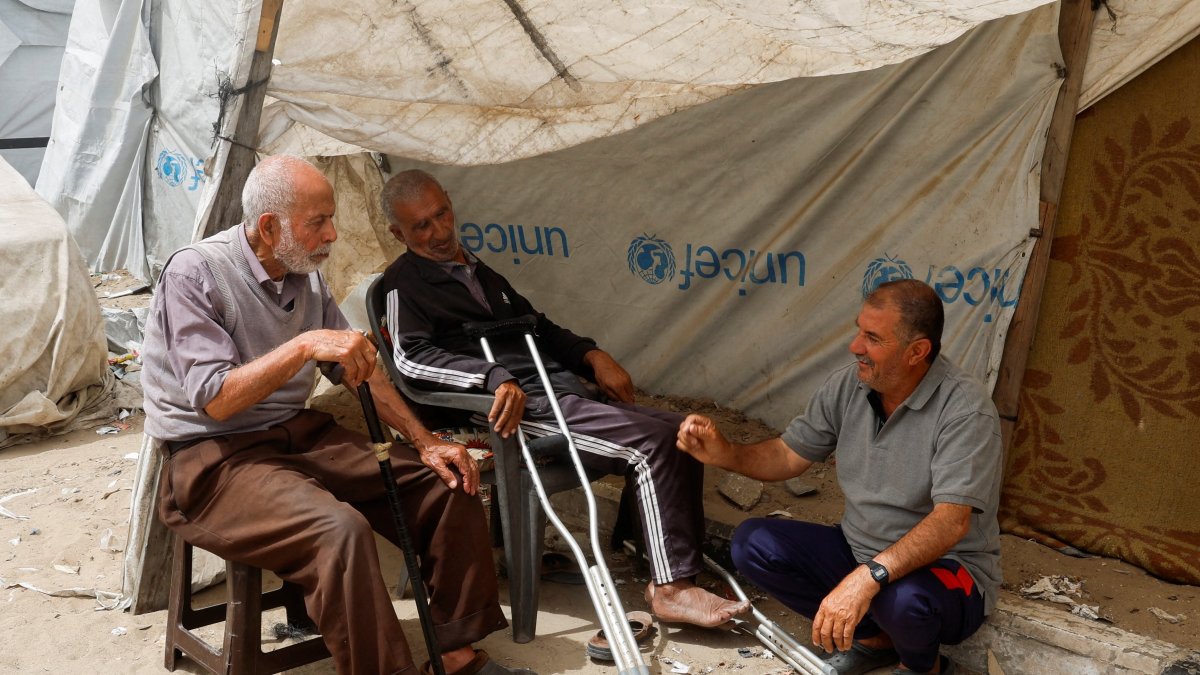
Yusuf Abu Hamam’s life sits at the intersection of two wars separated by 78 years but tied together by the same outcome: displacement, erasure, and a shrinking sense of home in Gaza.
All that remains of al-Joura, the village his family fled in 1948, are fragments of stone walls scattered across what is now southern Israel.
Israeli forces demolished the village during the war surrounding Israel’s creation.
In the years that followed, its land was absorbed into the expanding city of Ashkelon and later incorporated into landscaped areas and a national park, leaving almost no visible trace of the original community.
For Abu Hamam, al-Joura is not a place he remembers firsthand. He was an infant when his family left. But it has defined the shape of his life, passed down as memory rather than experience, absence rather than presence.