North Korea’s strategic posture has visibly shifted since the Australia-United Kingdom-United States (AUKUS) agreement was signed in 2021. Pyongyang has “irreversibly” enshrined nuclear weapons into its constitution, formalized a “Comprehensive Strategic Partnership” with Russia that contains a mutual defense clause, sent 14,000 troops to the battlefield in Ukraine, abandoned reunification with South Korea, and vowed to modernize its outdated navy.
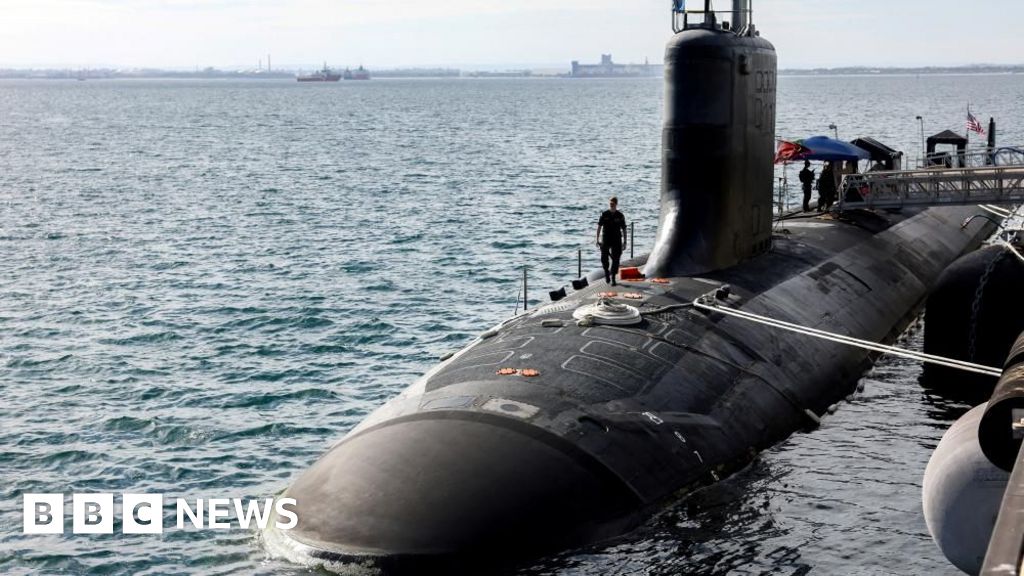
North Korea constantly reminds its citizens about the perceived threat that AUKUS poses. The official state-run media mouthpiece, the Korean Central News Agency (KCNA), recently described AUKUS as “gravely threatening regional peace and security” after Australia transferred the first $500 million payment to the United States. It is clear that Pyongyang pays close attention to new developments in AUKUS, but how much of the shift in North Korea’s grand strategy can actually be attributed to it?
AUKUS in a Dangerous Mosaic of “Tripartite Nuclear Alliances”
The main focus of North Korean media commentary about AUKUS is the perceived role it plays in spreading nuclear weapons in the Asia-Pacific. Shortly after the deal was announced in September 2021, Pyongyang slammed AUKUS as “an irresponsible act posing danger of nuclear proliferation and triggering an arms race.” The official KCNA report portrayed AUKUS as symbolic of the United States’ “double dealing” and “Janus-faced” foreign policy. Washington was depicted as the central aggressor seeking to undermine the global proliferation regime under the ruse of protecting a rules-based international order.