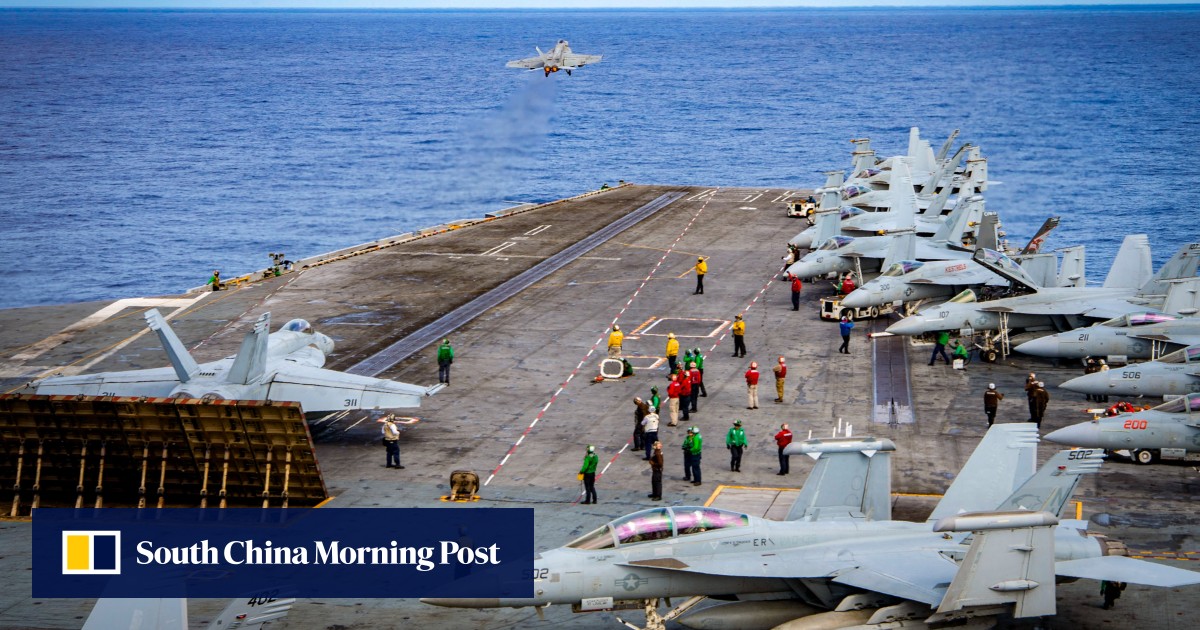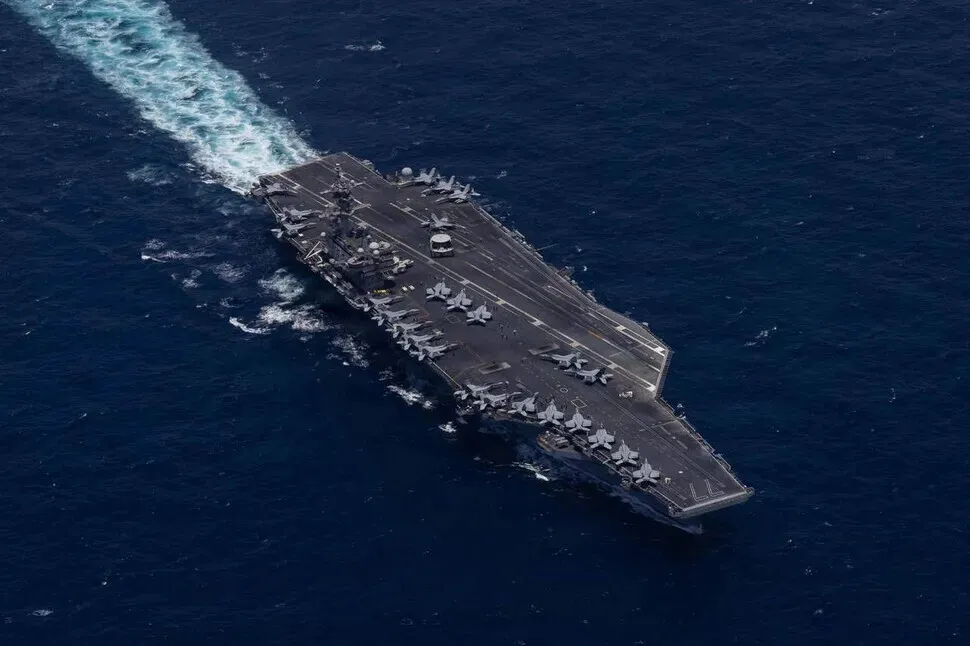
Nimitz-class aircraft carrier USS George HW Bush patrols the Arabian Sea on May 3, 2026, in this photo released by US Central Command on May 5. (AFP/Yonhap)
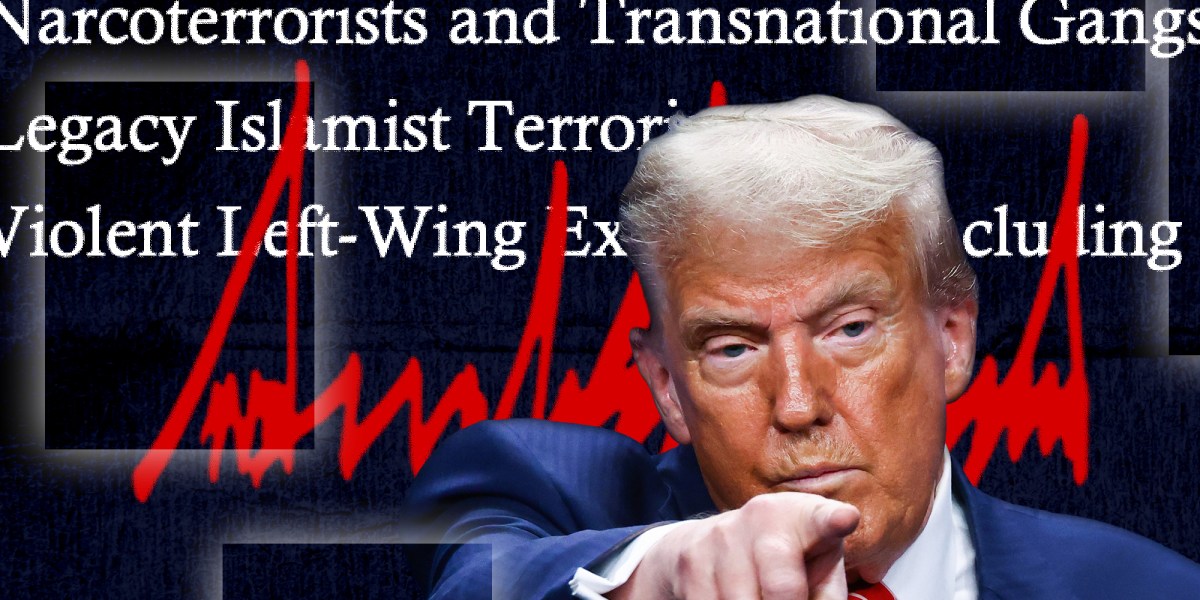
In its new strategy for countering terrorism, the Trump administration directly mentions South Korea alongside Australia and Japan as a key partner in Asia for protecting maritime trade routes vital to the US. The administration also designated the protection of strategic waterways such as the Strait of Hormuz and the Red Sea as a crucial counterterrorism mission. While making clear that it will not bear the brunt of the burden to protect the world from terrorism, the US is expected to call on allies, including South Korea, to take on greater roles in cooperative maritime security efforts. This is in line with the recent trend in which the US has urged South Korea and other allies to participate in its operations in the Strait of Hormuz. In the 2026 US Counterterrorism Strategy report published by the White House on Wednesday, the US outlined a policy that shifts away from independently conducting counterterrorism operations worldwide and instead seeks to expand the role of its allies and partners. This document functions as a detailed strategy applying the principles of “America First” and “peace through strength” delineated in the Trump administration’s 2025 National Security Strategy to counterterrorism efforts. Unlike that published by the first Trump administration in 2018, this year’s strategy document includes specific references to South Korea. The 2018 document argued that “America First does not mean America alone,” signaling a push for capable partners to take on greater roles. It further emphasized that the US need not remain the primary actor responsible for counterterrorism efforts around the world, and that its partners ought to strengthen their own capabilities. Notably, the 2018 document contained no direct mention of South Korea. In contrast, the 2026 document explicitly mentions South Korea, along with Japan and Australia, in its discussion of strategy in Asia — a region it called “central in the spread of Islamist ideology, the recruiting of terrorists, and the raising of funds for attacks against the homeland and maritime trade routes vital to the US and [its] partners, including Japan, South Korea, and Australia.” The US also made more overt demands of allies to take on a greater share of responsibility for counterterrorism efforts.While the 2018 report used language about “support[ing] counterterrorism capabilities of key foreign partners,” the latest strategy document strikes a different tone, reading, “It is not cost-effective, wise, or even possible for the United States to continue to conduct СТ [counterterrorism] activities everywhere, all at once, and in a vacuum.”“Peace can only be achieved through strength, therefore we will further burdenshare and burdenshift CT efforts to countries in South and Central Asia,” it went on. In effect, the focus on strengthening partnerships in the first term has sharpened in the second into clearer demands for burden-sharing and burden-shifting.Security of strategic waterways was also newly included in the 2026 strategy.“Given that freedom of maritime navigation is crucial to the US economy, we will not allow strategic waterways such as the Strait of Hormuz or Red Sea to be held hostage by non-state or state actors,” the section on the Middle East reads in part.This explicit inclusion of freedom of navigation in international sea lanes as part of the US counterterrorism strategy in the latest report marks a shift from the 2018 strategy, which primarily addressed port, border, and transportation security in terms of defending the US homeland and blocking terrorist movements.By Kim Won-chul, Washington correspondentPlease direct questions or comments to [english@hani.co.kr]