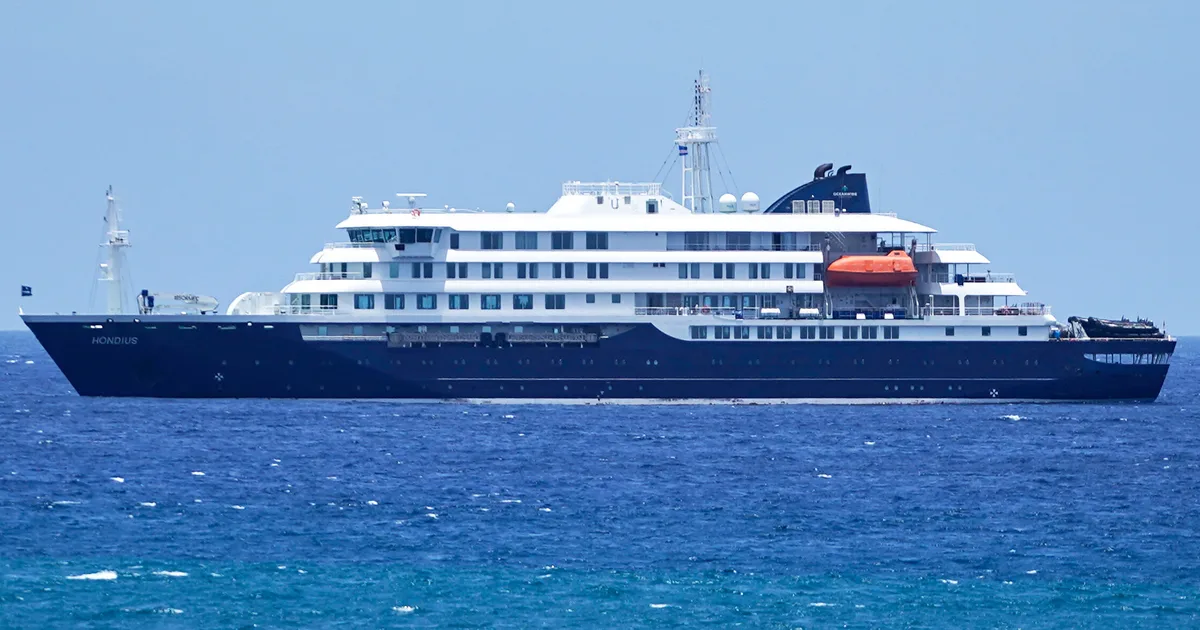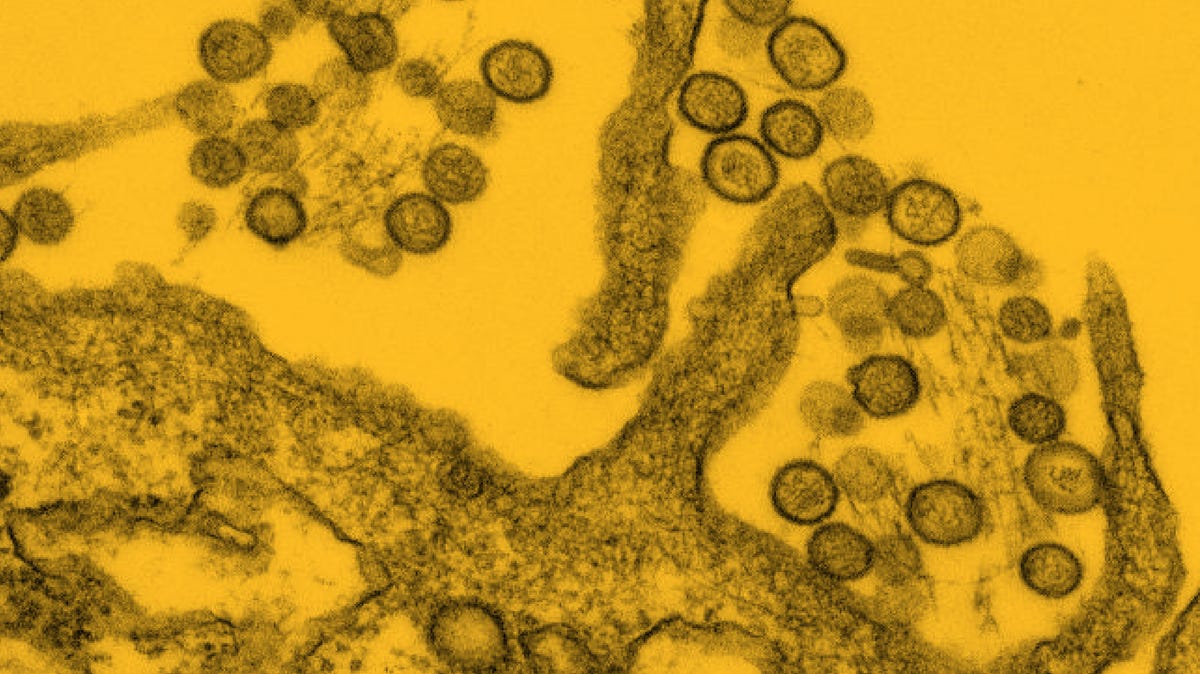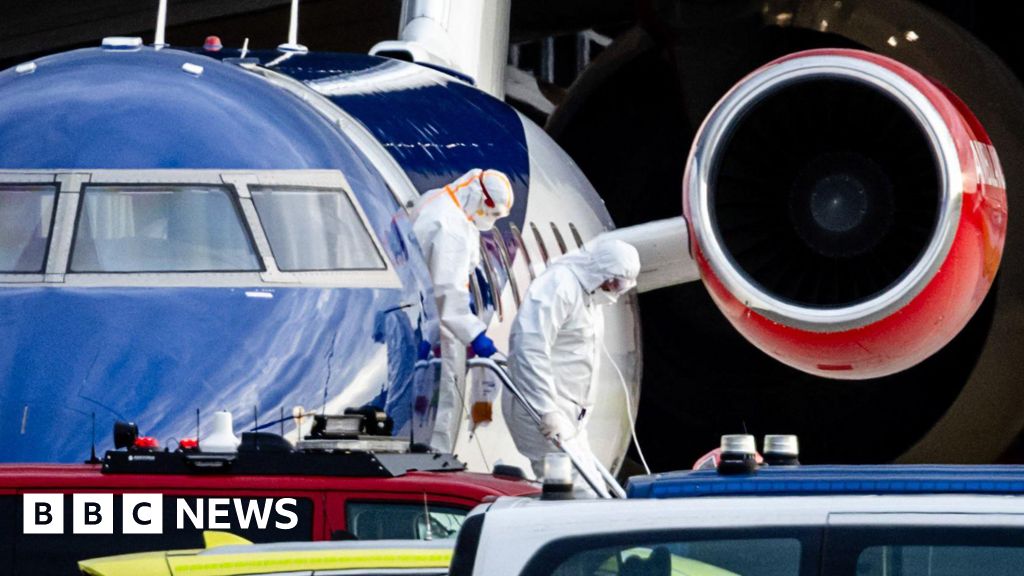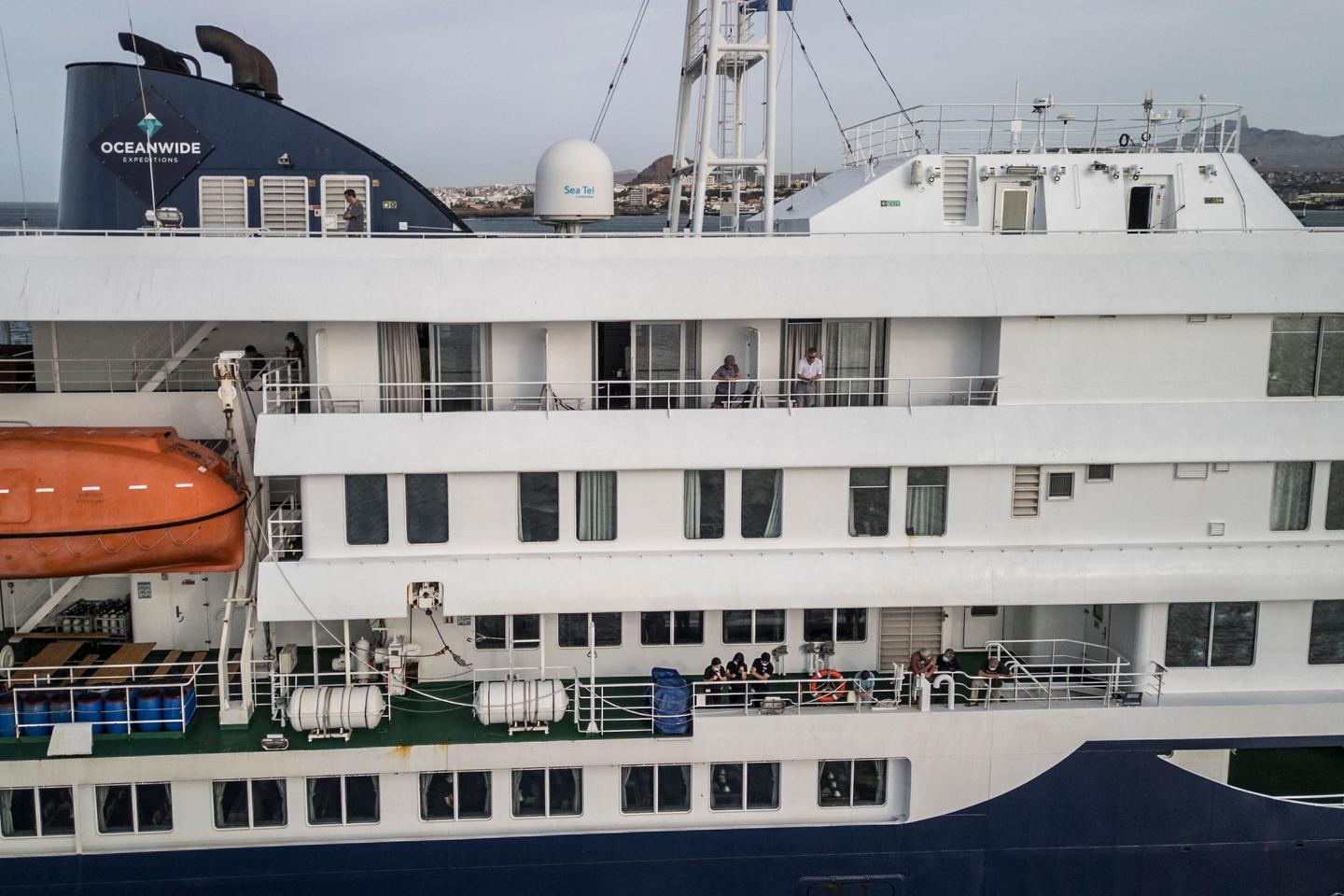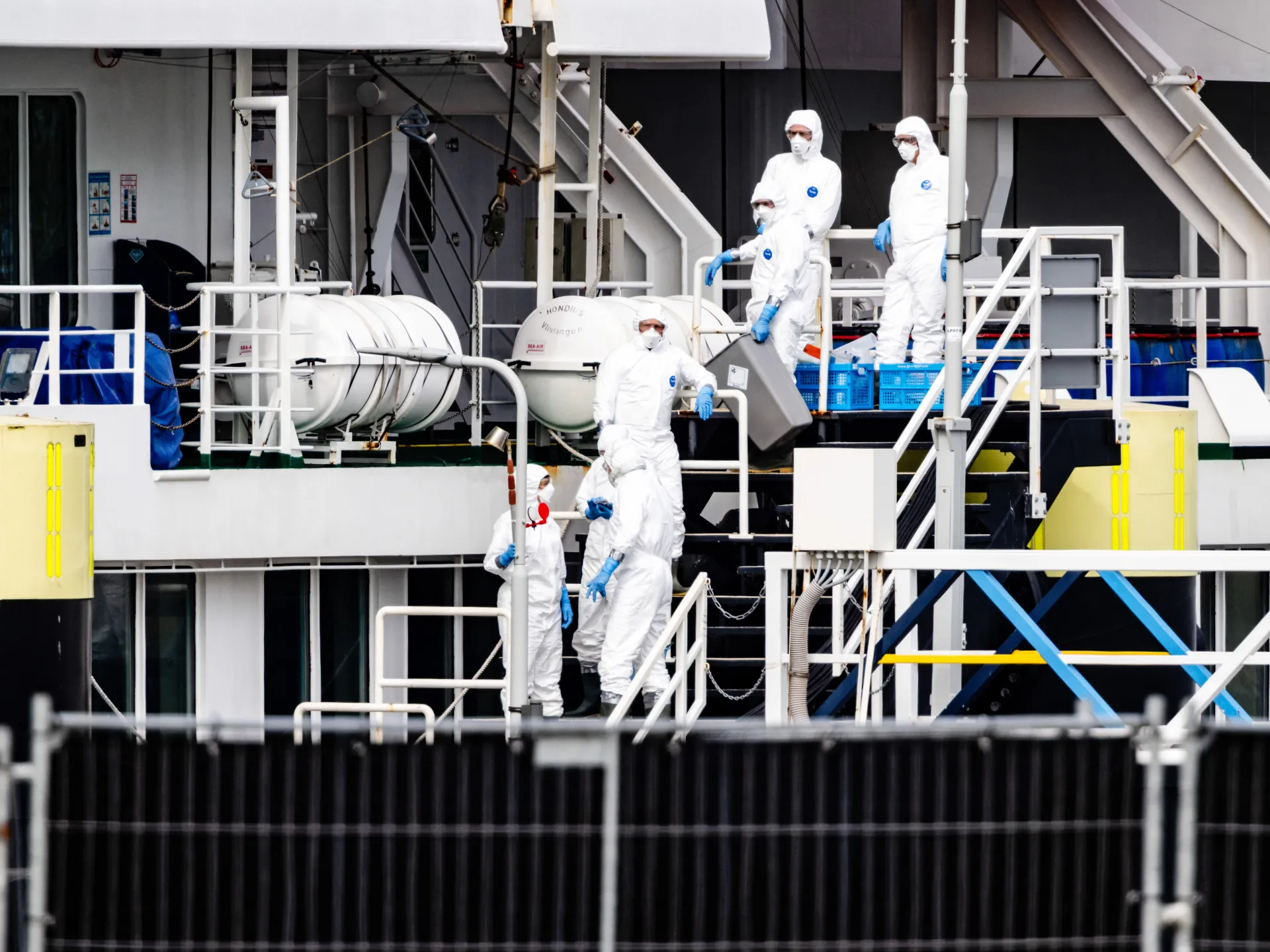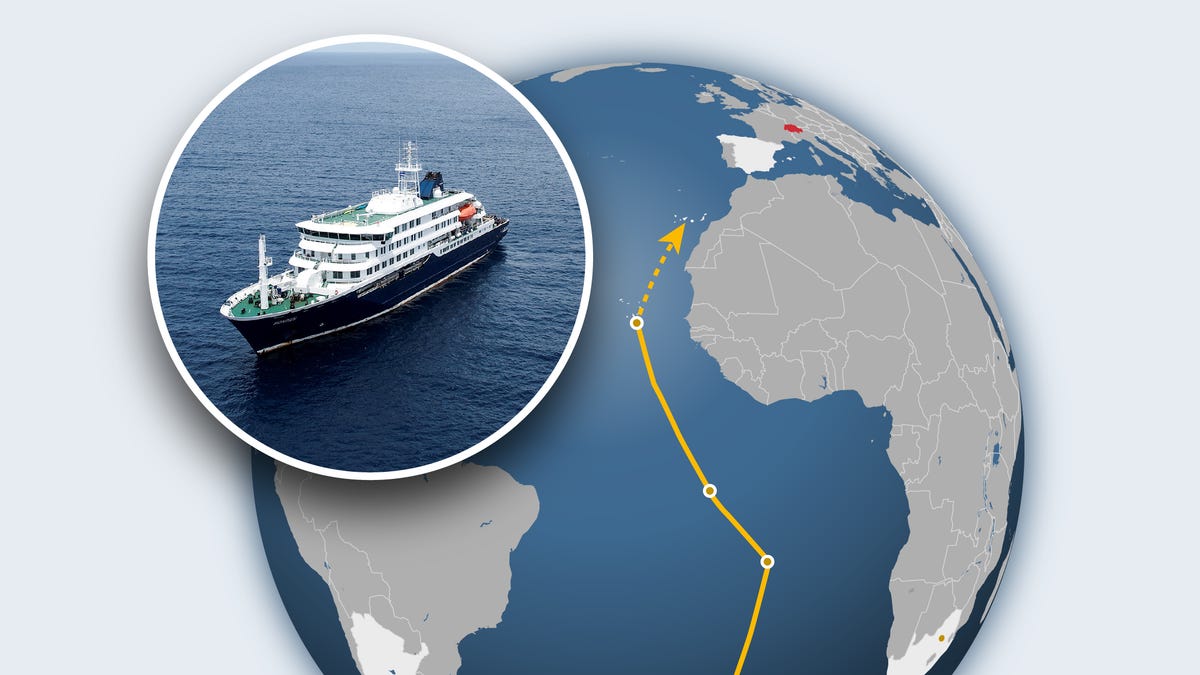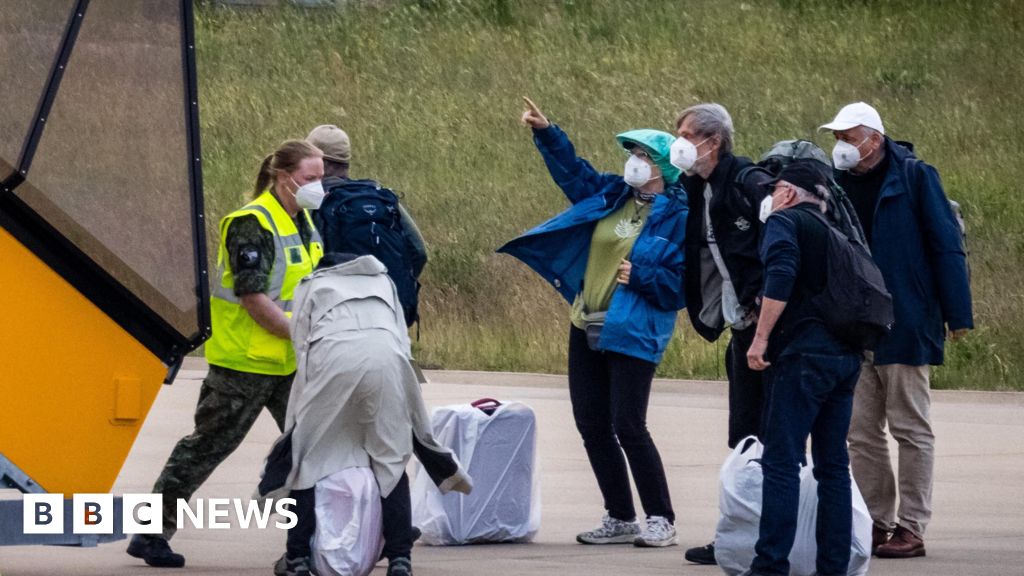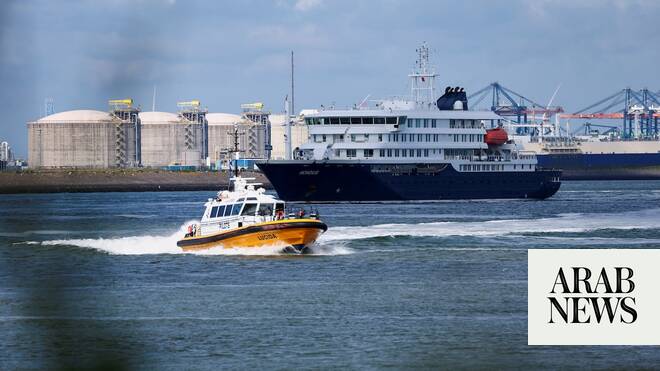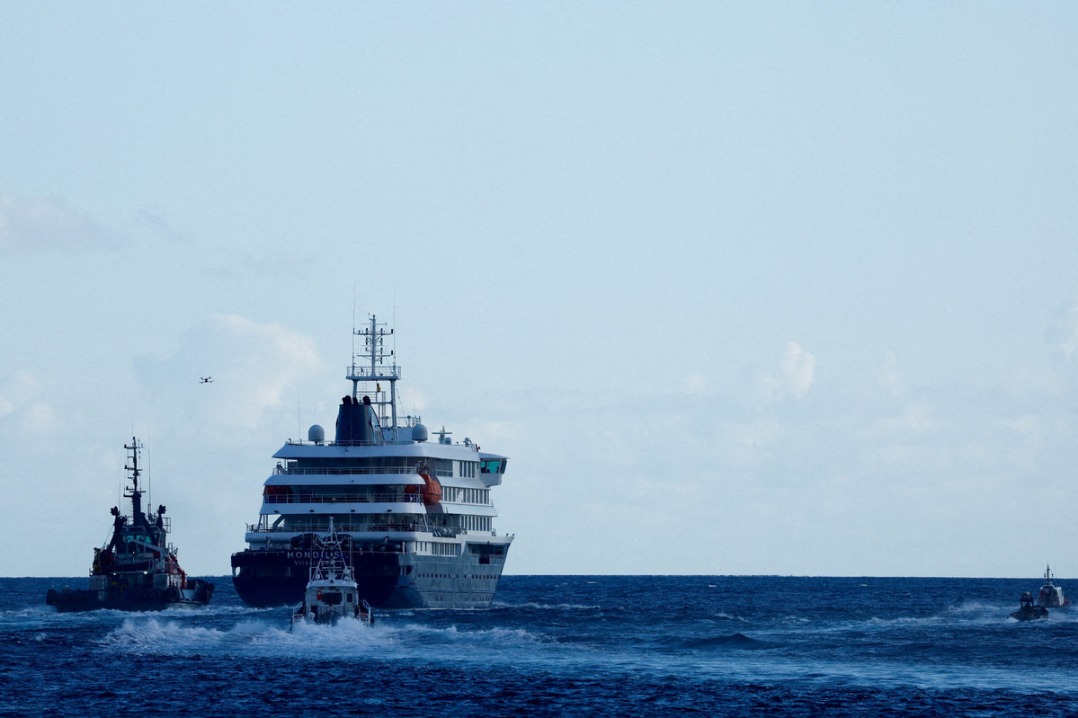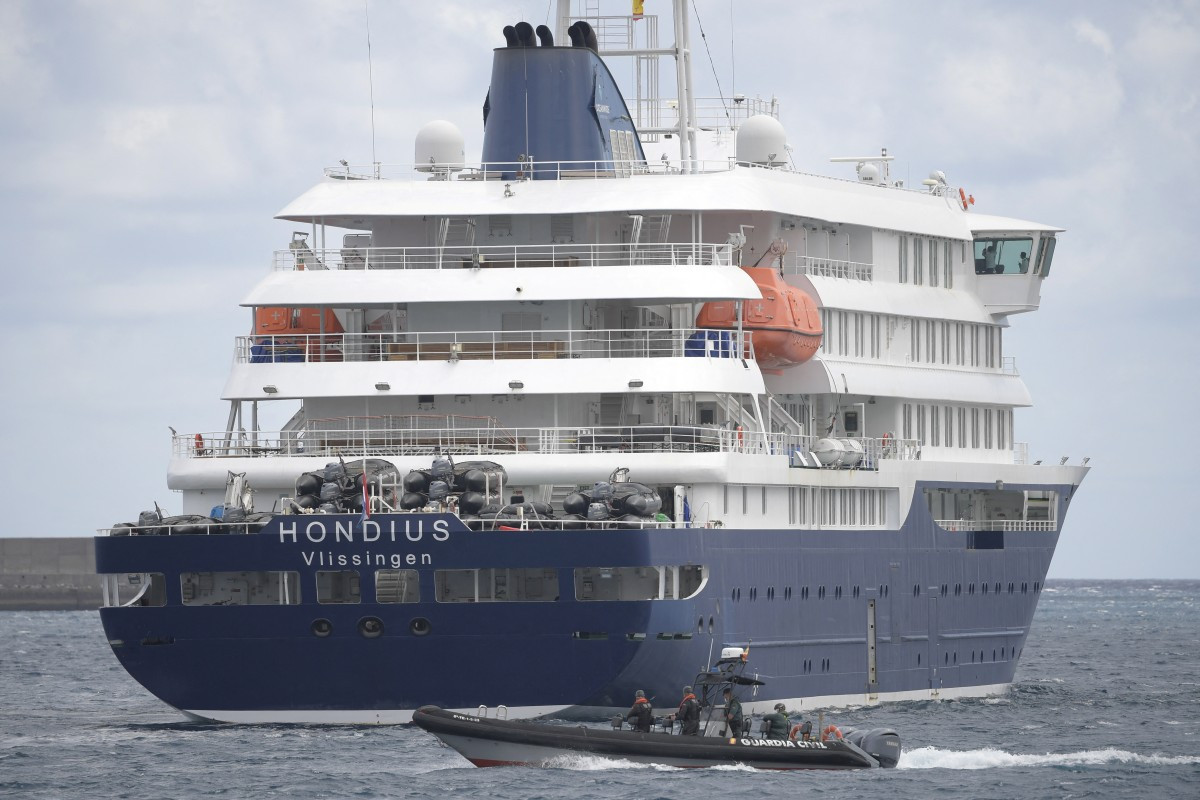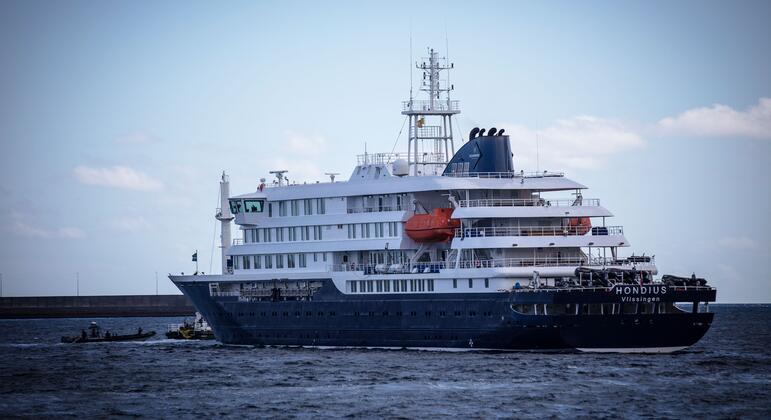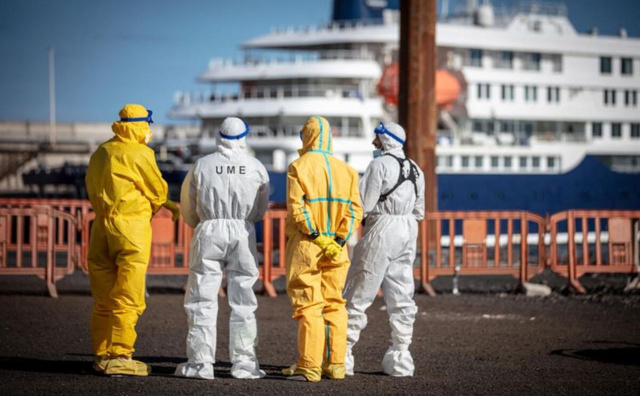
When the United Kingdom notified WHO on 2 May 2026 of a cluster of severe respiratory illness aboard a Dutch-flagged cruise ship in the Atlantic Ocean, passengers from 23 countries were on board. Within days, cases of hantavirus (Andes strain) had been confirmed in South Africa, Switzerland and the Netherlands. The ship was still at sea.
What followed was one of the most complex multi-country outbreak responses in recent years - and a direct test of the International Health Regulations (2005) (IHR), the legally binding global framework that obligates countries to prevent, prepare, detect, report and respond to public health threats that cross borders.
Here’s how the response worked.
24/7 surveillance and detection
Even before big cross-border public health events happen, a team of WHO public health intelligence experts work around the clock to detect signals before they escalate into public health events of potential international concern. In 2025 alone, these ‘detectives’ screened 224,000 pieces of information from both official sources, including International Health Regulations (IHR), and media articles, resulting in 116 major public health events identified, of which 70 required immediate WHO operational response and follow-up.