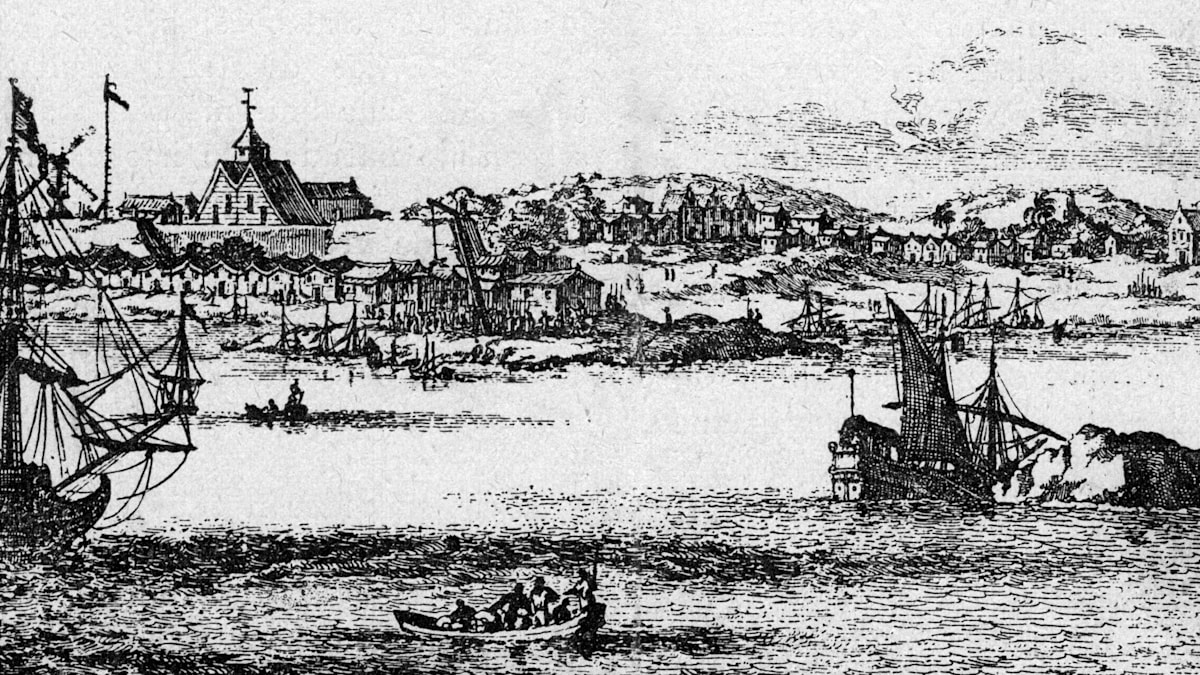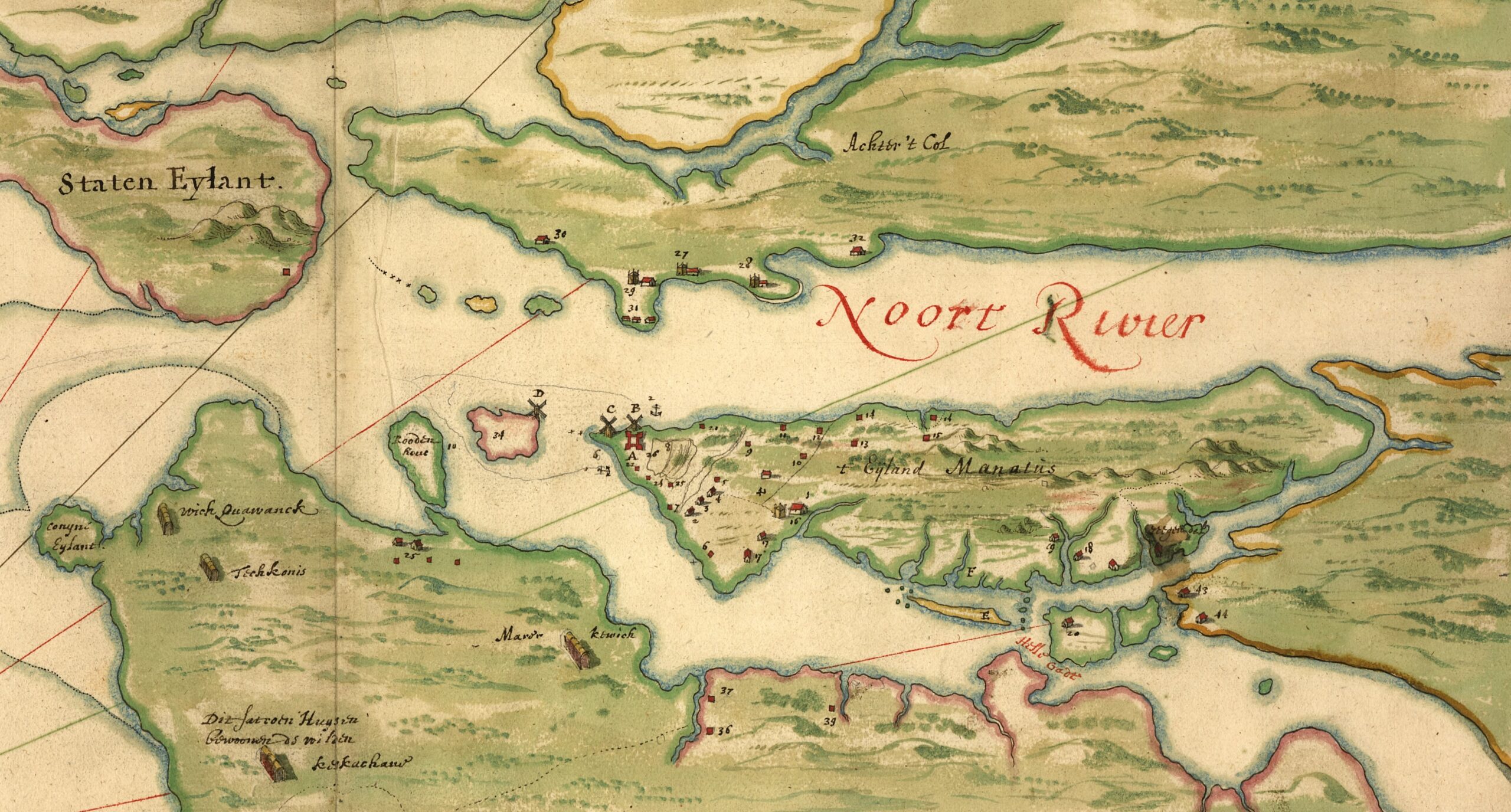
Before there was a place called New York, there was Anthony the Turk. Thought to be a Muslim born in Morocco, he possessed more wealth and property than any other non-Native person in the vicinity of what is today New York Harbor. In fact, he lived there for decades in the seventeenth century, longer than virtually any other man of his generation. In contrast to the Puritans who founded the Massachusetts Bay Colony at approximately the same time, very little is known about Anthony the Turk, who remains barely a footnote, if mentioned at all, in histories of America’s origins. But what we do know is that Anthony and his wife, Grietje, emerged from lives of piracy and prostitution an ocean away to forge a life in New Netherland, New York’s first European colony and the only Dutch colony in North America.
Their story presents a very different tale of the American family, not English or Native, Black or white, European or Christian, immigrant or refugee. Its coarseness and tawdriness, framed by a life of seventeenth-century asperity, reads far more realistically and with more nuance than the mainstream ideas we have inherited to explain American beginnings.
These newcomers emerge as the true American family. Neither Puritans nor puritan, they were a young couple of decidedly hybrid origins who found each other and, proverbially, made it here. In our twenty-first century, one must banish the stale image manufactured in the nineteenth century of the Pilgrims in black with fancy hats gathered around a table to “celebrate” with Native peoples.