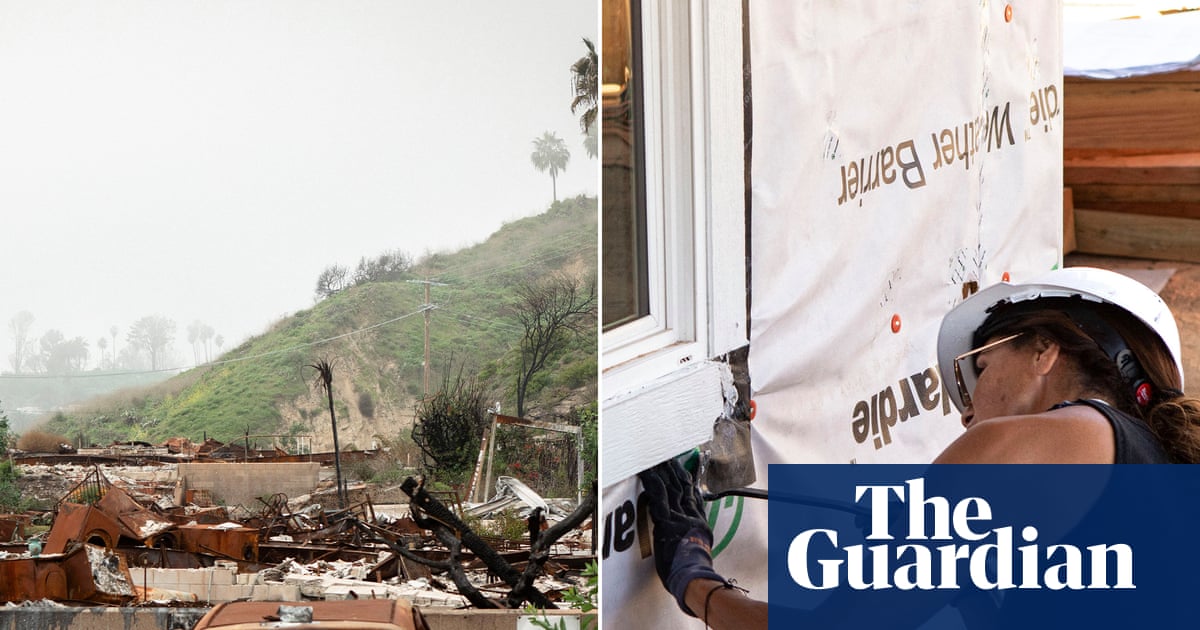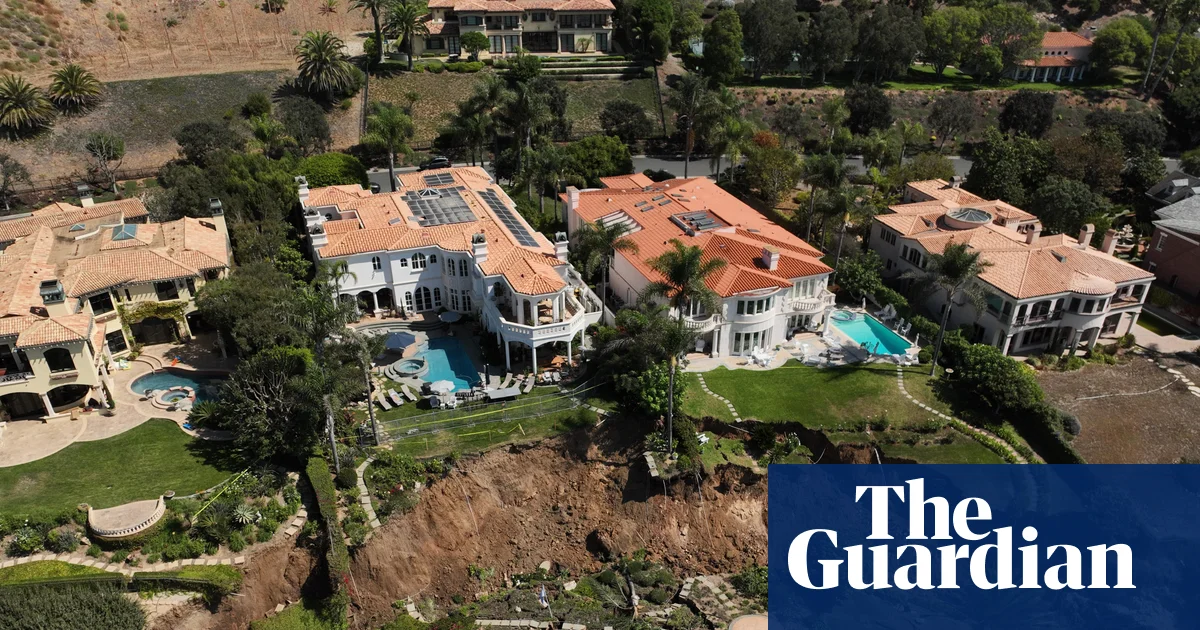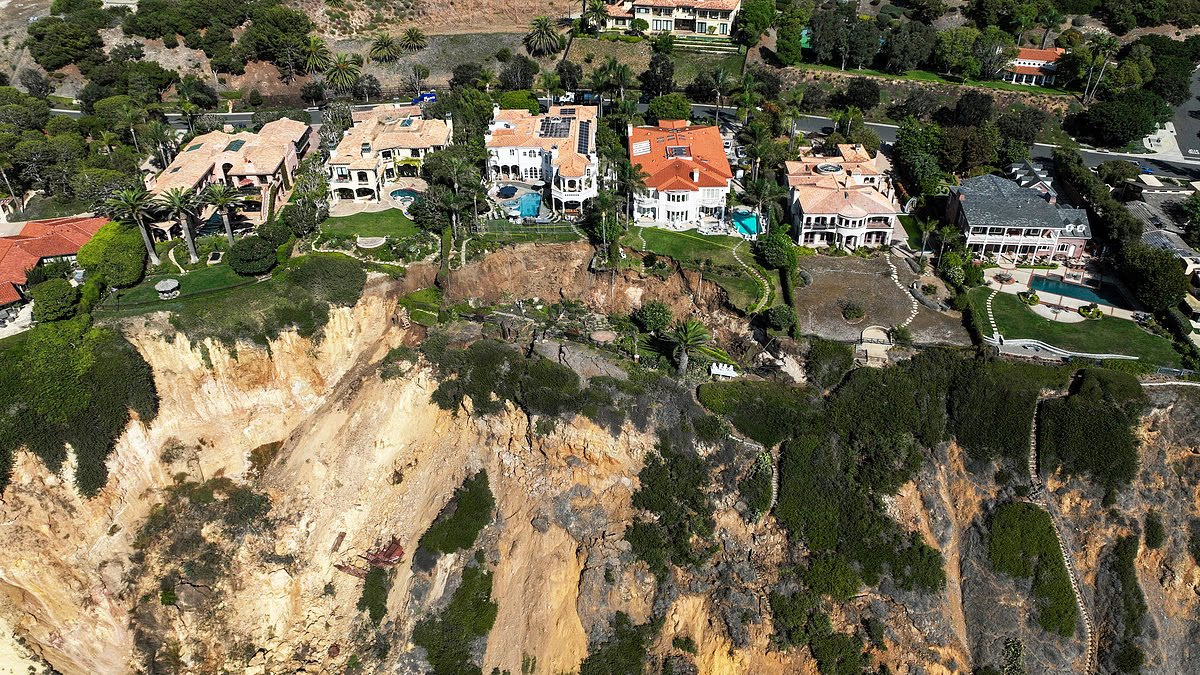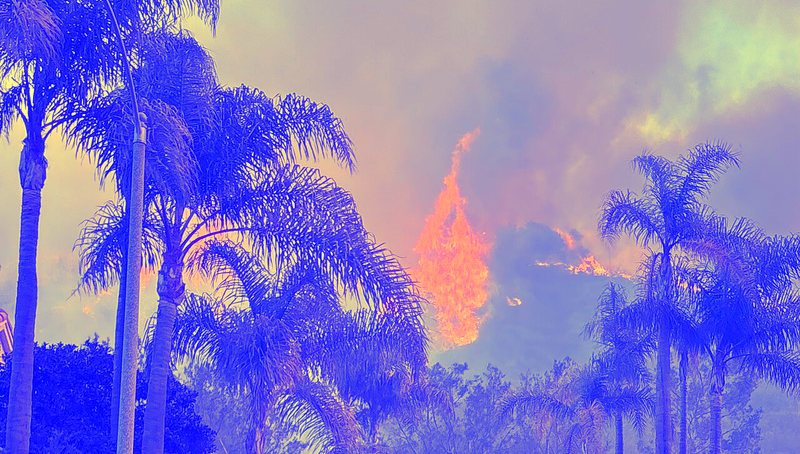
The mahogany-colored sandstone and shale cliffs that tower over the Pacific Ocean resemble a wall of massive tree trunks, chiseled by thousands of years of wind, rain, and surf. The optical illusion reminded early settlers of the blockades of wooden stakes, or palisades, built around forts to ward off threats. It was the perfect name for a new town that would test the limits of American ingenuity against some of the most extreme environmental conditions in the West.Article continues after advertisement
Pacific Palisades first broke ground on its clifftop perch in the early 1900s. Developers advertised the rugged mesa—framed by the Santa Monica Mountains to the east and the ocean to the west—as an escape from the dust and noise of the growing city of Los Angeles. A paradise “where the mountains meet the sea.” Though the Palisades was just eighteen miles from Downtown Los Angeles, reaching it in those days was an all-day journey with horse-drawn carriages navigating rough dirt and gravel roads. From the beginning, the Palisades, with its Mediterranean climate and jagged coastline, lured the most adventurous of settlers, each generation reshaping it in its own image.
The Palisades was proof man could tame America’s wildest land and nature would obey. But that too, like the wooden stakes the town was named after, was all just an illusion.