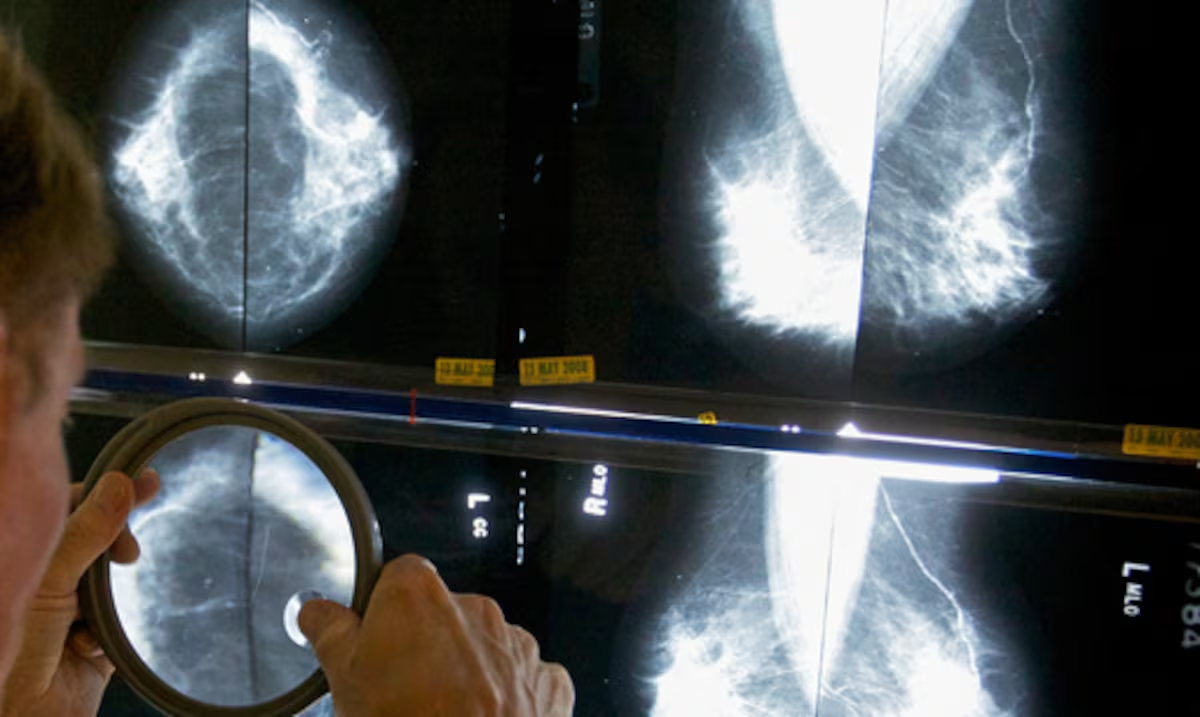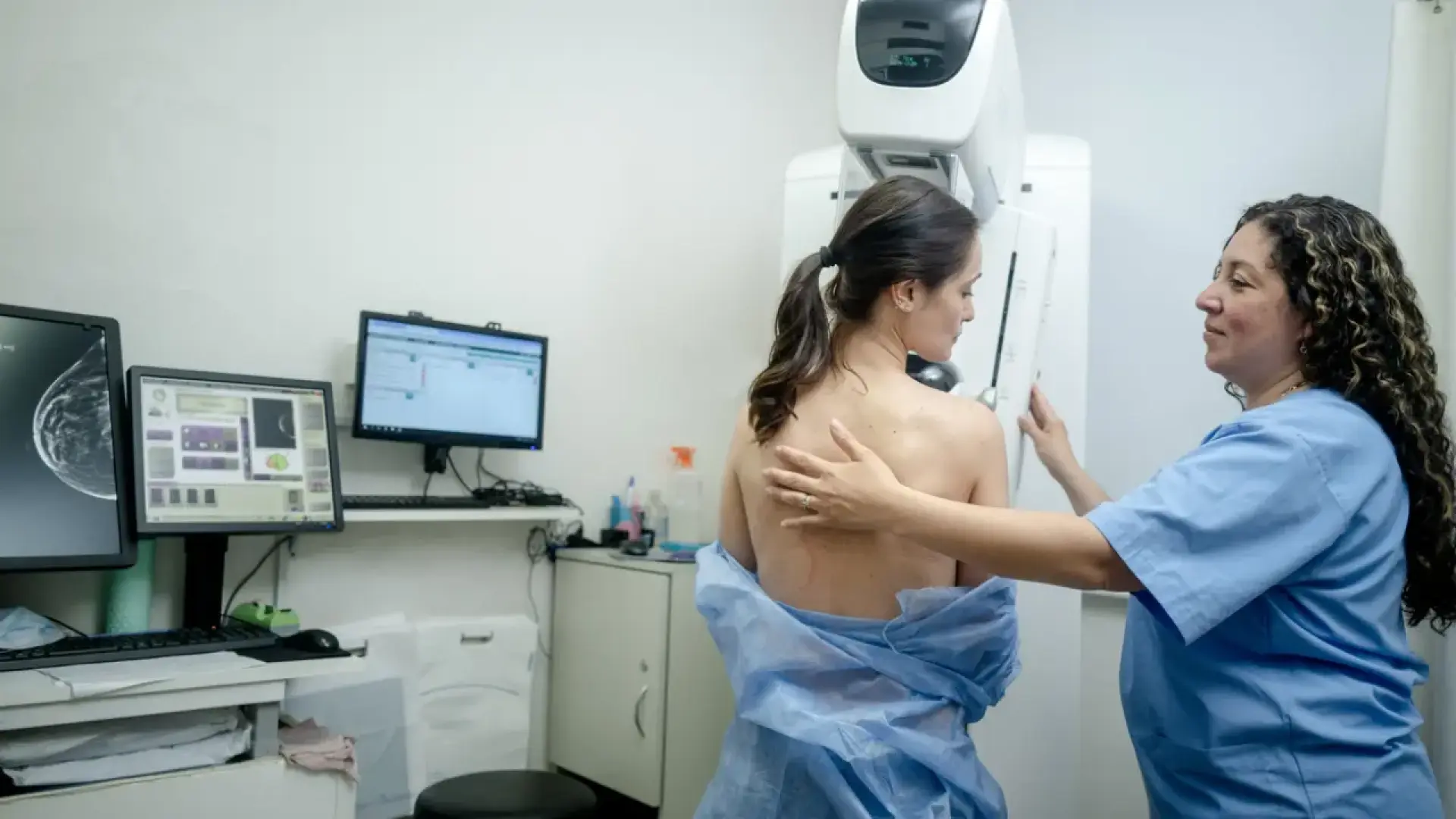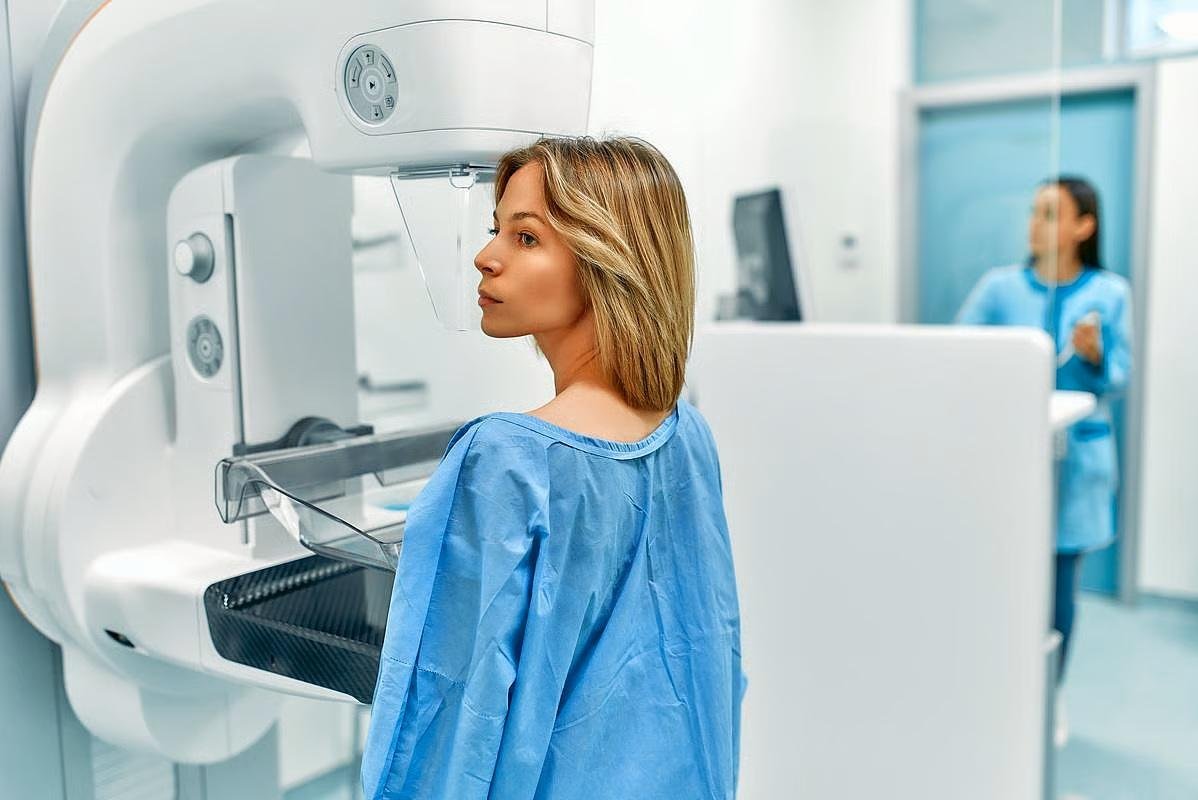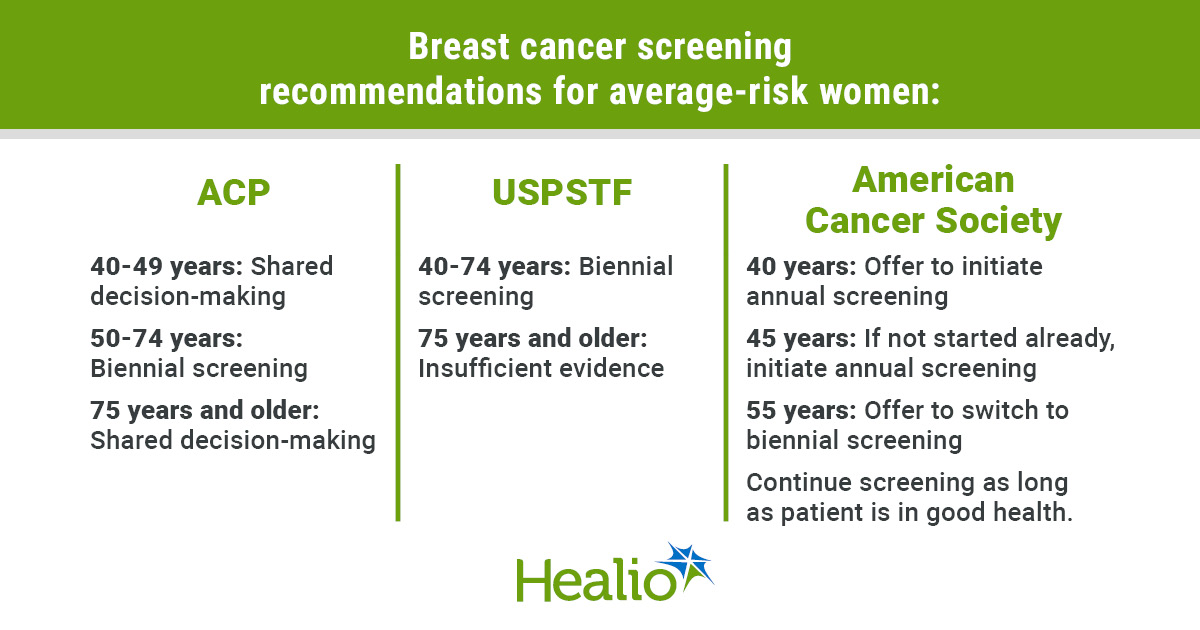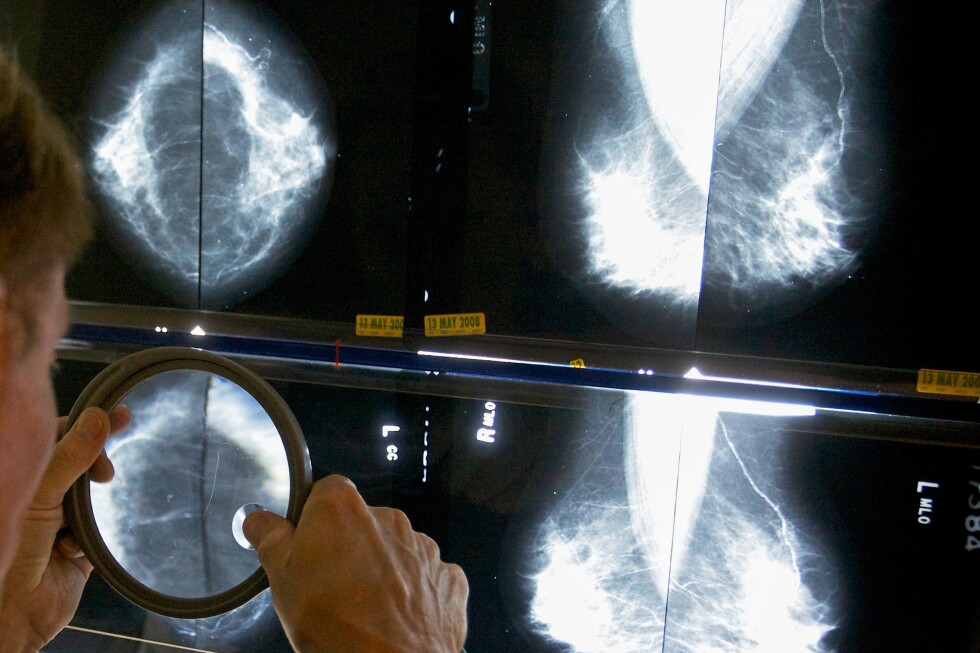
WASHINGTON (AP) — Deciding when to get routine mammograms is confusing. Some health groups recommend women begin at age 40 or 45 while another recently opted for age 50. They also differ on whether yearly or every other year is best.The conflicting advice is at least partly because guidelines for breast cancer screening are designed for women at average risk and with no possible cancer symptoms. But breast cancer is so common that it is hard to know who is really “average” and how to balance the pros and cons of screening.“Breast cancer is not one disease,” said Dr. Laura Esserman of the University of California, San Francisco. “So how in the world does it make sense to screen everybody the same when everyone doesn’t have the same risk?”Esserman is leading research to better understand the nuances of who is at low or high risk or somewhere in between and eventually offer more tailored screening advice.
More than 320,000 women in the U.S. will be diagnosed with breast cancer this year, according to the American Cancer Society. Death rates have been dropping for decades, thanks largely to better treatments. But it is still the second-most common cause of cancer death in U.S. women -- and diagnoses are inching up.For now, here are some things to know.