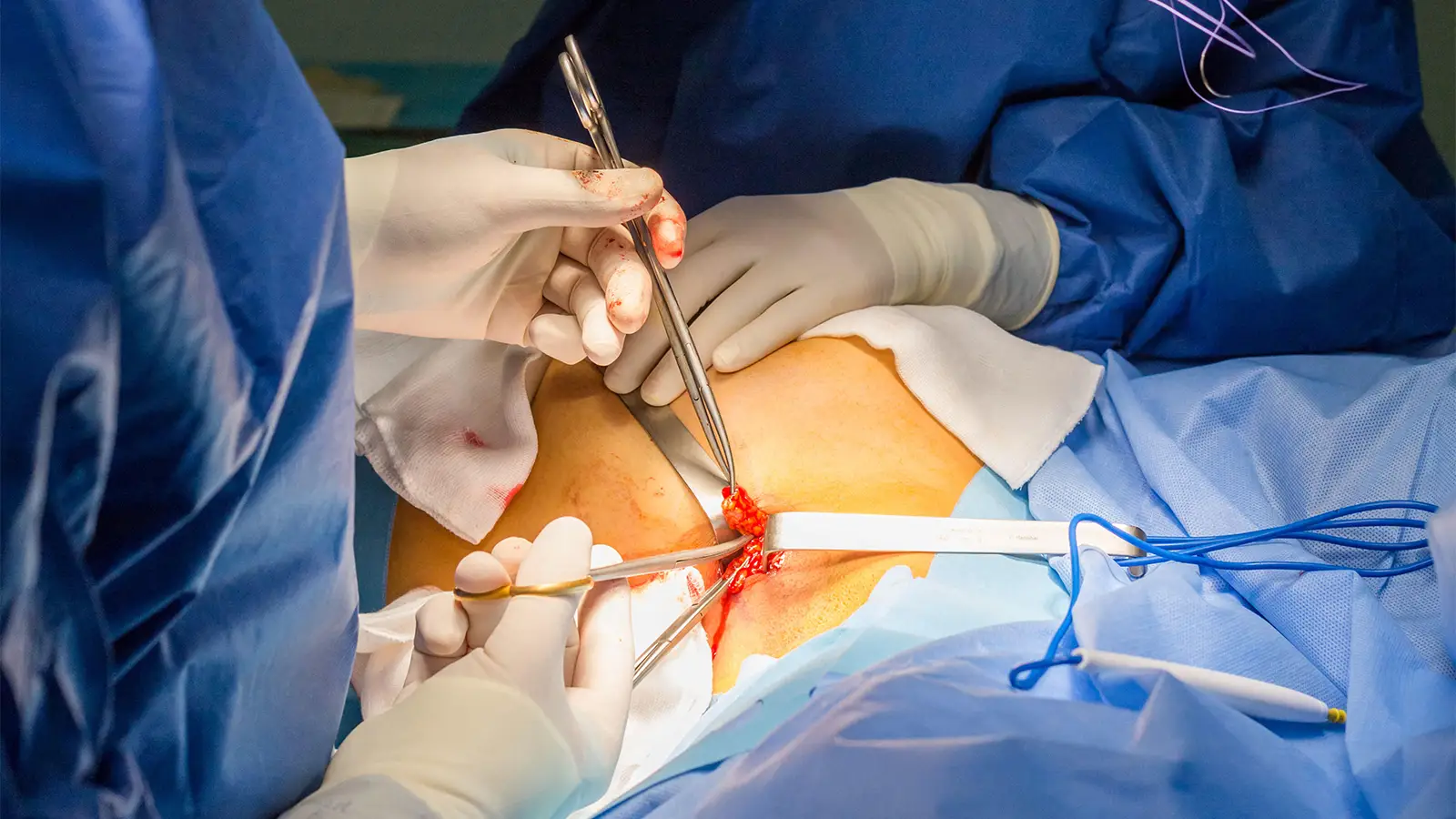
The number of women skipping sentinel lymph node biopsy (SLNB) for early breast cancer doubled over a 5-year period to become the predominant strategy for low-risk disease, a prospective study showed.
The proportion of patients who omitted SLNB increased from 25.5% in 2020 to 50.9% in 2025. Over the 5-year period, 69% of women ages 70 or older omitted SLNB, as did a third of patients ages 50-69. Almost 80% of women who omitted SLNB had partial breast irradiation (PBI) or no radiation therapy (RT).
More than 90% of women who underwent SLNB had no evidence of lymph node involvement, and a majority of those patients had PBI or no RT. Only three of 62 patients with positive SLNB results underwent axillary lymph node dissection (ALND), continuing a recent trend toward less aggressive management for low-risk breast cancer, said Matthew Hager, MD, of the Mayo Clinic in Rochester, Minnesota, at the American Society of Breast Surgeons meeting in Seattle.
"We saw a significant increase in patients selected for sentinel lymph node surgery omission from 2020 to 2025, initially in the 70-and-older age group and more recently in the 50-to-69 age group," said Hager. "Importantly, rates of radiation therapy and use of whole-breast irradiation did not increase. In fact, patients who were selected for omission of sentinel lymph node surgery had lower-risk disease and were more likely to have partial breast or omission of radiation compared to those who underwent sentinel lymph node surgery."