By any conventional measure, tax reform is slow work.
It requires legislation, political capital, institutional restructuring and, often, years before measurable gains appear in treasury accounts. Yet in 2025, a six-month pilot in Rwanda produced a fiscal result that would normally take far longer to achieve: an additional RWF 16.85 billion in value-added tax (VAT) collection compared with baseline expectations — without raising tax rates.
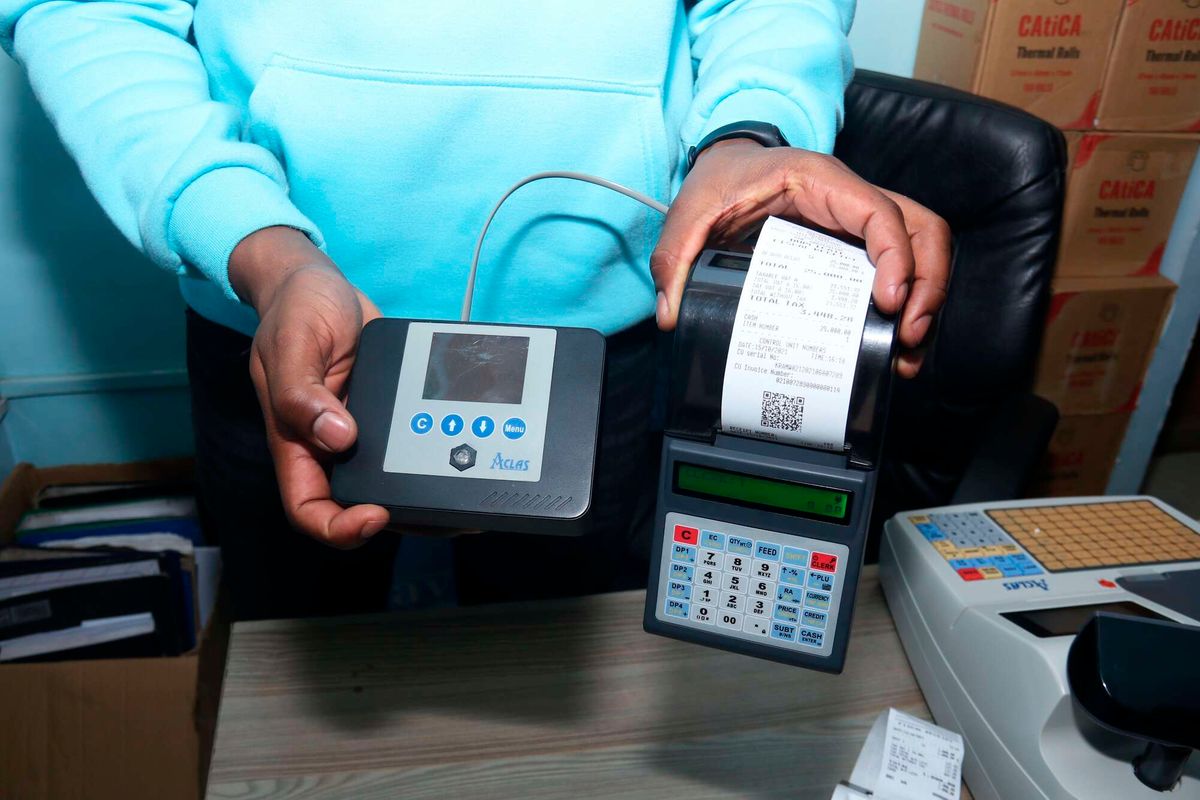
This VAT revenue was collected within Tengamara na TVA program – an initiative by the Rwanda Revenue Authority developed to reduce the VAT leakage within the B2C (Business to Consumer) segment.
The mechanism was not a new tax. Nor was it a harsher enforcement regime. It was a behavioral and legally grounded incentive.
At its core, the initiative rested on a deceptively simple proposition: reward citizens for requesting VAT-compliant electronic receipts.