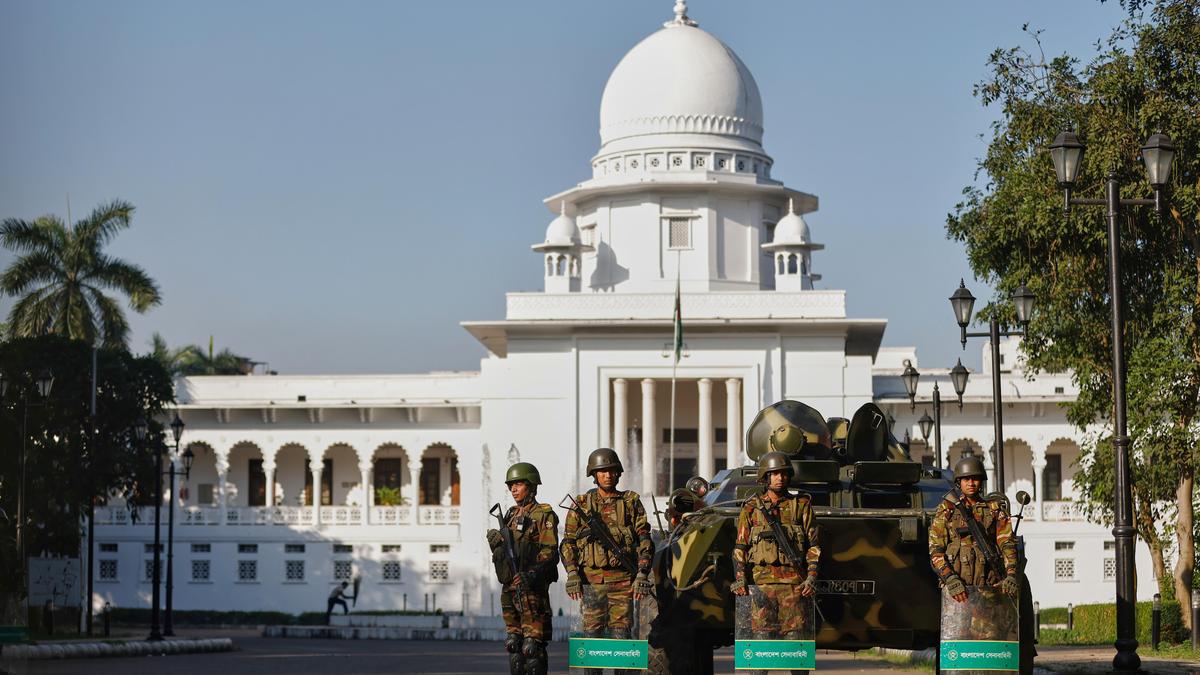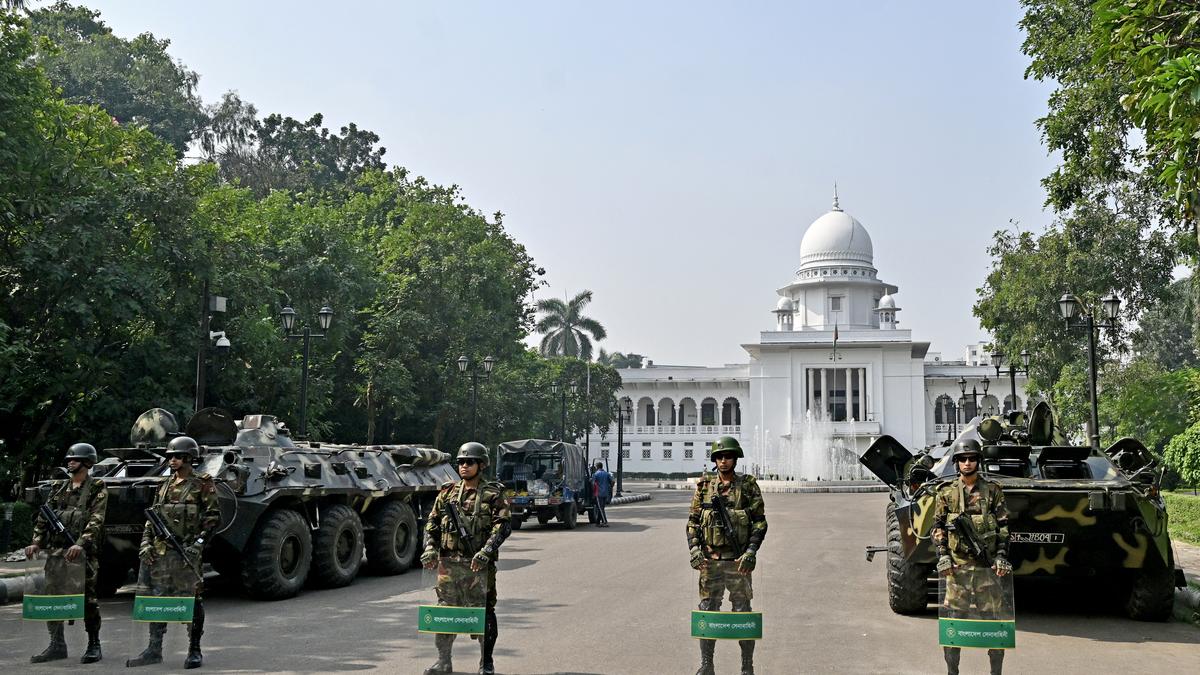
In every constitutional democracy, the judiciary stands as the final sentinel of justice, entrusted not merely with interpreting statutes but with preserving institutional balance, constitutional morality, and public confidence in the rule of law.
Courts derive legitimacy not through coercive authority but through the collective faith of citizens who believe that justice is administered impartially, irrespective of political affiliation, ideology, or proximity to power.Once that confidence begins to erode, democratic stability itself enters perilous terrain.
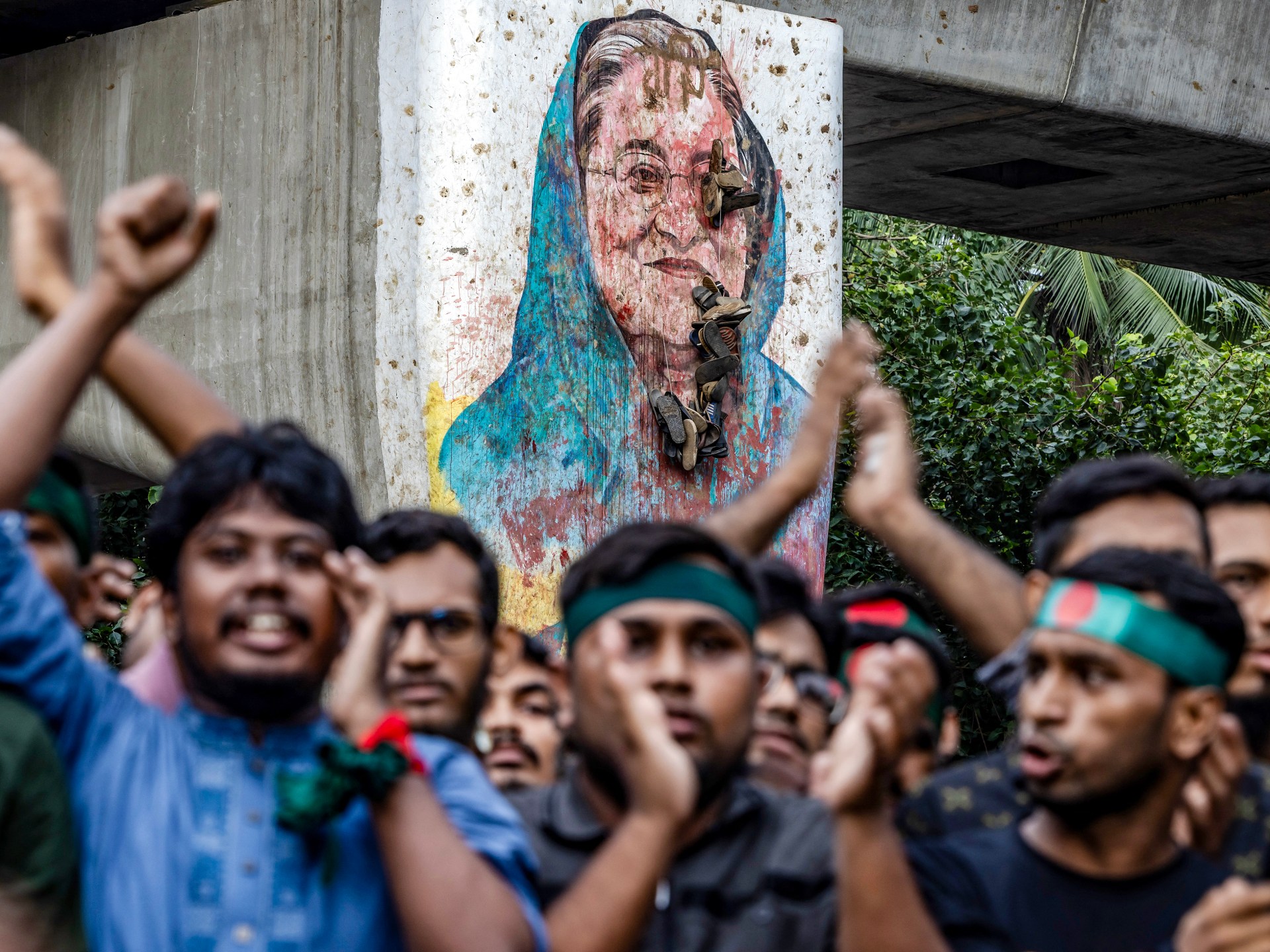
Bangladesh today confronts precisely such a moment of profound institutional anxiety following the tumultuous political transition of August 2024.The dramatic transfer of power at the time, culminating in the installation of the Muhammad Yunus-led interim administration (now replaced by the BNP government), has generated an ongoing national and international debate over judicial neutrality, political accountability, and the future trajectory of democratic governance in the country.
Also Read: I fought alongside Bangladeshi Hindus in 1971 War. Their suffering is a national emergency
Is it really accountability?