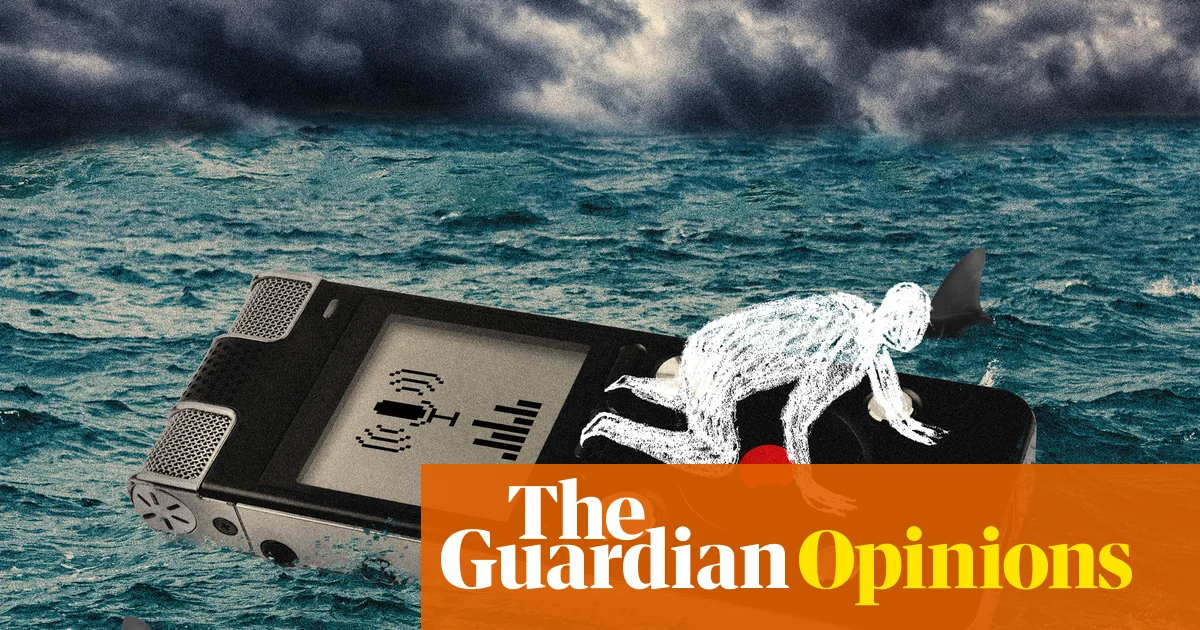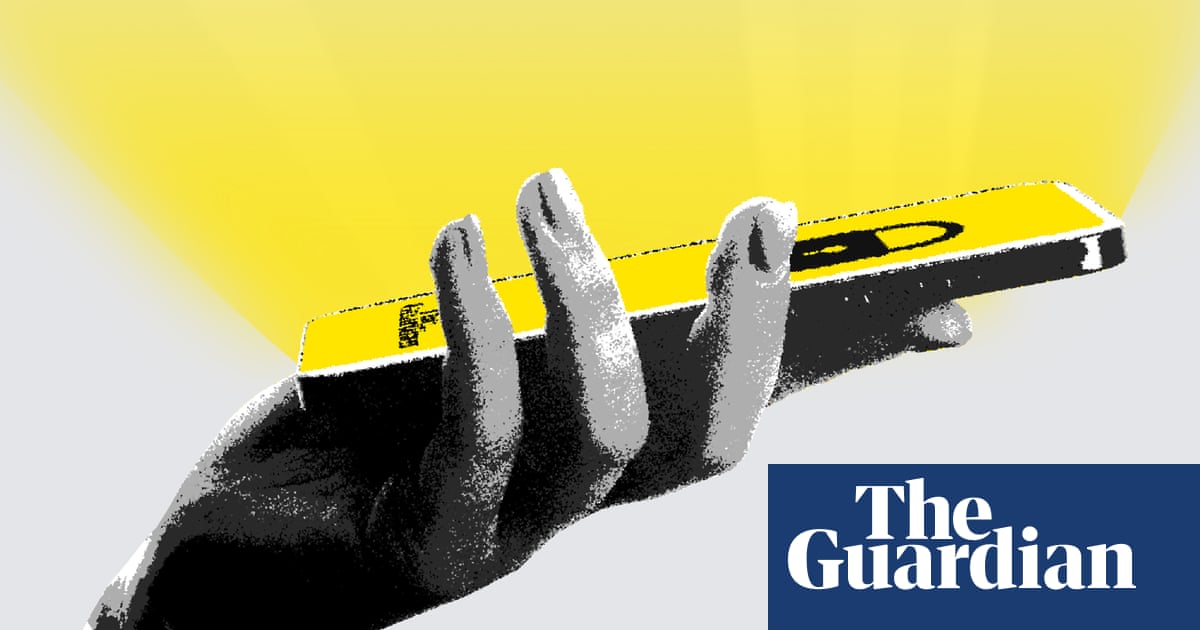
It sounds like a fundamental principle. A tenet. But, in reality, press freedom is more of a practical and relentless daily struggle.I’ve been asking colleagues from across the Guardian to tell me about one of the things they have done to protect press freedom this past year – from our international correspondents and investigative reporters to our visual journalists and commercial and technology departments.The range and scope of their responses will probably surprise you. But as the threats to independent journalism multiply, so must the measures taken to defend it.Each of the tangible actions listed below illustrates the tireless commitment and resolve of our Guardian colleagues to protect a free and independent press. However, they couldn’t have done all this without our readers, whose support makes our work possible.So, here’s one thing they did to defend press freedom – and here’s one thing you can do: support the GuardianJuliette Garside, European financial affairs editor“I worked with a team of journalists to piece together what happened to Viktoriia Roshchyna, a Ukrainian journalist who died aged 27 while investigating Russia’s ‘black sites’, where some of the worst human rights abuses take place. The Viktoriia Project was an investigation by a consortium of international media partners including the Guardian and Ukrainska Pravda, and was led by the French newsroom Forbidden Stories. In November, prison bosses at the Taganrog Sizo-2 detention centre were added to the EU sanctions list, after being identified by the Viktoriia Project.”Alex Mellon, art director“I produced an artwork to accompany an investigation into the Russian prison in Taganrog and the Ukrainian journalist Viktoriia Roshchyna. Working with very sparse images of the prison and the story, I tried to give our readers a sense of the place and highlight the abuses being carried out by the Russian state.”Luke Hoyland, product manager, investigations and reporting“I launched Secure Messaging, a new way for sources and whistleblowers to securely and anonymously reach out to the Guardian or any other news organisation that implements this free technology into their apps. Every copy of the Guardian app provides cover for these important communications, so simply by downloading the Guardian app you will help people safely speak truth to power.”“In the past year, I’ve sought to amplify the voices of independent Hungarian journalists, who have long worked in some of the EU’s toughest conditions. Their story is one of tremendous resilience, as they have steadily laid bare the accusations of corruption and cronyism that have swirled around the former government of Viktor Orbán, while fending off smear campaigns, bureaucratic hurdles designed to tie up their time and even court charges.”Paul Lewis, head of investigations“We successfully defended our investigation into the actor and director Noel Clarke in a high court libel trial.”Sirin Kale, investigations correspondent“I gave evidence in the high court in support of public interest journalism, and my sources who had bravely gone on the record with their allegations against actor Noel Clarke.”Luke Harding, senior international correspondent“I’ve covered the war in Ukraine for nearly five years and was in Kyiv in February 2022 when Vladimir Putin’s forces invaded. The conflict is now a war of drones and technology. The Guardian recently bought a $400 drone detector, which we take with us on trips to the frontline. It shows live video of the drone’s view. If it’s your vehicle you need to run. The detector is a practical contribution to press freedom: the freedom to report from dangerous areas, talk to soldiers and civilians, and return safely. Such trips are expensive. We are grateful for your support. It allows us to cover the biggest and most consequential war in Europe since 1945.”The drone detector our reporters have been using in Ukraine Photograph: Alessio Mamo/The GuardianImogen Fox, global chief advertising officer“Many advertisers are scared to advertise against news journalism in case news events somehow reflect badly on them. It has become a huge threat to the business model of news. I spent the year encouraging more than 500 advertisers to fund real and vital reporting. In addition, we don’t take fossil fuel and gambling advertising. So when you notice ads on the Guardian, you’re supporting our mission too.”
One thing Guardian staff have done to defend press freedom … and one thing you can do
What does defending press freedom mean in practice? We asked people across the Guardian to tell us something they have done to protect it this past year. The range of responses will likely surprise you
1,664 words~8 min read