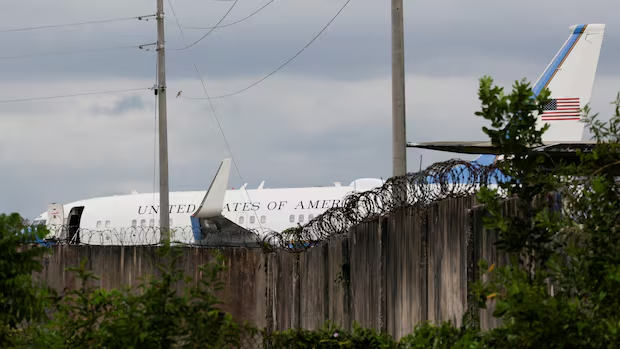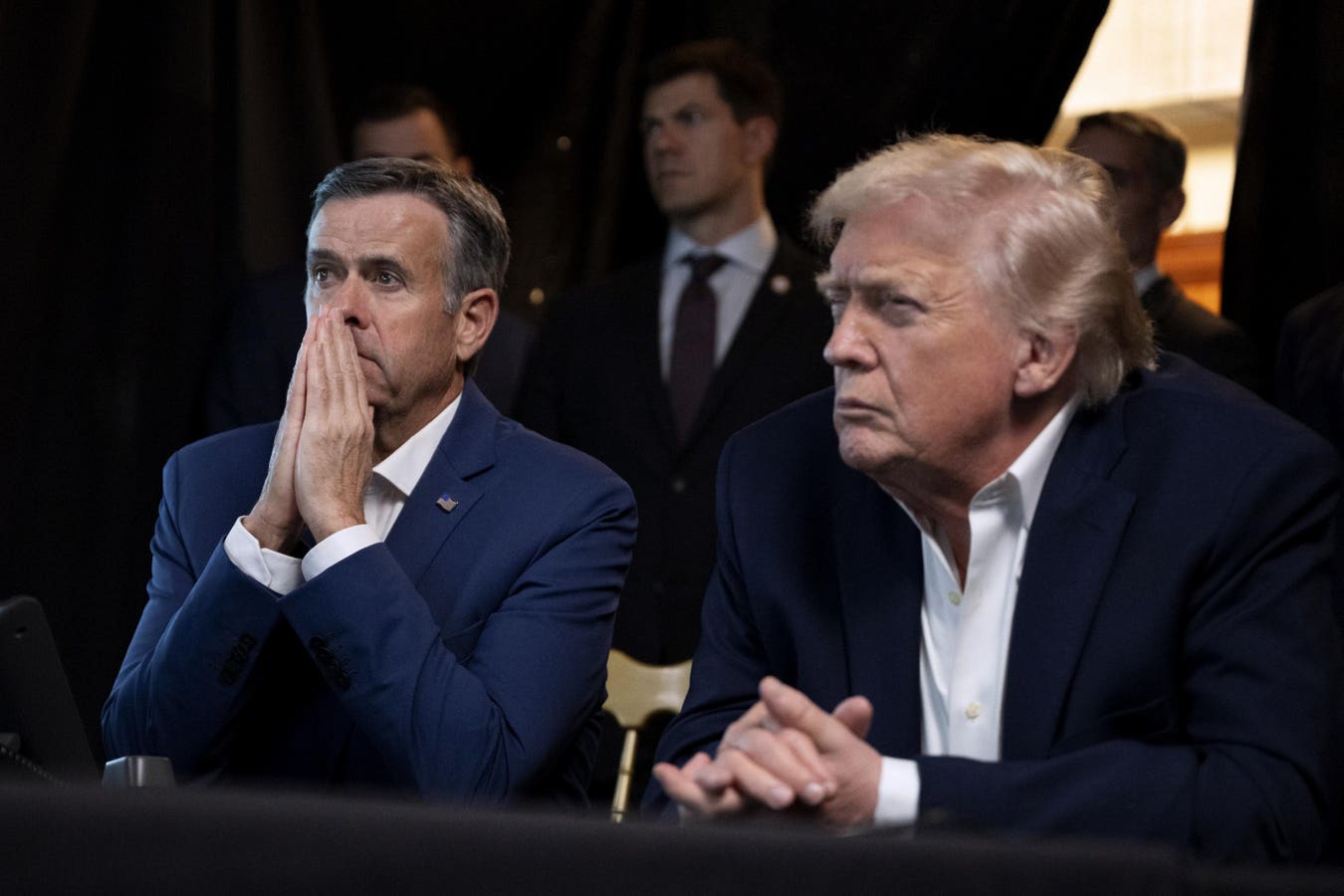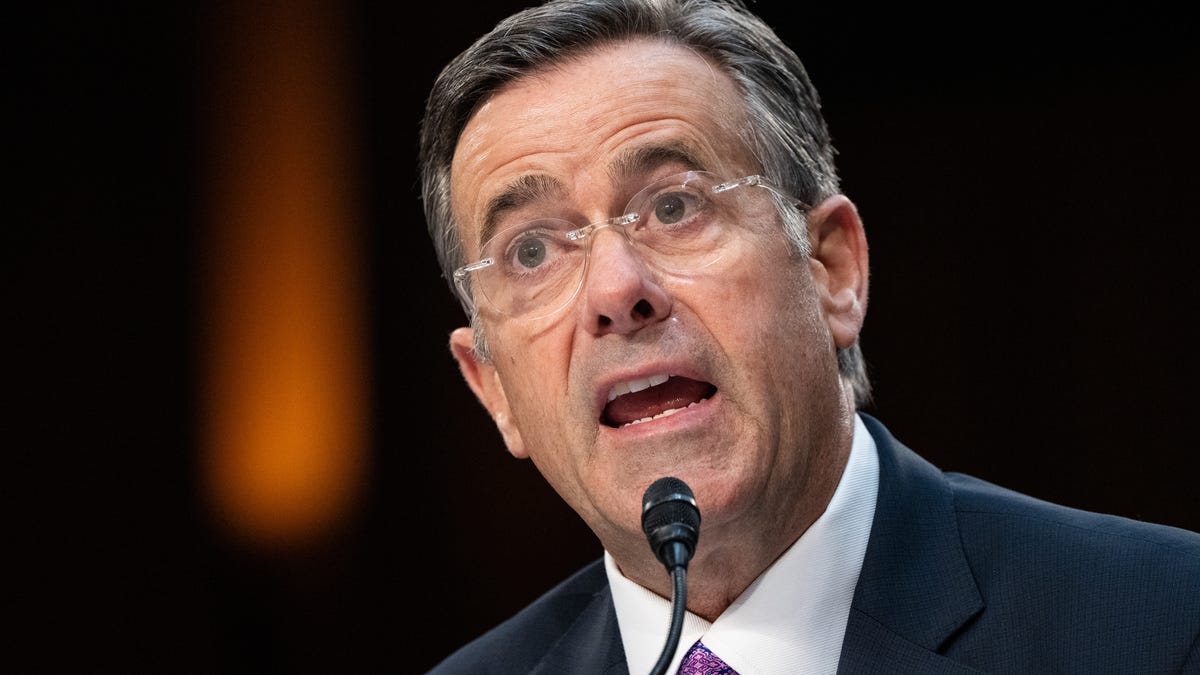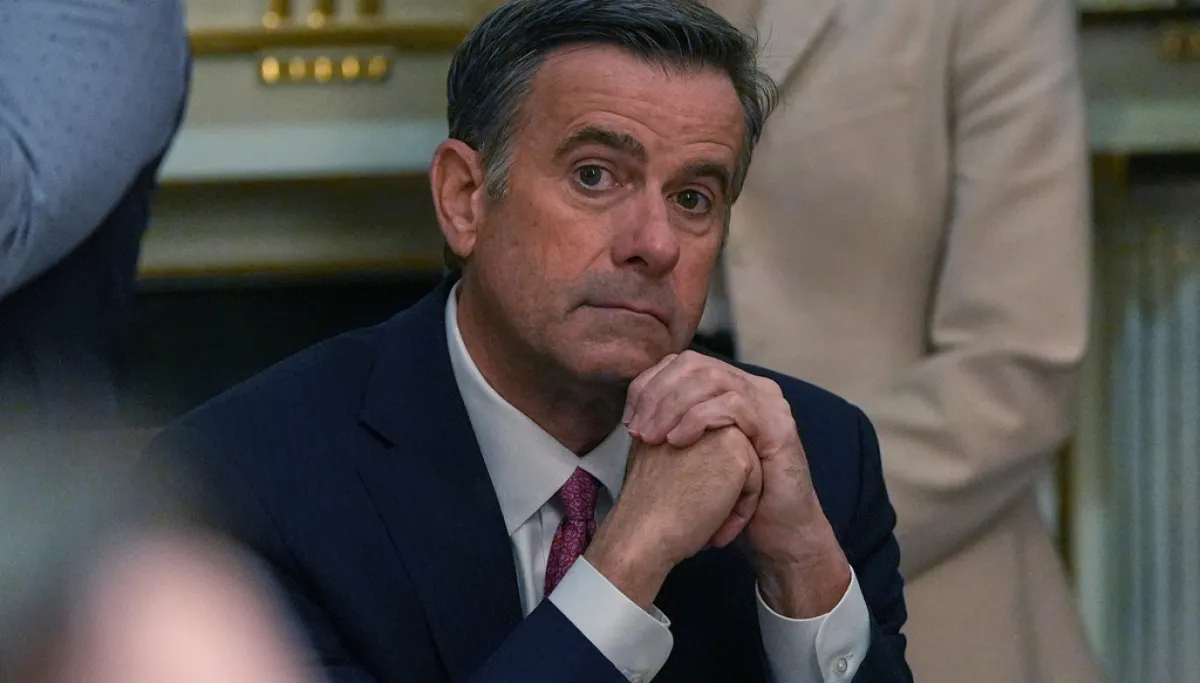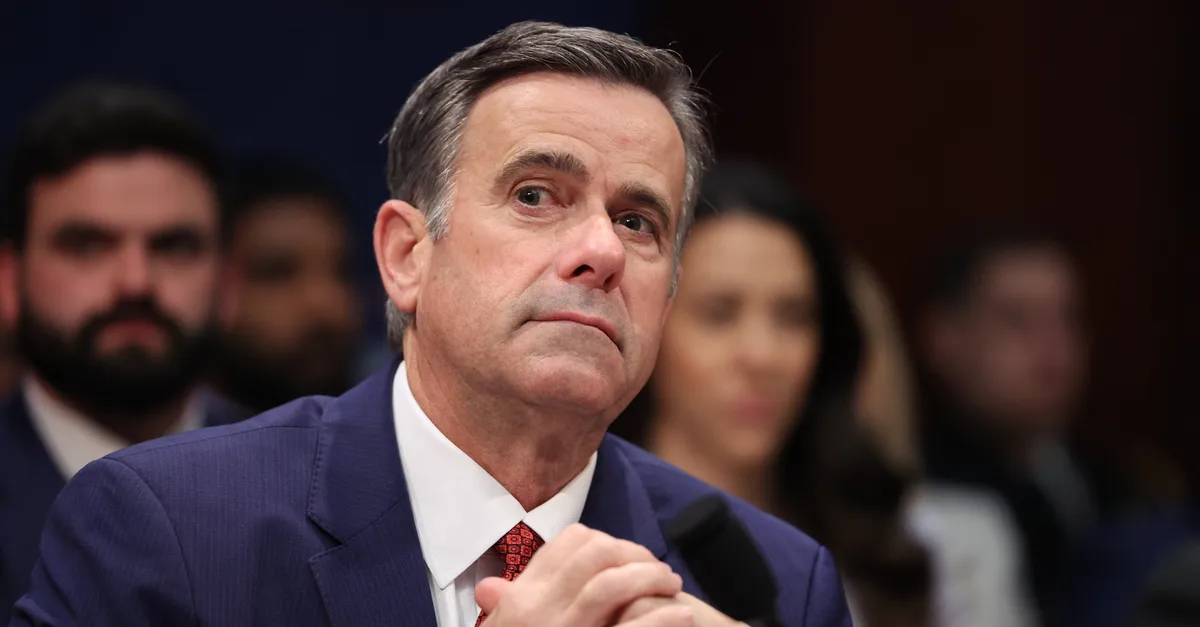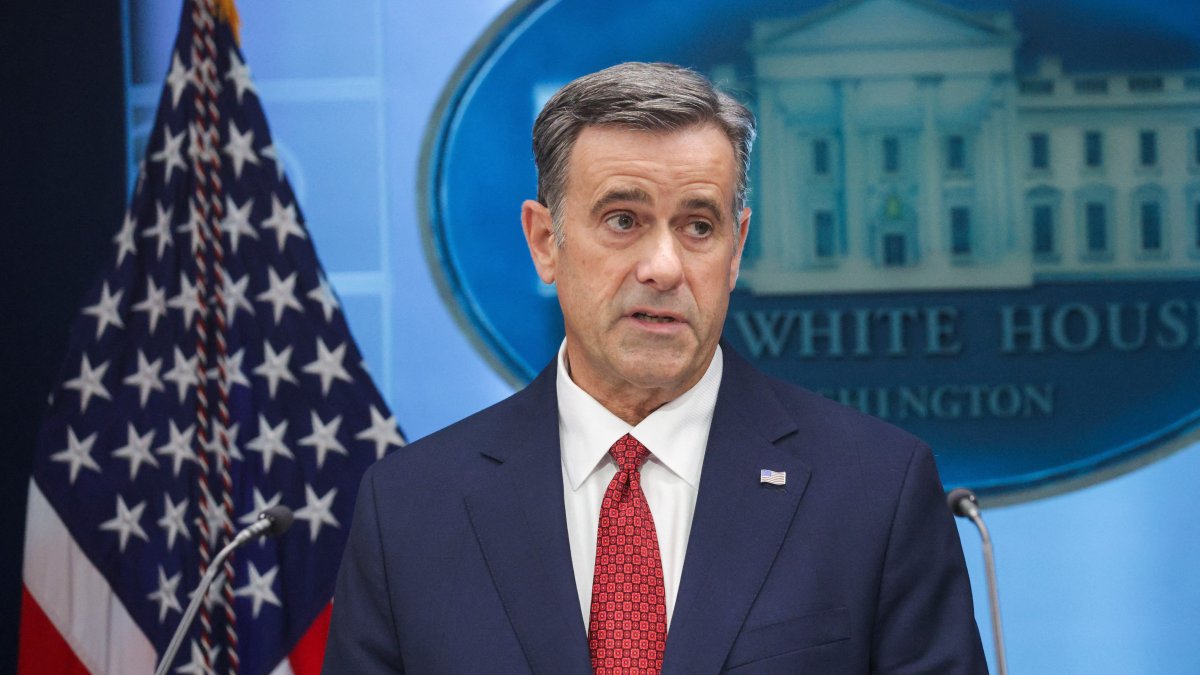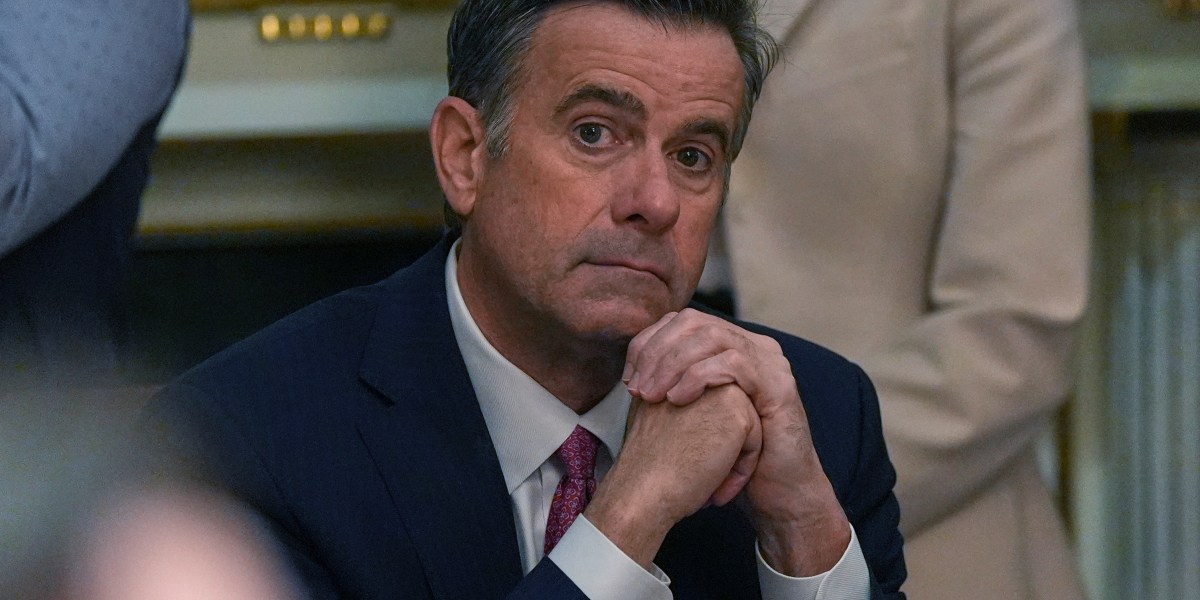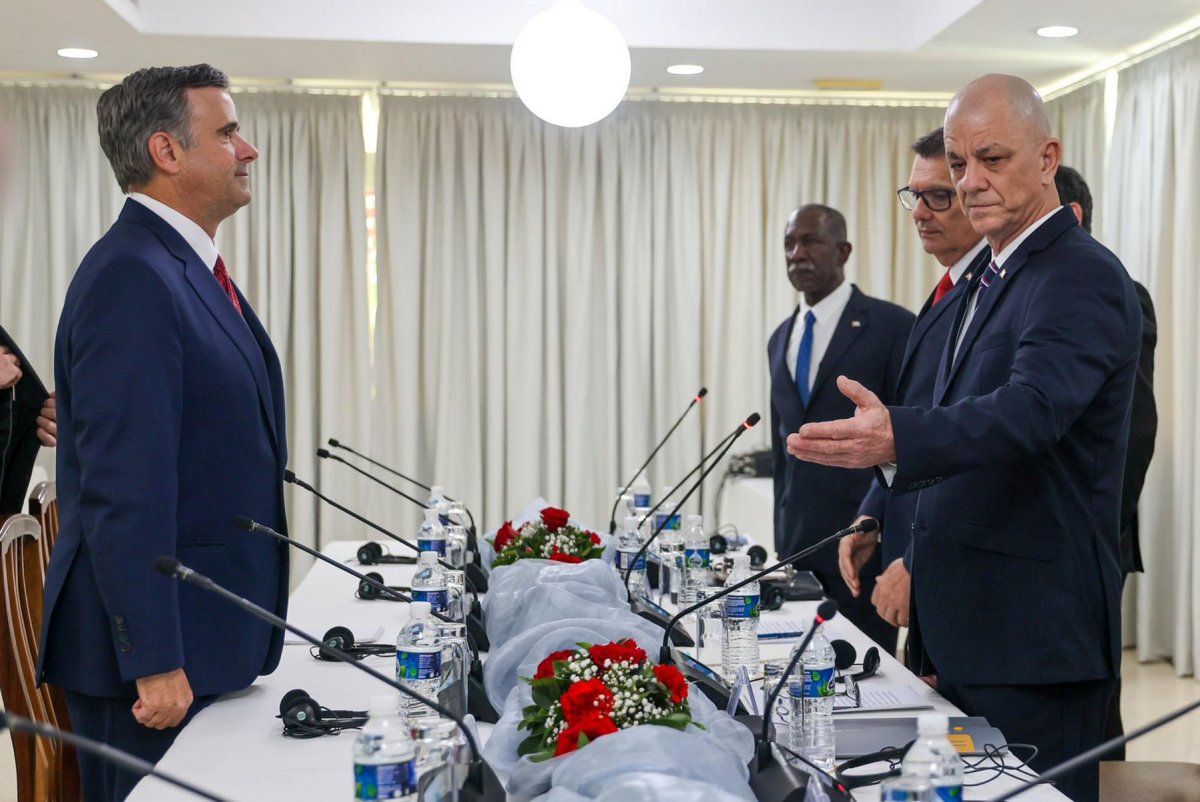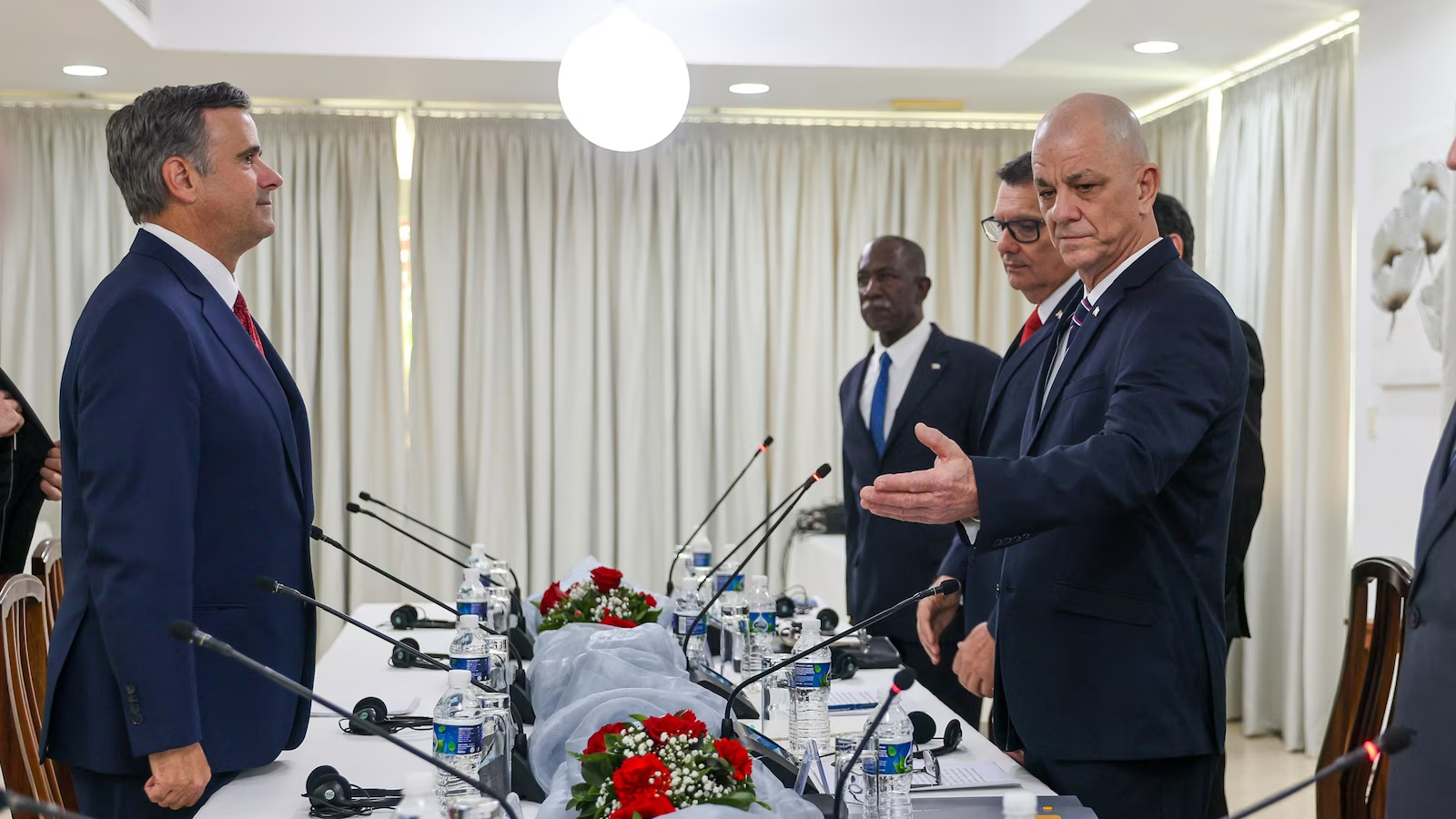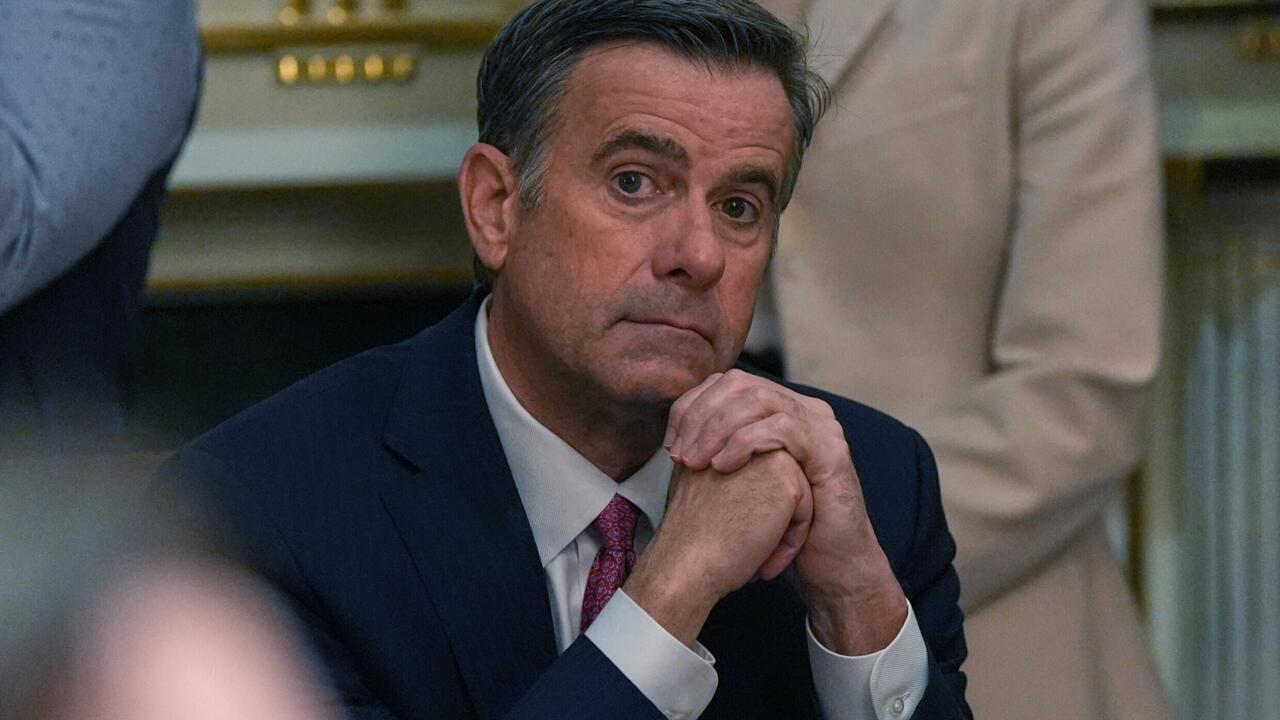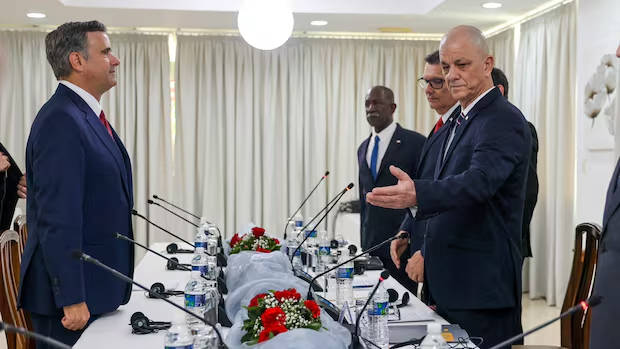
WorldU.S. President Donald Trump's maximum pressure campaign on Cuba now includes overtly dispatching a spy chief to Havana to ensure that his demands are clear.CIA Director John Ratcliffe sat down for a not-so-secret meeting in Havana this weekGeoff Nixon · CBC News · Posted: May 16, 2026 4:00 AM EDT | Last Updated: 6 hours agoListen to this articleEstimated 5 minutesThe audio version of this article is generated by AI-based technology. Mispronunciations can occur. We are working with our partners to continually review and improve the results.The U.S. Central Intelligence Agency published several images of a meeting involving CIA Director John Ratcliffe and Cuban officials that took place in Havana on Thursday. (CIA/X/Reuters)It was a not-so-secret meeting, which saw U.S. President Donald Trump, not for the first time, dispatch the head of the Central Intelligence Agency to attend and deliver a message on his behalf.CIA Director John Ratcliffe's visit to Havana to meet with Cuban officials on Thursday was disclosed by both sides, seemingly marking a departure from typical practices when the spy agency's leader goes abroad."The CIA director's travel is usually extremely secretive," said former U.S. diplomat Cécile Shea, when speaking to German broadcaster Deutsche Welle. "The fact that it is public from both sides ... is unusual."The CIA even released photos of Ratcliffe's meeting with Cuban officials, and at least one journalist captured images of the spy chief boarding his flight home on a conspicuously marked U.S. government plane parked on a tarmac in Havana.Ratcliffe is seen boarding a U.S. government plane in Havana on Thursday. (Norlys Perez/Reuters)The Cuban government didn't hide the existence of the meeting either, issuing a statement saying that the U.S. had requested it take place. Officials there said they presented evidence to the U.S. that Cuba "does not constitute a threat to U.S. national security." The corresponding message that Ratcliffe delivered from Trump — according to unnamed CIA officials who spoke to media — was that the U.S. is willing to engage with Havana on key issues, but only if "fundamental changes" are made in Cuba.Observers see Trump's decision to send a spy chief to sit down with Cuba as indicative of a president who doesn't trust a traditional diplomat to get the job done, while also setting a tone with his choice of messenger."Using CIA assets instead of U.S. diplomats is meant to increase pressure on the Cuban regime and signal Washington’s seriousness," Imdat Oner, a senior fellow at Florida International University and former Turkish diplomat who served in Latin America, said via email.The Trump administration has been ramping up pressure on Cuba this year, widening sanctions against its government, threatening action against it, flying spy planes over the island and squeezing its ability to import fuel. As the week came to a close, reports emerged that the Trump administration plans to seek an indictment against former Cuban leader Raúl Castro.WATCH | U.S. eyes possible indictment of former Cuban leader:U.S. preparing indictment of Raúl Castro, reports sayMay 15|Duration 4:08The U.S. Justice Department is reportedly readying an indictment of former Cuban leader Raúl Castro, the brother of Fidel Castro. The CIA director is currently visiting Cuba as a U.S. energy blockade causes a fuel crisis on the island.The Cuban government has slammed the ongoing U.S. actions, but has struggled to manage the mounting challenges to its economy, fuel supply and ability to deliver services to its people.Not necessarily unusualRetired U.S. diplomat Lawrence Gumbiner sees Trump's decision to send a spy chief to relay his talking points as in keeping with his style of sending hand-picked envoys abroad — such as his son-in-law Jared Kushner or Steve Witkoff — rather than professional diplomats.WATCH | Fuel concerns and a not-so-secret meeting in Havana:As Havana declares it's out of fuel, CIA director meets with Cuban officialsMay 14|Duration 9:58CIA Director John Ratcliffe met with Cuban officials, including Raúl Castro's grandson, during a high-level visit to the island, Cuban and U.S. officials said. Earlier this year, U.S. President Donald Trump threatened tariffs on any country who sent fuel to Cuba."President Trump values loyalty over experience and utilizes his personnel without regard to normal diplomatic roles," said Gumbiner, who previously served as the chargé d'affaires for the U.S. Embassy in Havana."The White House does not trust the U.S. diplomatic corps, and Trump often turns to non-traditional envoys," he said by email.Gumbiner noted that U.S. Secretary of State Marco Rubio — who travelled with Trump for his visit to China — had previously been engaged on the Cuba issue and would likely take a lead role on any major negotiations to come.U.S. Secretary of State Marco Rubio travelled with Trump for the president's three-day visit to China. (Mark Schiefelbein/The Associated Press)Gumbiner also pointed out that it's not necessarily unusual for a spy chief to talk to leaders abroad."Although not frequent, deploying the CIA chief on diplomatic missions is not unheard of and therefore not that surprising," said Gumbiner, pointing to globe-trotting missions that Ratcliffe's predecessor, William J. Burns, a career diplomat, was sent on during Joe Biden's presidency.Gumbiner said Burns' "tremendous diplomatic skills" allowed Biden to rely on him for sensitive issues around the globe.News reports from Burns' tenure as CIA chief, identified him as meeting, at various points, with Ukrainian President Volodymyr Zelenskyy, Russian President Vladimir Putin, and Taliban political leader Abdul Ghani Baradar, among others. Trump, Venezuela and the CIAEarlier this year, Ratcliffe was dispatched for another such meeting with a foreign leader: He was in Caracas within two weeks of the ousting of Venezuelan president Nicolás Maduro, to meet with Delcy Rodríguez and other officials.Reuters, citing a U.S. official, then reported that Trump directed Ratcliffe "to deliver the message that the United States looks forward to an improved working relationship."A vintage car drives down a road in Havana on Friday, near a billboard featuring the images of the late Fidel Castro, former Cuban leader Raúl Castro and Cuban President Miguel Díaz-Canel. (Norlys Perez/Reuters)Florida International University's Oner believes that Trump sees potential for the U.S. to achieve similar results in Cuba to what happened in Venezuela — and the CIA was integral to what was achieved in Caracas."In Venezuela, Trump similarly relied on CIA channels to pressure Maduro and explore operational options," said Oner.In the case of Cuba, Oner said "the CIA is clearly probing the regime's internal dynamics and exploring whether elements within the Cuban power structure are willing to negotiate a political shift."As in Venezuela, the expectation in Washington is to weaken or remove the existing ruling circle and replace it with a leadership more open to co-operation with the United States, politically, economically, and strategically."
In spies he trusts? Trump looks to CIA chief, rather than a diplomat, to talk to Cuba | CBC News
U.S. President Donald Trump's maximum pressure campaign on Cuba now includes overtly dispatching a spy chief to Havana to ensure that his demands are clear.
1,100 words~5 min read