Mamata Banerjee may have lost Bengal, but she has no intention of leaving the frame. First, she refused to resign as chief minister and now days after her crushing poll defeat, Didi has taken it a notch up and appeared in a new avatar, ready to take on the establishment single-handedly.
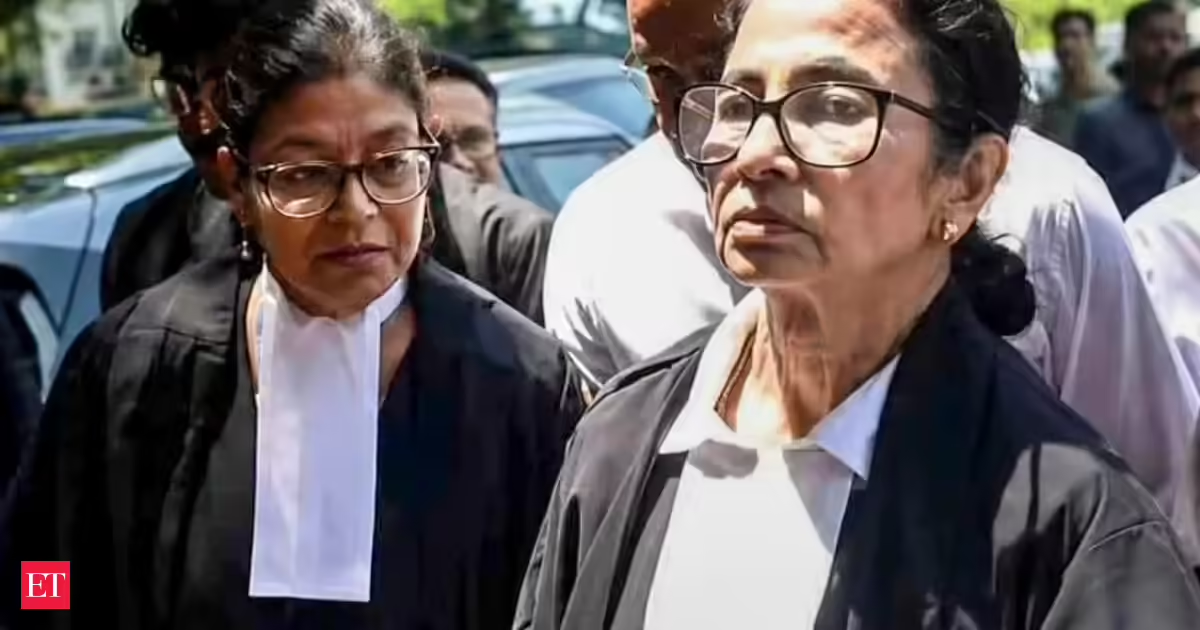
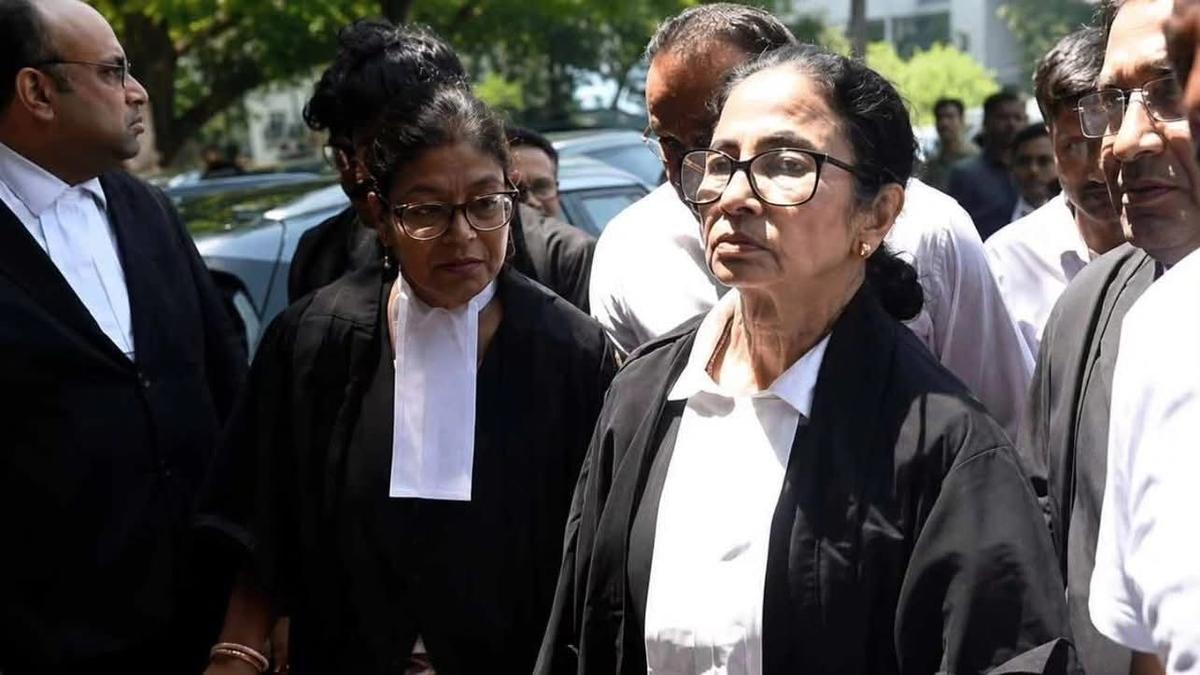
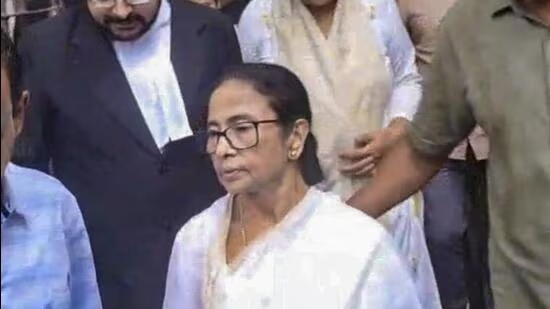
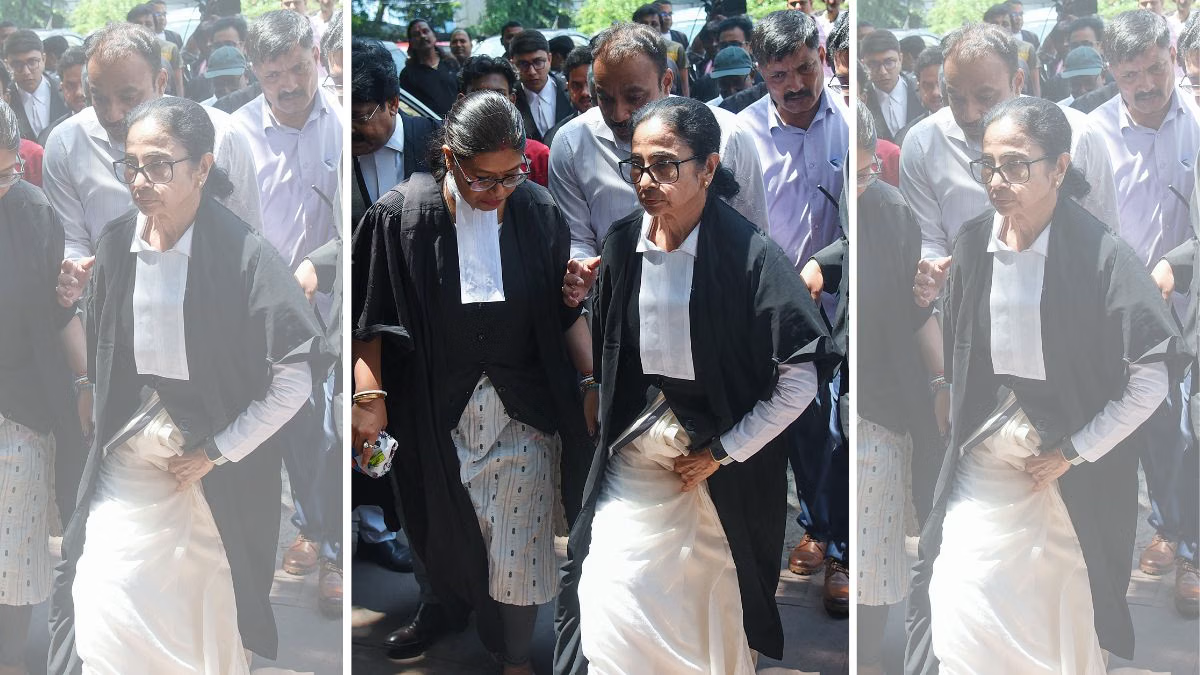
On Thursday, the 71-year-old walked into the Calcutta High Court in a black lawyer’s coat and advocate bands to appear in a post-poll violence case herself. But she didn’t leave vintage Mamata behind. Underneath the gown, visible enough to miss only if you haven’t seen Didi, BA, LLB, ever before, was her trademark white saree with blue border. Chin up, she strode into the court surrounded by male lawyers and ‘chor, chor’ slogans and took a seat. It was classic Mamata again: a hint of theatre, a lot of anger and in today’s Reel generation — a meme template.Then came the perfect second act. As spicy as the Bengal election season was this year, extra masala was thrown in the meat by the Bar Council of India, which stepped in to essentially ask Mamata: ‘One minute, Didi, documents please?’
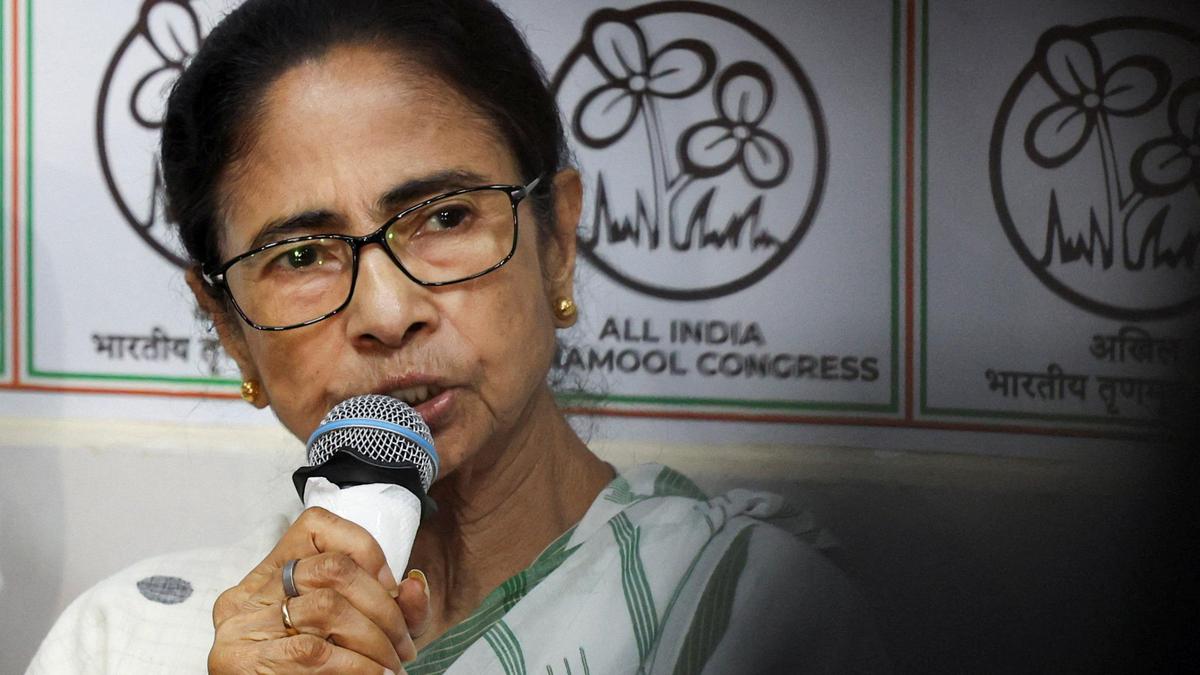
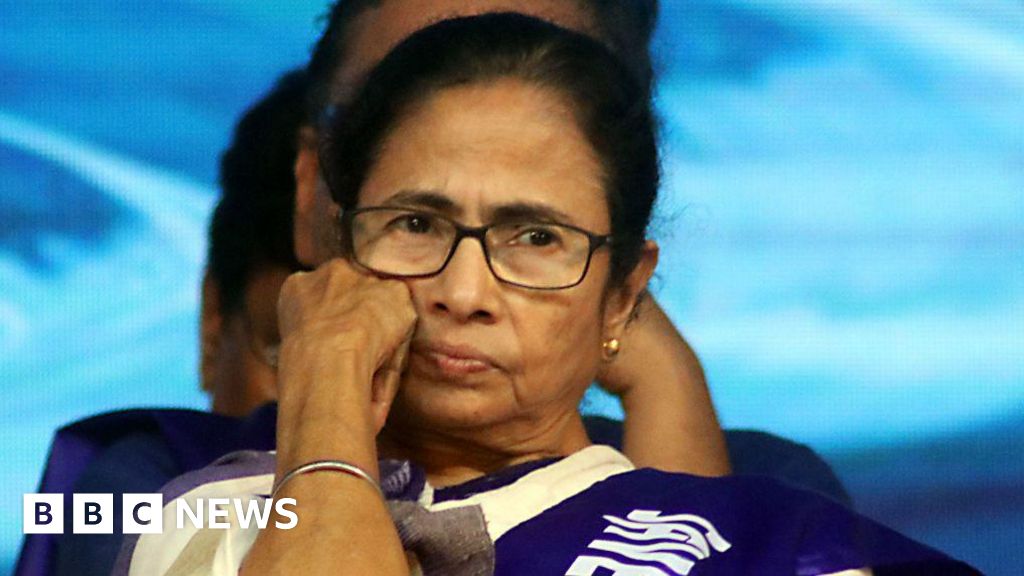
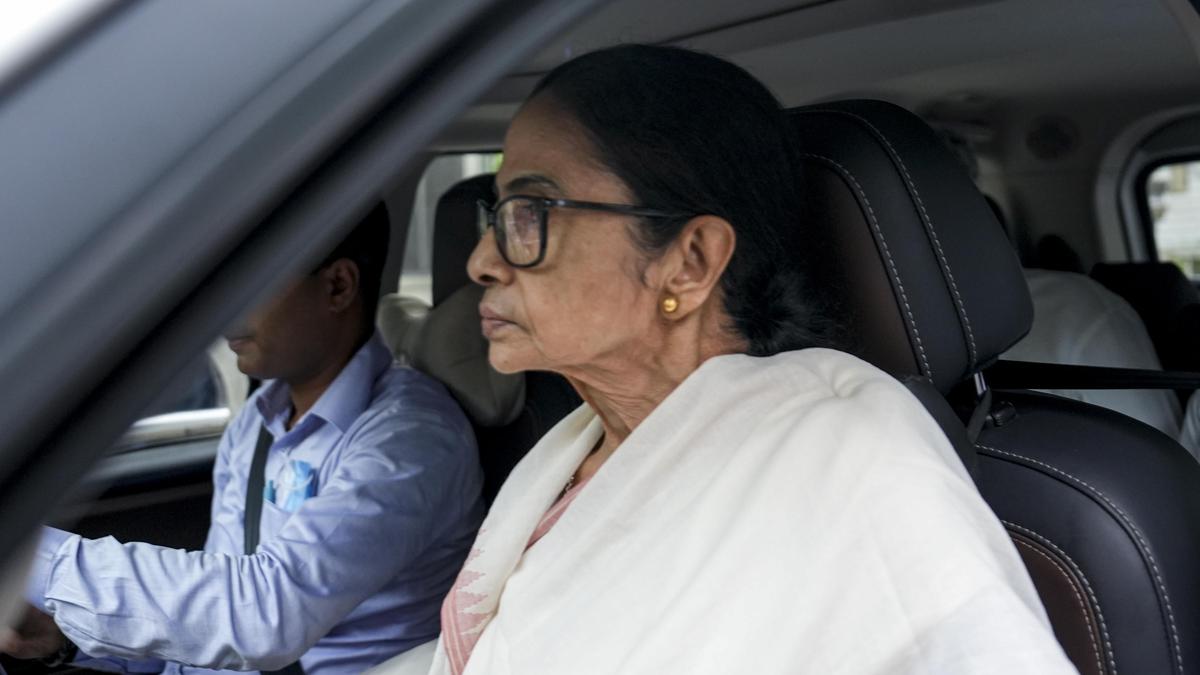
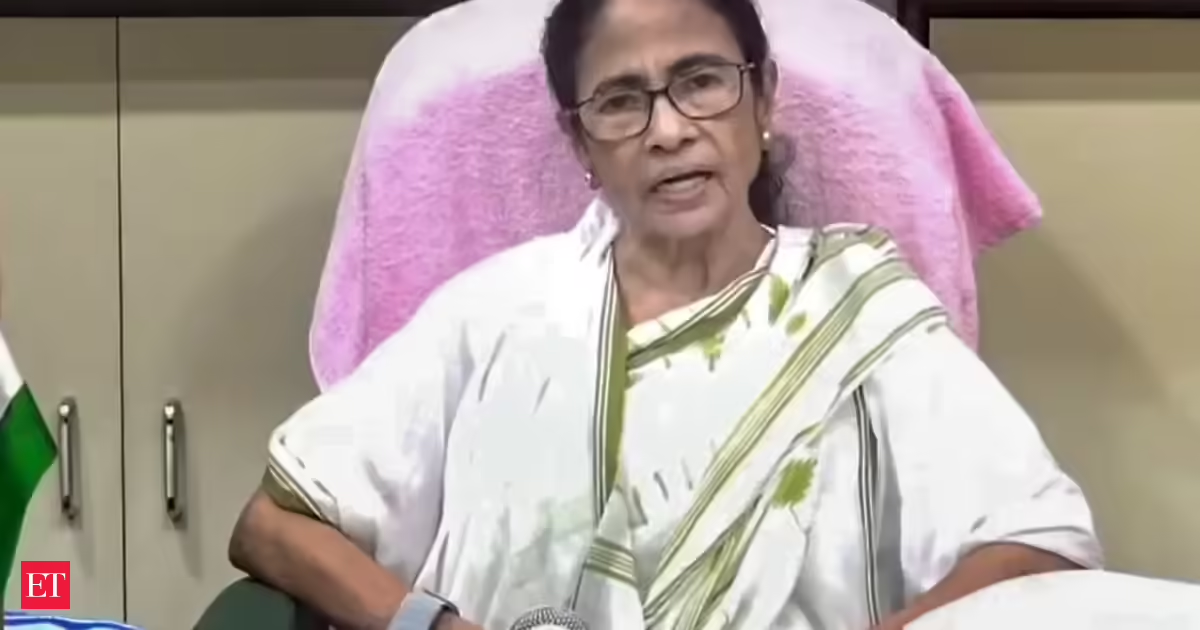
The whole thing was so perfectly Mamata that Bengal practically wrote the punchlines itself.For years, Mamata treated visual politics like a full-contact sport. She and Narendra Modi have that (and much more) in common. She built an entire political identity around being visually unmistakable but she did it with unremarkable clothing.The simple cotton sarees, durable rubber chappals, hair tied down and glasses — became her public uniform.But with this almost stereotypical politician’s outfit, she wore brazen confidence on her sleeve. She claimed that she can speak in several languages, she (barely) paints, writes (supposed) poems, sings, dances, even jogs backwards. She — Mamata says so herself — can do it all. So of course, she can fight her own case, just like she did a few months ago when she presented arguments in the Supreme Court in the SIR case. She is the permanent street fighter, always ready for the next punch, even after a knockout.Didi’s visual politics