A
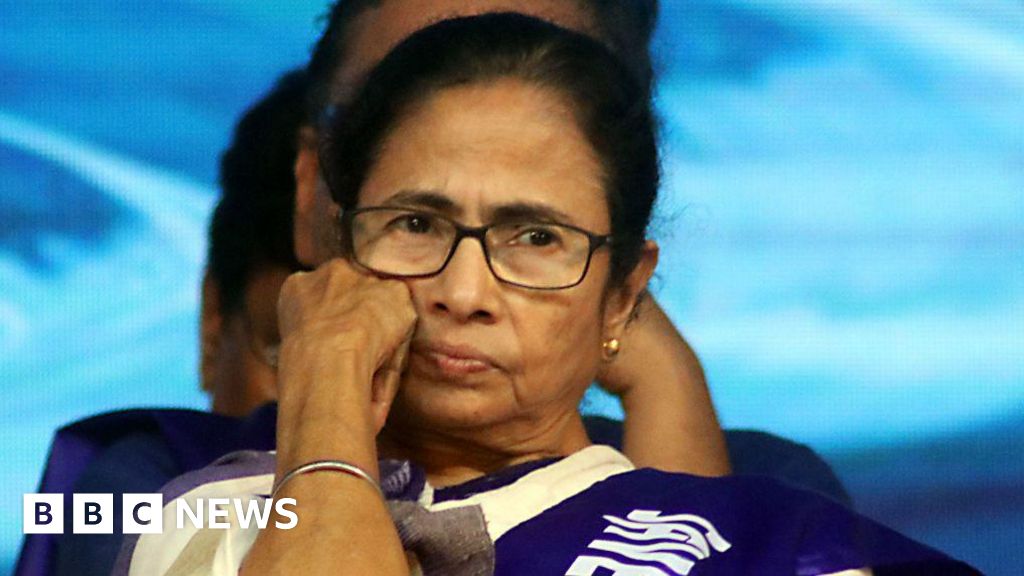
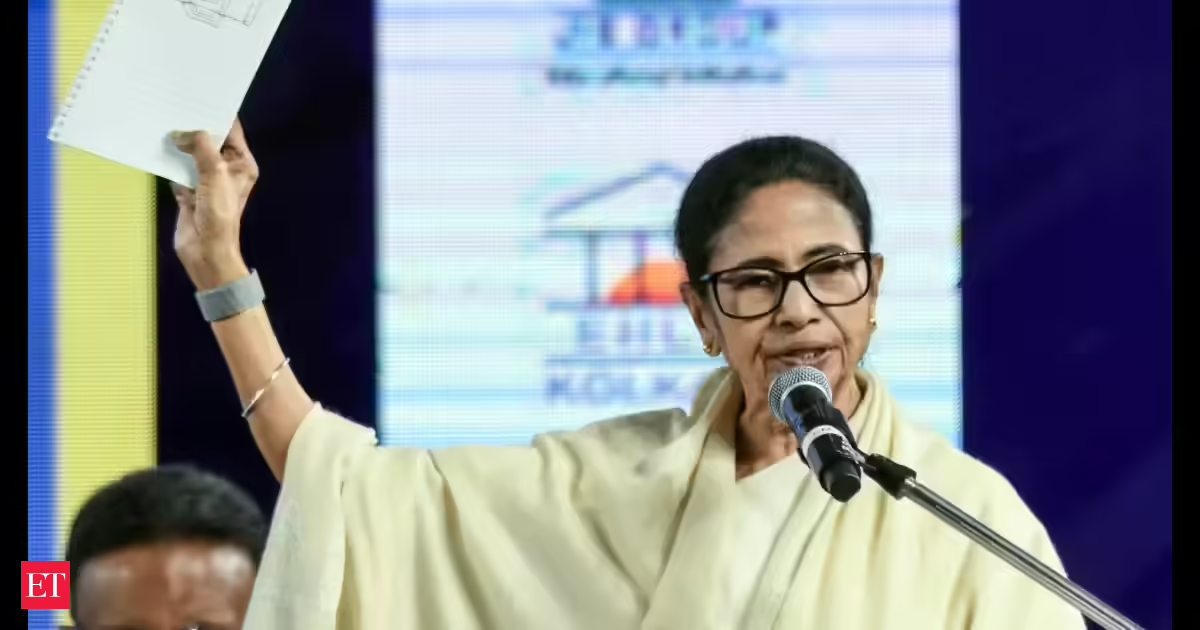
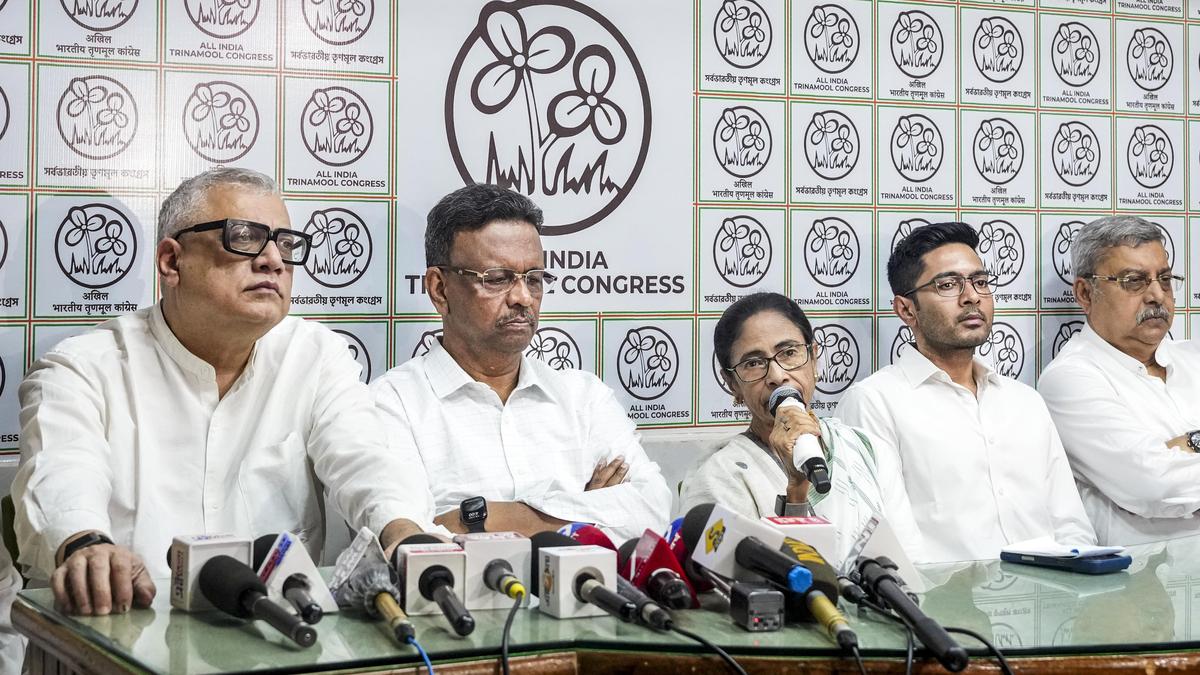
day after the Trinamool Congress (TMC) lost the West Bengal elections to the BJP, party chairperson Mamata Banerjee on May 5 said she would not resign as Chief Minister, alleging that the verdict was the result of a “conspiracy” rather than the people’s mandate. Addressing a press conference, Ms. Banerjee claimed the elections had not been conducted fairly and accused the BJP of misusing central forces to “forcibly capture” booths and influence the outcome. She added that the party would challenge the results and continue its political fight.
Article 164(1) of the Constitution provides that “the Chief Minister shall be appointed by the Governor and the other Ministers shall be appointed by the Governor on the advice of the Chief Minister, and the Ministers shall hold office during the pleasure of the Governor.” On a literal reading of the provision, therefore, the Governor appears to possess the authority to remove a Chief Minister from office. However, members of the Constituent Assembly had cautioned that such a provision could potentially lend itself to an arbitrary exercise of gubernatorial discretion.