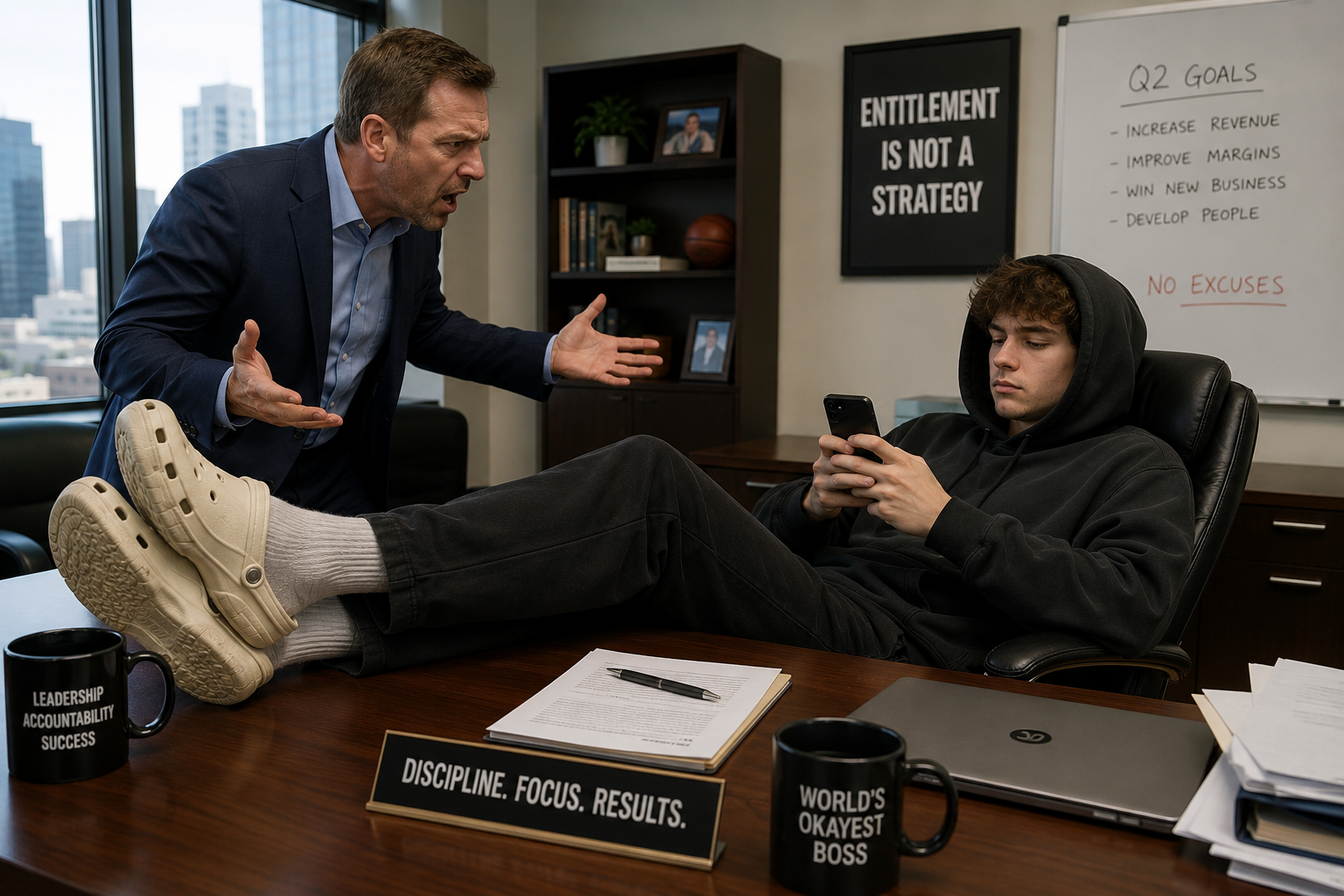
Gen Z are workshy teetotallers. They’re chronically online. They care more about sustainability than any generation before them. These sweeping statements litter headlines, crop up in conversation and get trotted out on social media. They’re mostly harmless… until they enter the boardroom.
Whether your perception of Gen Z is shaped by real-world interactions or two-dimensional headlines, pigeonholing a whole generation is reductive. It’s also an increasingly unreliable way of understanding the people you want to target.
Yet, leaders are still leaning into these generalisations and letting them harden into assumptions. Such assumptions consciously and unconsciously shape decisions: who gets hired, which products get built and which campaigns get greenlit.
In hiring, age-based discrimination is causing leaders to overlook talent. Over a quarter of leaders say they wouldn’t consider hiring a recent college graduate, citing their perceived lack of soft skills. This is shortsighted, given that Gen Z will make up nearly a third of the workforce by 2030.
In marketing, the commercial risks are just as real. Dating app Bumble’s ill-judged 2024 campaign leaned into the stereotype of Zoomers as a near-celibate generation, and it went down like a lead balloon.