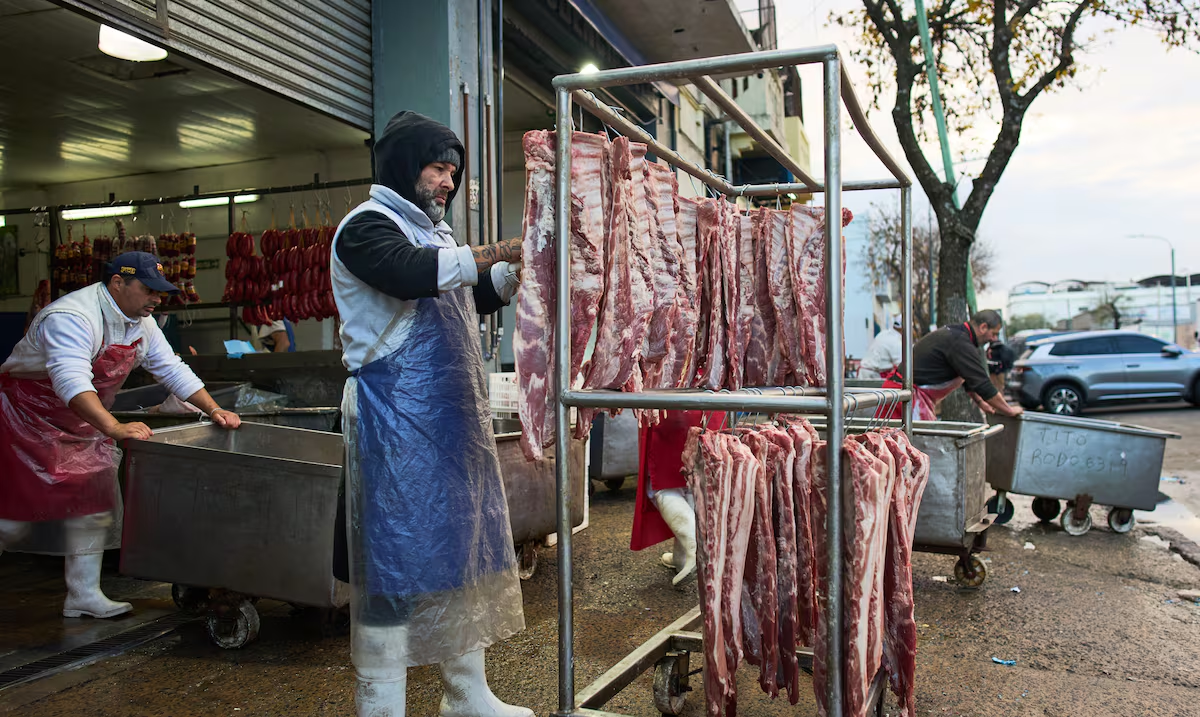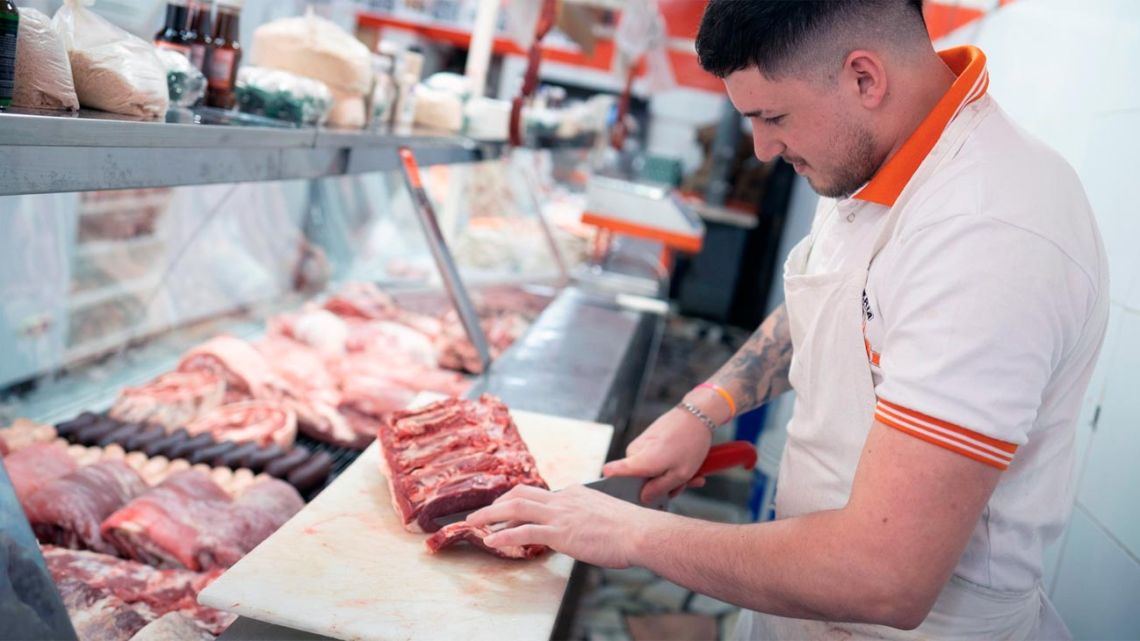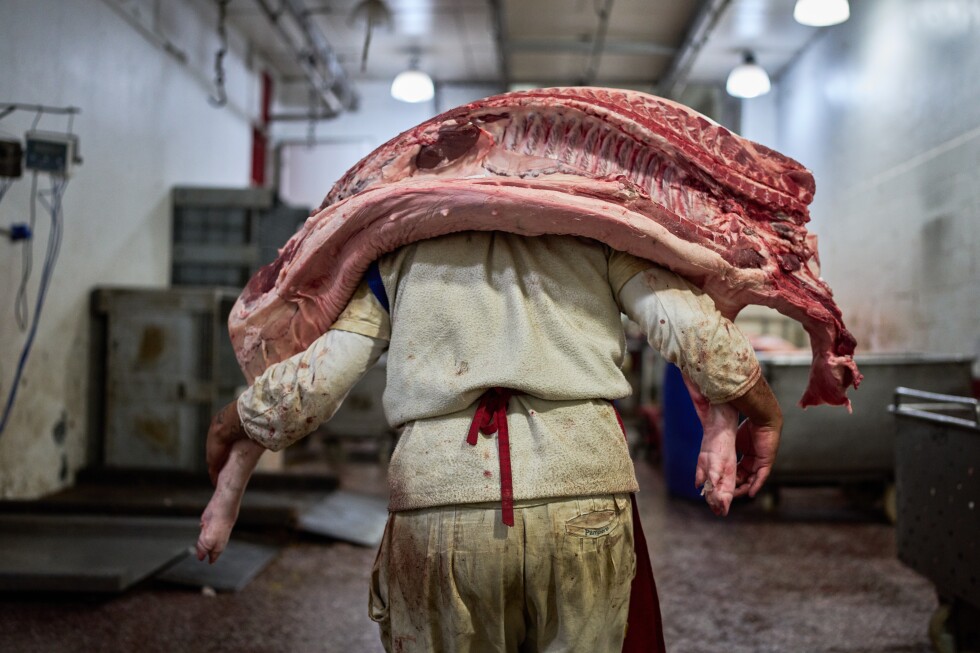
BUENOS AIRES, Argentina (AP) — At 6 a.m., in the Mataderos neighborhood of Buenos Aires, workers unload sides of beef from a truck outside a butcher shop as customers line up for wholesale purchases. Inside, 73-year-old owner Jorge García and his staff prepare meat orders before dawn.Among the stacks of beef boxes and red meat cuts hanging from metal hooks, chicken and pork are increasingly present.Red meat consumption in Argentina — historically one of the world’s biggest consumers of beef — has fallen to its lowest level in two decades amid economic austerity measures imposed by libertarian President Javier Milei.As of April 2026, annual per capita beef consumption fell to 44.5 kilograms (98 pounds), down from 49.5 kilograms (109 pounds) during the same month a year earlier, according to the Agricultural Foundation for Argentina’s Development. In 2006, it was 63.4 kilos (139 pounds) per person.
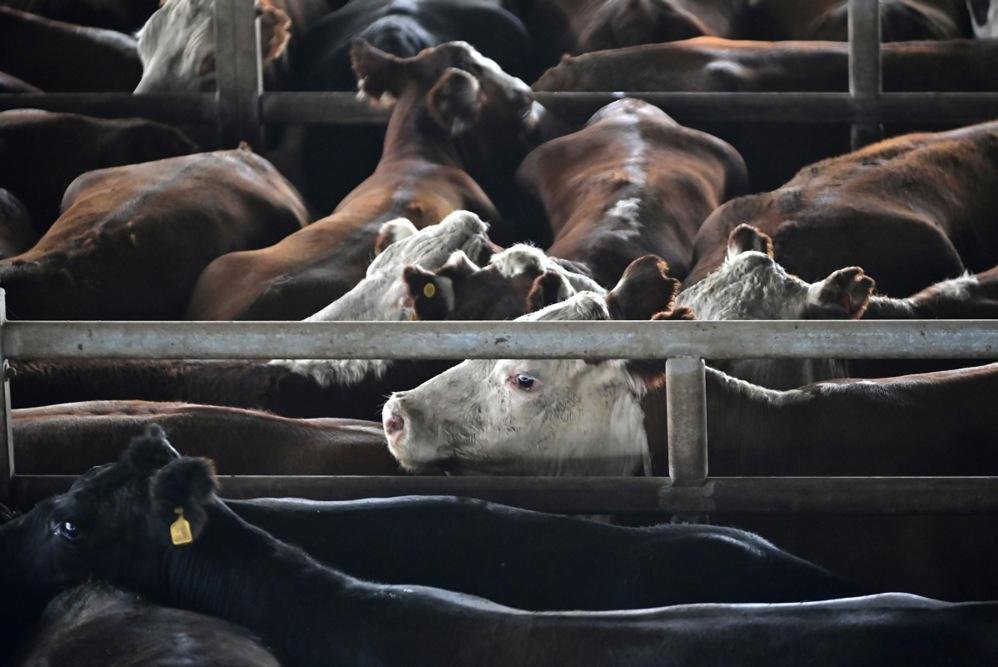
“People are switching to cheaper proteins. They’re eating pork, they’re eating chicken,” said García.Analysts attribute the decline to soaring beef prices, lower cattle supply and weakened household purchasing power. The opening of Argentina’s beef market to international trade has also pushed domestic prices closer to global levels.“Beef moved into a completely different purchasing-power category. Workers’ wages fell far behind,” said Juampi Quintero, 25, a meat distributor who estimated consumption among his clients has fallen by more than half.