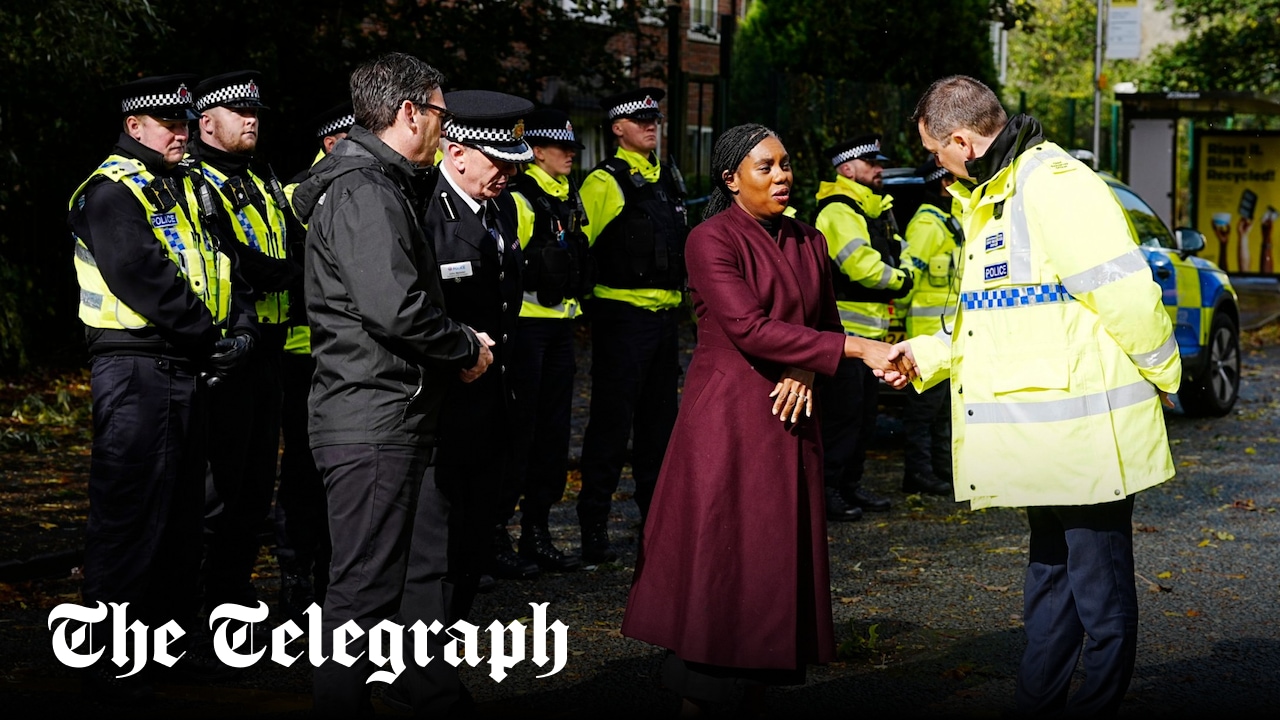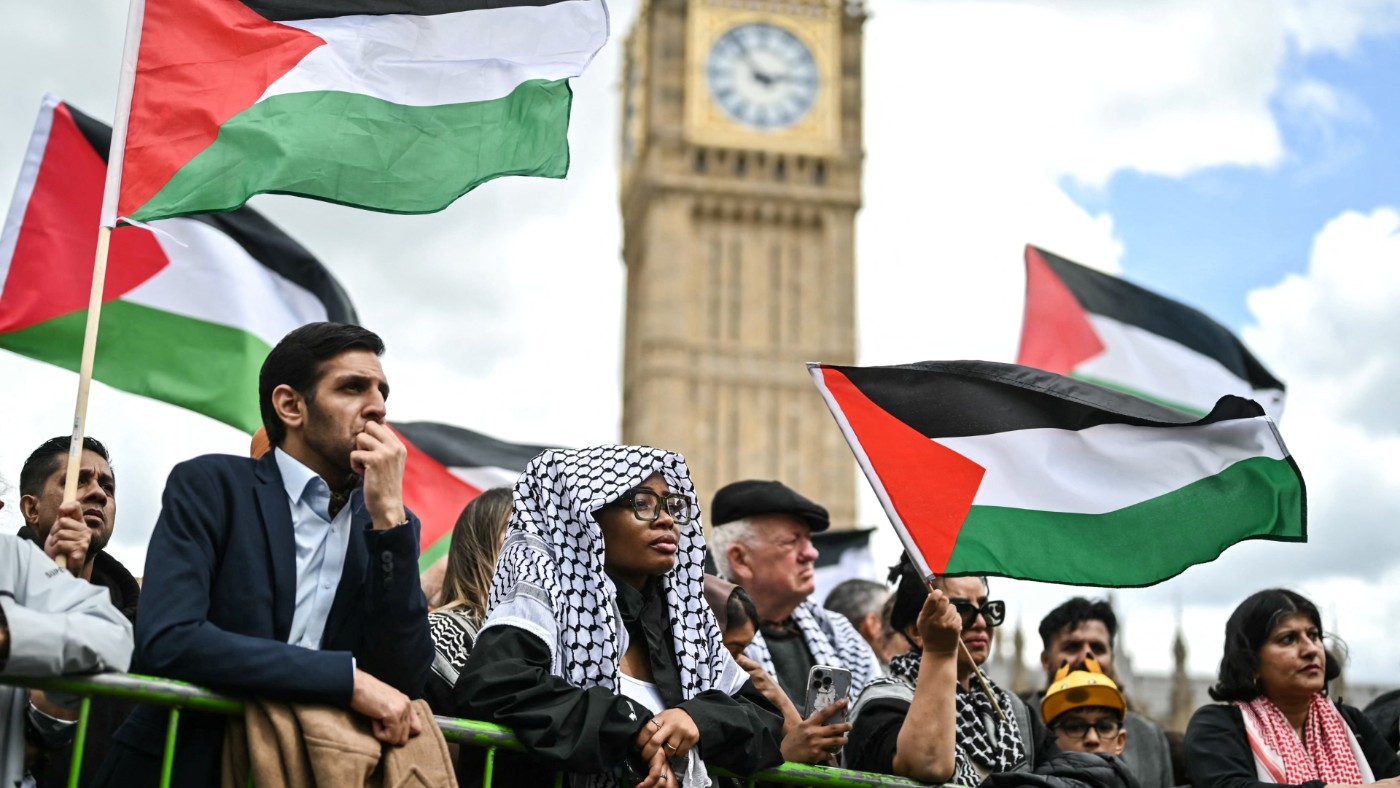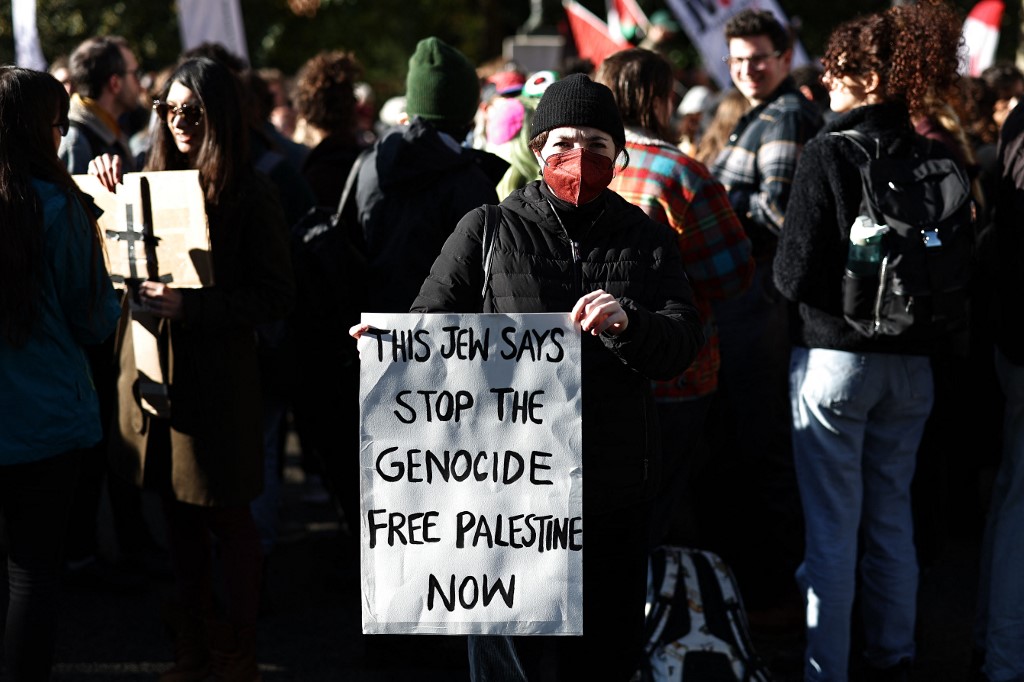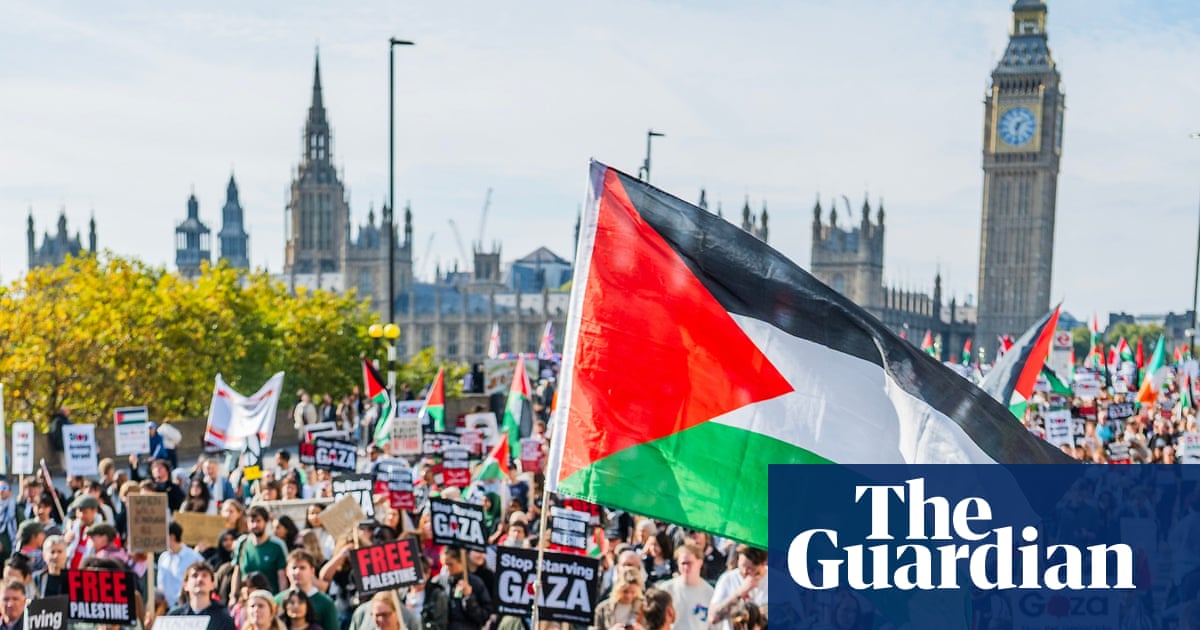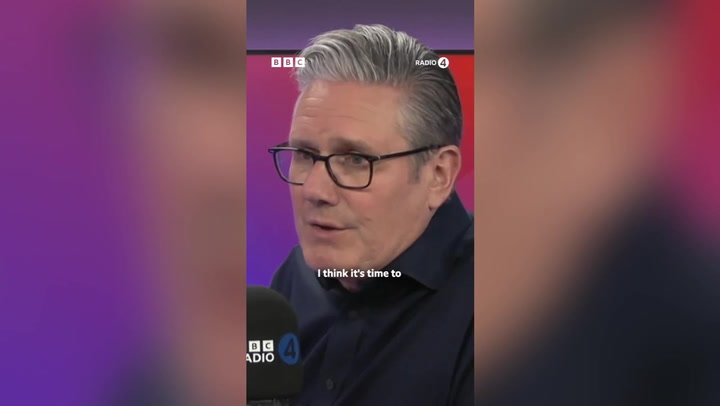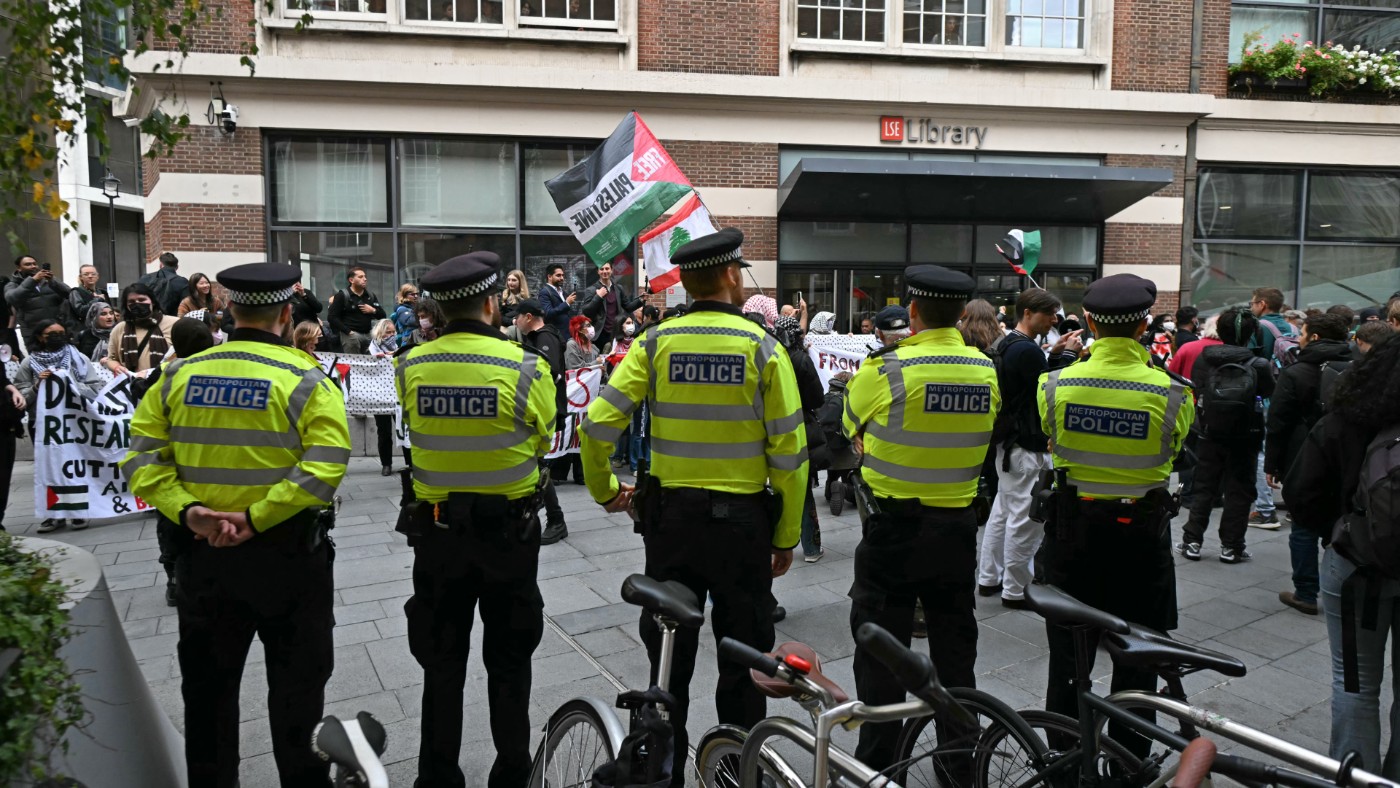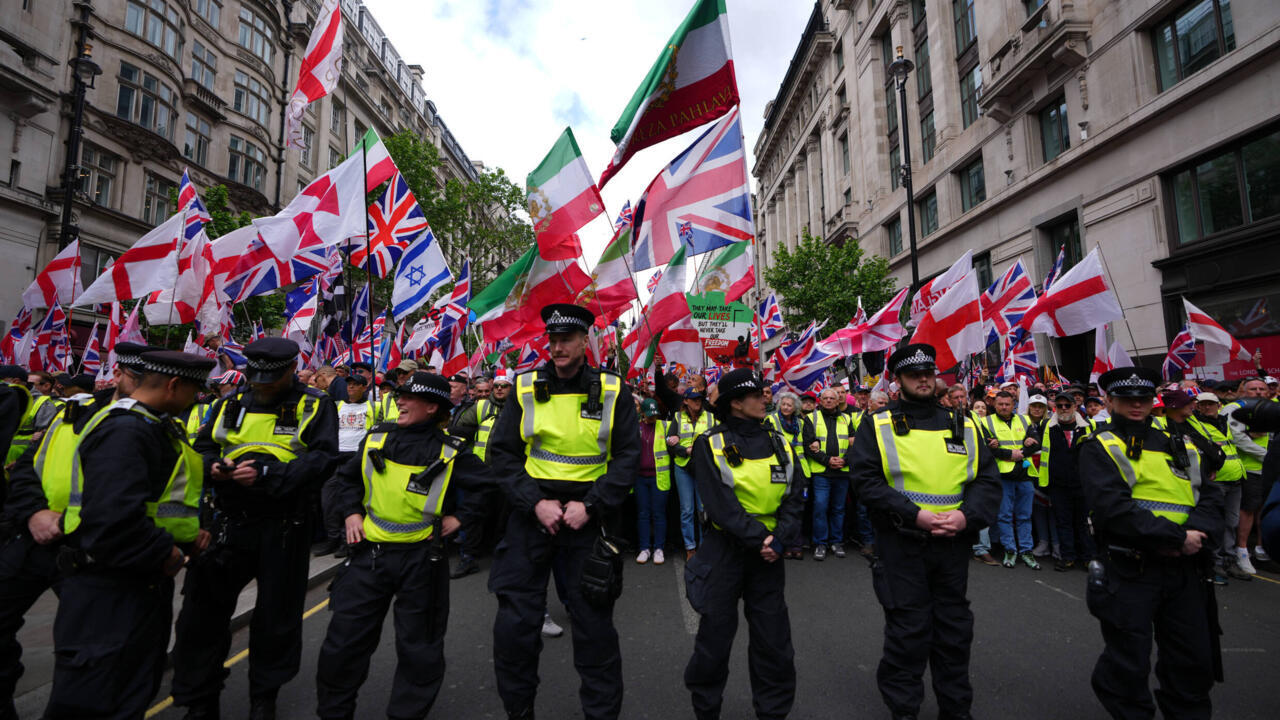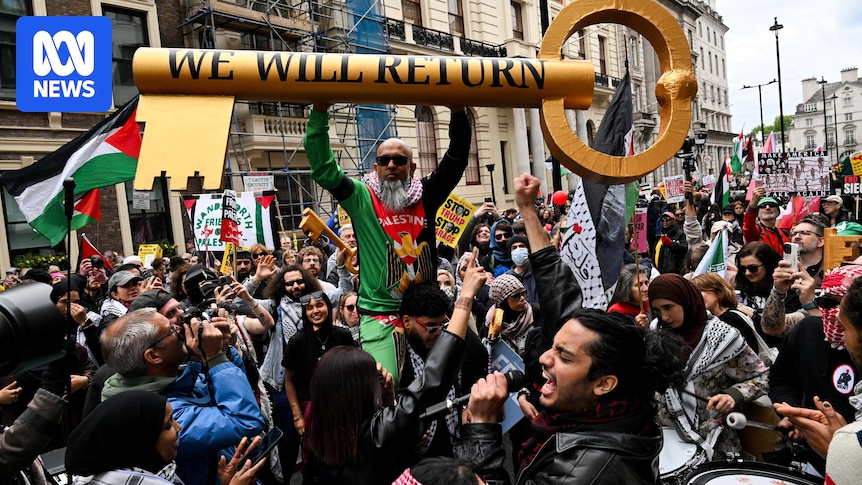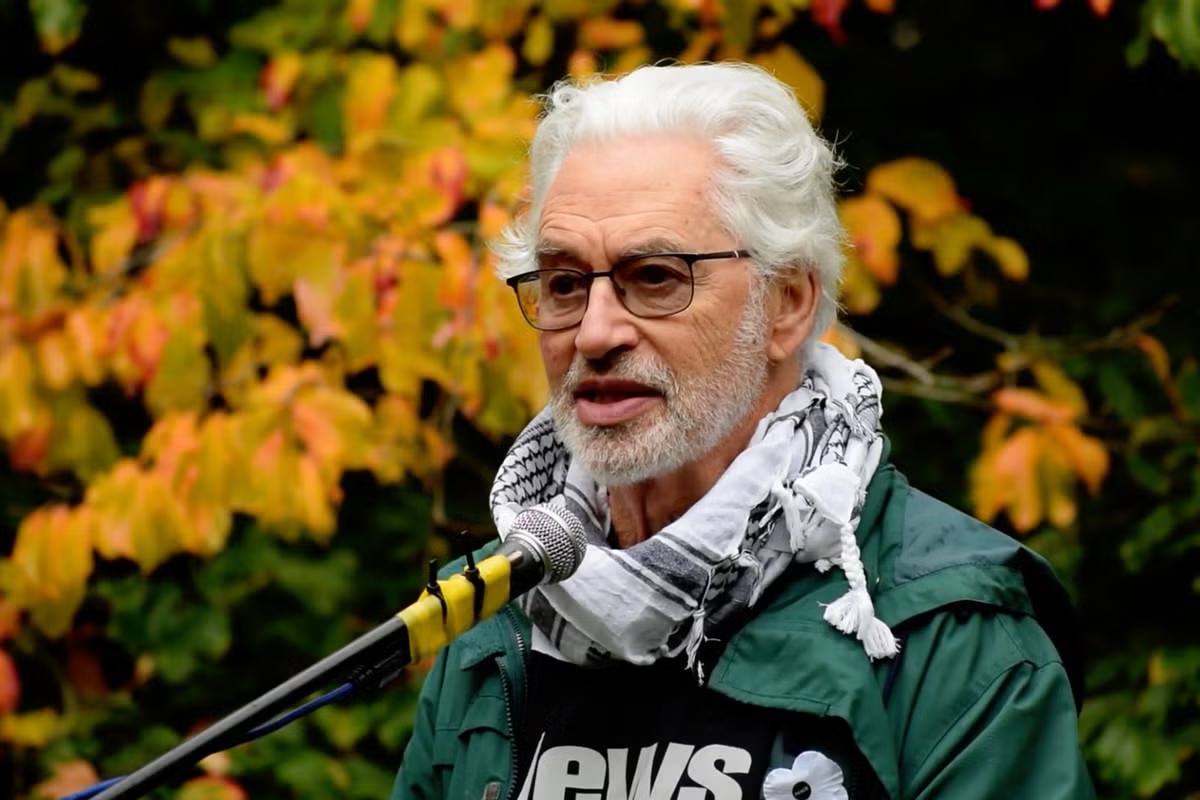
I’ve been on dozens of pro-Palestinian marches, proudly marking my Jewish identity along with my Jewish friends, and I’ve received nothing but a generous welcome. The marches are not festivals of hate as they're claimed to be. There’s a generalised recognition that we’re all there in solidarity with people who are being treated abysmally. Even if you don’t think it’s a genocide, you can recognise the genocidal elements that have gone into making the current situation in Palestine.It’s part of our Jewish heritage to take the side of the oppressed. We’ve learned the lesson from the Holocaust of “never again to anyone”. In the solidarity movement, thousands of us are coming together in national demonstrations on the Jewish bloc. We say very confidently that what Israel is doing is not in our name. We stand together because we want to get our voice across. But we often feel ignored, blanked out, and treated as though we don’t exist by mainstream media.Richard Kuper is a founder-member of Jews for Justice for Palestinians and has marched at multiple protests (Peace Pledge Union/Youtube)There’s a Jewish joke that if you have two Jews, you’ll have three opinions. But with Israel, it feels like you are only allowed one opinion. When really, there are a lot of Jewish communities out there and we do not speak with one voice. It’s important that everyone, especially our prime minister, recognises this. His suggestion of restricting the marches because of the impact on the Jewish community is ludicrous and a complete misunderstanding of what is going on. There is no “one” Jewish community, and the pro-Palestinian marches have nothing to do with antisemitism. Smearing them as antisemitic is literally a smear in itself.That isn’t to say there isn’t a problem with antisemitism in this country; I agree there is. I’m utterly horrified by the recent attacks in Golders Green and Manchester. But I don’t think they have any connection with the pro-Palestinian marches. Does Keir Starmer really believe banning marches will stop some loose cannon from trying to throw a molotov cocktail at a synagogue somewhere? I have personally never witnessed antisemitism on any of the recent marches. But there are some slogans that some people do not like. In my view, they’re not antisemitic in the least, but I understand they make some people uncomfortable. Like the term “globalise the intifada”, which is heard sometimes. When it’s used on the march, they’re saying we must internationalise the resistance against Israeli oppression. Kuper protesting along with emeritus professors Donald Sassoon and Lynne Segal (Richard Kuper)Some Jews also see the slogan “from the river to the sea” as being antisemitic. Netanyahu’s party was founded on that same language: “Between the sea and the Jordan [river] there will only be Israeli sovereignty.” I’m sorry if this upsets people, but I believe that describing it as antisemitic completely misunderstands its origins. And the Basic Law of 2018 makes it absolutely clear that the right to self-determination “ is unique to the Jewish people”.I can understand some people feel discomfited by these protest slogans but that’s not the intention behind them. If I ever saw someone do or say something antisemitic on a march, I hope I would point out the slurs and ask them to stop. I’ve done that years before when I saw people carrying placards equating the Star of David to the swastika. I explained the issue and the people carrying them listened and took the placards down.Racist people on marches should certainly be called out, and the organisers should disown them – as they already do. When there are 100,000 people there, it’s not easy to remove someone from a march. But it doesn’t mean the march organisers are supporting this. They’ve been 100 per cent clear they’re opposed to antisemitism, although, as I say, I’ve not witnessed any on dozens and dozens of marches. Marches protesting Israel’s actions in Gaza have been put in jeopardy as the government look to clamp down on them (PA)Another slur made recently by the Metropolitan Police is that some marches were deliberately routed to go past synagogues. But most of us, even the Jewish members of the marches, don’t know where these synagogues are. We have never chosen to protest outside synagogues, which is the insinuation made. It’s yet another example of the demonisation of these marches, and it’s being used not just to undermine Palestinian solidarity but the right to protest, which is one of the fundamental rights we in Britain enjoy. It is really scandalous.The prime minister assumes that the marches are causing antisemitism, but it’s what Israel is doing that is causing a hatred of Israel. There is also speculation that Iran is behind the antisemitic attacks, which is possible. But in my view, this rise in antisemitism is a result of outrage at Israel. Why against Jews, you say? Because Israel associates itself with Jews. It says it is the only Jewish state and says it is doing what it is doing on behalf of all Jews worldwide. People looking at this find it difficult to make the distinction between Israel and Jews. I don’t think the origins of antisemitic attacks are a deep-seated hatred of Jews, but a misplaced hatred of what Israel claims to be doing on behalf of all Jews. And when Chief Rabbi Mirvis refers, as he did, to the IDF in Gaza as “our heroic soldiers” in a speech at a synagogue in Essex, he is making the exact conflation of Jews with supporters of Israel’s genocidal regime. Jews are not responsible for what the Israeli government does, but Mirvis and other Jewish communal spokespeople insist on blurring the distinction. It makes all Jews in Britain targets for the hatred which Israel’s actions are generating. To me, our government is using antisemitism to divert our attention from their complicity in what Israel is doing. It’s an abuse of antisemitism. When we march against genocide and are accused of being racist, it is a slur and suggests our political leaders are siding with Israel in this conflict. The biggest thing they could do to reduce antisemitism is not banning marches but finding a solution in the Middle East. And many Jews like me feel this.But there is now a huge division within the Jewish community. A lot of us have relations who are pro-Israel and find ways to justify what Israel is doing, and we have painful arguments where families are divided. It is not easy. It happens in Israel too – I have friends and family there, many of whom are protesting vigorously against what their government is doing. Keir Starmer believes that banning marches can help solve the issue of antisemitism in the country (Getty)It’s not new for communities to be divided. But feelings do run high on demonstrations because what is happening in the Middle East conflict isn’t just a cycle of killings and a bit of disruption – it’s happening on a scale I have not witnessed in my lifetime, and it’s on TV beamed into my living room where I can see the physical destruction of innocent civilians.I have noticed a narrative that going on a march means you are antisemitic; I strongly reject it. That’s trying to recruit antisemitism as a weapon to prevent criticism of Israel. If any readers feel this way, I would say to get your courage together. Come and join us in the Jewish bloc. You’re not antisemitic; you’re protesting a genocide. We are under an obligation of international law if we see a genocide to do our best to help stop it. Even if you aren’t saying a genocide has yet been committed, that it is a plausible analysis of the situation is undeniable. We’ve got to ask whose side we’re on, and I’m on the side of the people who want to live in peace. I cannot be on the side of a genocidal government. As told to Radhika Sanghani Richard Kuper is a founder-member and activist in Jews for Justice for Palestinians
‘I’m Jewish and I march for Palestine – stop calling them hate marches’
As the prime minister considers prohibiting some pro-Palestine protests after a rise in antisemitic attacks, Richard Kuper tells Radhika Sanghani he believes the marches are being blamed for a problem they didn’t cause
1,342 words~6 min read