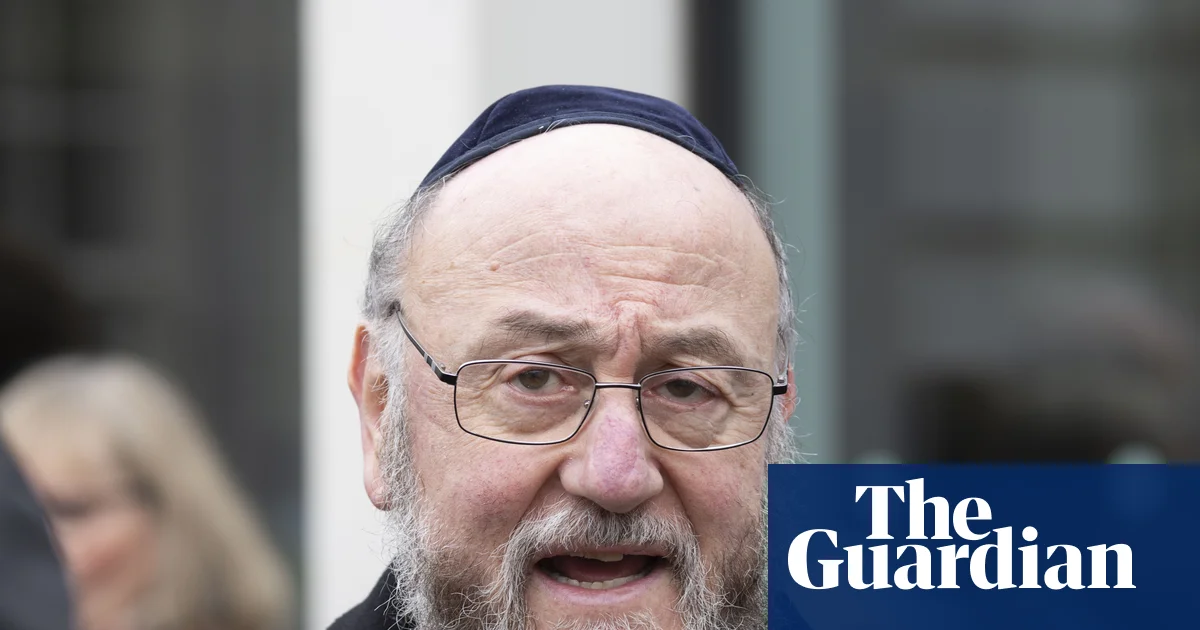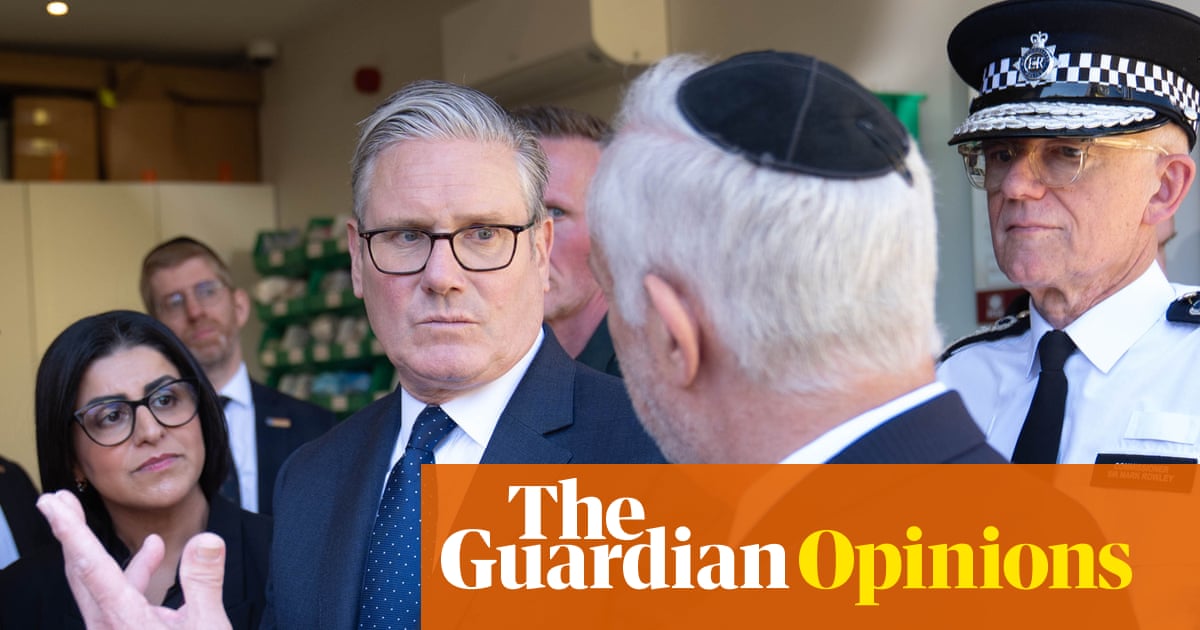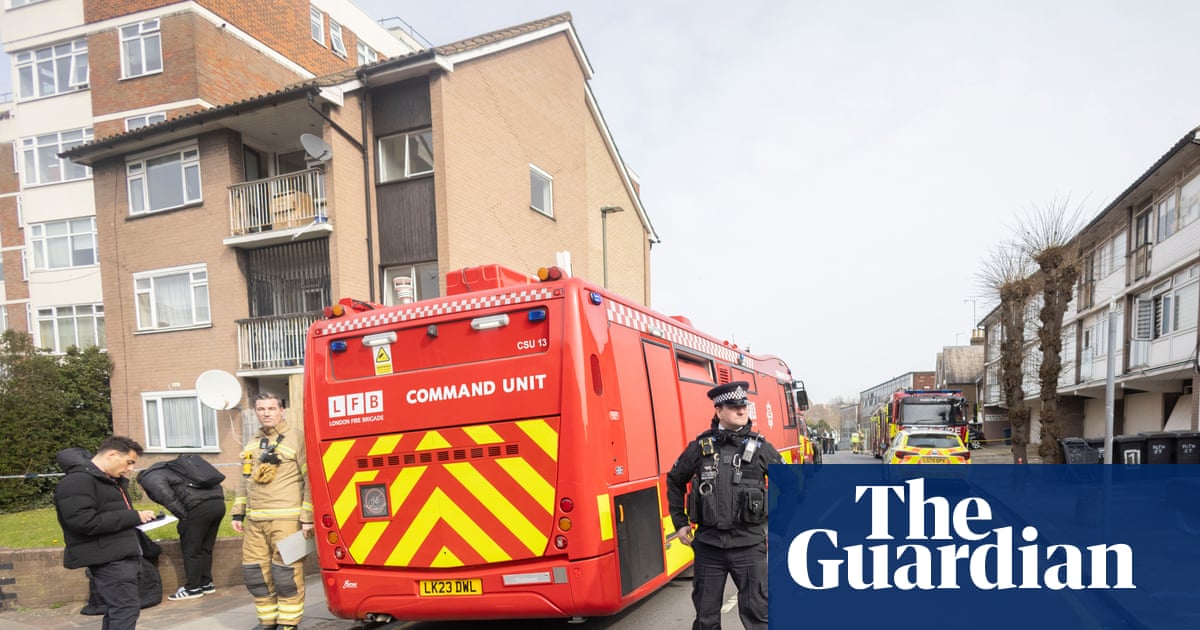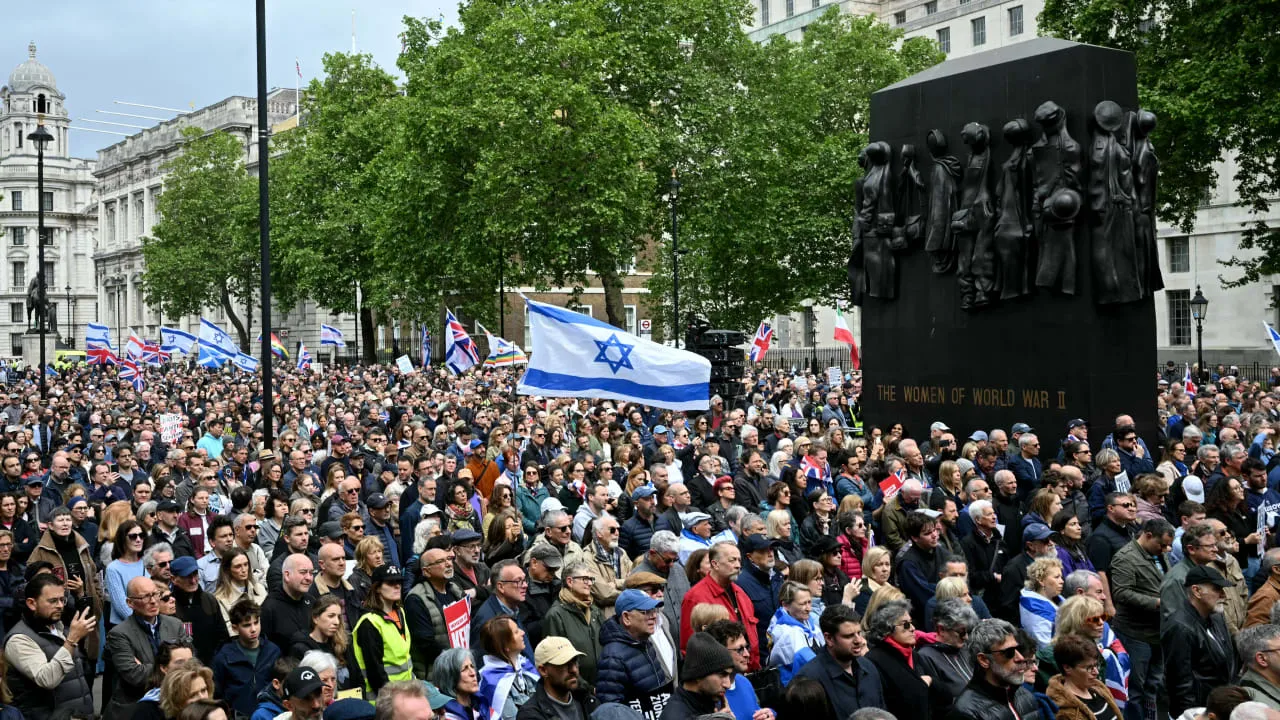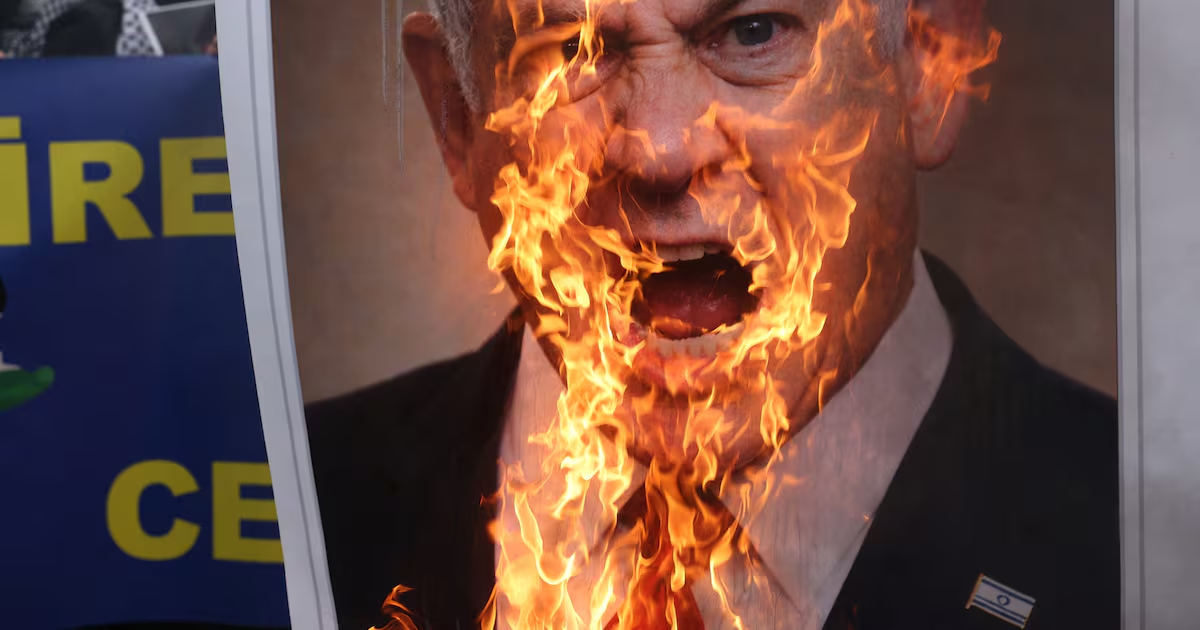
The recent stabbing of two Jewish men in Golders Green, London, has brought to a head a dilemma that the UK, in common with many other Western countries, has been wrestling with for a long time.The attack was the latest act of serious violence against the Jewish community — others in recent weeks have included the targeting of Jewish schools, synagogues and charities through arson and the use of improvised explosive devices — directly inspired by events in the Middle East.It has raised once more the now pressing question of how the right to freedom of expression and protest is to be balanced with that of ensuring the protection of those who today are persistently being victimised on the basis of their religion and ethnicity.The hard data tells its own story. According to the UK’s Community Security Trust (CST), an organisation mandated to monitor and respond to antisemitically motivated hate crimes against the Jewish community, 2025 saw the second-highest number of attacks since records began to be kept about 40 years ago. In total, 3,000 such instances were logged, second only to the 4,298 incidents recorded in 2023. Attacks included 170 instances of assault and 217 of damage and desecration to Jewish property. Others fell into the category of “abusive behaviour”, including threats, verbal abuse and hate mail, and the mass dissemination of antisemitic literature. Four were categorised as “serious violence”, where a threat to life and grievous bodily harm was involved. The latter included the lethal terrorist attack at Heaton Park Synagogue, Manchester, where two congregants attending Yom Kippur services were killed and three seriously injured.In previous years the primary source of antisemitic activity in the UK emanated from elements associated with the far right, typically neo-Nazi white supremacist factions and individuals. This is no longer the case. While antisemitic attacks from the far right have certainly not ceased, a substantial majority today are linked to developments in the Middle East, primarily concerning the conflict between Israel and its neighbours but also, in more recent times, the current war between the US and Israel and Iran. Particularly since the October 7 2023 terror attacks in Israel and the ensuing conflict, the CST found that more than half of incidents recorded directly referenced or were otherwise linked to these issues.It is important to stress that the CST does not include activities, even more radical ones, that are exclusively aimed at Israel in its statistics. Rather, what it carefully documents is where activism against Israel crosses over into attacks against Jews as a whole, whether at the individual or the institutional level. Noteworthy in this regard is how regularly the terms “Zionism” or “Zionist” have come to be used as codewords for “Jewishness” or “Jew”. Through this euphemism it has become possible to propagate the most egregious stereotypes about Jews, a typical example being the classic portrayal of Jews as a malign hidden hand manipulating world events through their financial power and excessive behind-the-scenes influence.Using “Zionists” as a codeword for Jews is obviously not only a UK phenomenon. The online environment in South Africa, for one, is replete with this sort of thing, and it surfaces regularly on public platforms as well. A striking instance of this was Imtiaz Sooliman’s comments when addressing a Congress of Business & Economics gala dinner in November 2024:“They rule the world with fear, with money, with power, with influence… They’re getting away with their deception, and their lies, and their control, and their power. It’s time to expose who they are, what they do, the lies they speak, the people they control” is a sample of what he said on that occasion. Sooliman used the term “Zionists”, but no one in the audience would have had the slightest doubt as to who he was referring to. Using “Zionists” as a codeword for Jews is obviously not only a UK phenomenon. The online environment in South Africa, for one, is replete with this sort of thing, and it surfaces regularly on public platforms as well. The revelation of these and similar such remarks by Sooliman did not, for some strange reason, prevent the University of Cape Town from bestowing an honorary doctorate on him at its last graduation ceremony. It was just another indication of how racially defamatory speech of this nature is being tolerated in mainstream discourse, the only proviso being that it be couched as anti-Israel rhetoric and use the “Z” rather than the “J” word. In his recent column Ghaleb Cachalia acknowledged that antisemitism has emerged as a genuine problem in the UK (“Anti-Semitism response risks undermining UK legal principles”, May 6). He also expressed grave concerns that in addressing the issue, “established, predictable legal frameworks” could be replaced with “arbitrary, personalised or politically motivated discretion”, thereby damaging the legal system and rule of law. That is a fair point. It is certainly essential that whatever steps the UK authorities take to address this particular crisis be conducted within the framework of what the country’s established laws and democratic norms define as constituting legal behaviour. As Cachalia writes, there is a risk that in place of the application of considered judgement to specific speech is emerging “a reflex that pre-emptively widens the category of what may be sanctioned, without the discipline of legal definition to constrain it”.Where one must nevertheless take issue with Cachalia is in his suggestion that what those who are calling for action against escalating antisemitism are trying to do is suppress criticism of Israel rather than incitement to hatred or cause harm to Jewish people in general. This is not in fact the case. It is broadly accepted by Jewish rights activists and those who support them that anti-Israel rhetoric, even in its more extreme forms, falls within the parameters of legitimate freedom of expression. The problem, as borne out by what the evidence shows regarding the majority of attacks on Jews today, is that many people do not make the distinction between Israel as a country and Jews as a distinct religious and ethnic community. Instead, the lines are continually blurred, with the result that those who are unable to materially harm the Israeli state itself are now using their fellow citizens, who happen to be Jews, as a proxy target through which to give concrete expression to their fury.For all these reasons serious consideration is being given in UK government circles to imposing a temporary moratorium on anti-Israel protests on the basis that they all too often degenerate into platforms for inciting hatred against Jewish people in general. Whether this is desirable, or even possible, in terms of what British law says regarding the right to freedom of assembly is another issue. The problem, as borne out by what the evidence shows regarding the majority of attacks on Jews today, is that many people do not make the distinction between Israel as a country and Jews as a distinct religious and ethnic community.Against this is the reality that things are starting to spiral dangerously out of control in terms of how activism ostensibly aimed only at Israel is playing out on the streets. It is a conundrum that democratic states everywhere whose Jewish populations are today being targeted by antisemitic hate crimes are increasingly having to grapple with.The real core of the problem comes down to the inflammatory nature of so much of the anti-Israel rhetoric that features at protest gatherings (to say nothing of the toxic online environment, where there are even fewer constraints on what people are able to say). The discourse allows for no nuance, and no acknowledgement of any opposing narrative. It is couched in the language of total denunciation, at times even of outright demonisation — language redolent with lurid exaggerations and emotive overstatements that all too often bear little relation to objective realities. The intention is not to engage in constructive debate or explore possible solutions, but to stir audiences up to a fever pitch of furious outrage. When that happens, it is all but inevitable that some at least will conclude that the time for talking is over and decide to take action. And since the Jewish state itself is beyond their reach, they are settling for the next best thing — targeting those who are most closely associated with it. That is why the Jewish community in the UK today finds itself under constant threat. It is a serious situation, and unless progress is made towards lowering the temperature and fostering an environment more conducive to civil dialogue around the issues in question, it is hard to see how it can ever be resolved. • Saks is a former associate director and current consultant to the South African Jewish Board of Deputies.
DAVID SAKS | Jewish community faces rising threats amid anti-Israel protests
Rhetoric at protests and online increasingly targets Jews rather than Israeli policies
1,453 words~7 min read