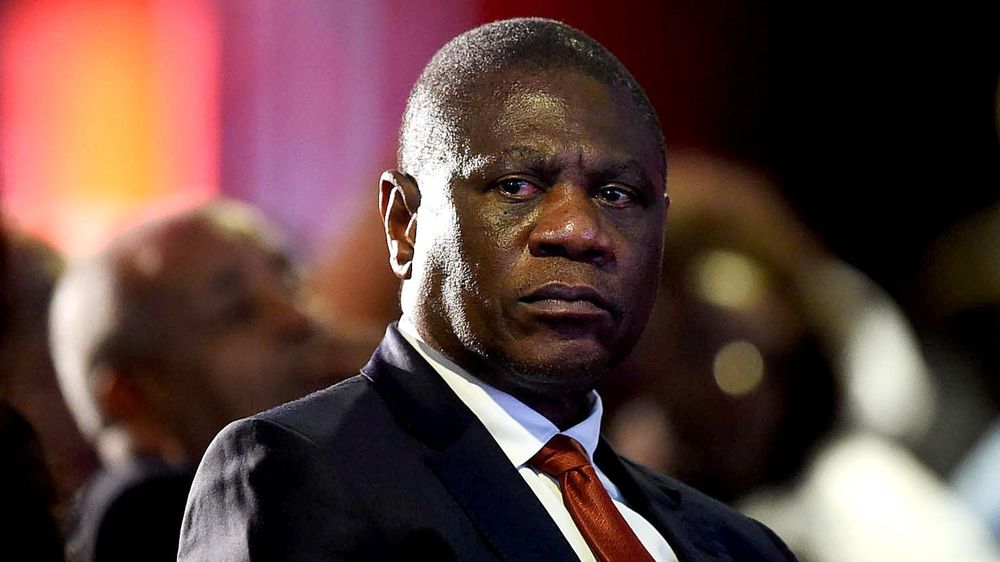
Social Development Minister Sisi Tolashe has been axed from her job. Her removal marks one of those moments where the script briefly pauses, and the audience is invited to believe the system has corrected itself.
IN GOVERNANCE theatre, nothing is ever only what it appears to be. Every announcement is a performance of authority, every dismissal a staged resolution, and every public reaction part of the choreography through which the state tries to preserve legitimacy in front of a watching country.
The removal of Sisi Tolashe marks one of those moments where the script briefly pauses, and the audience is invited to believe the system has corrected itself. On the surface, it is decisive executive action. It signals that allegations matter, that consequences follow, and that accountability is still active inside the machinery of the state.
But governance theatre asks a harder question. Is this proof of institutional strength, or evidence of a system that only becomes decisive once pressure has already turned the stage into a public crisis?
This is not a question about one individual. It is a question about rhythm. Because in modern politics, what defines governance is often not only what is done but also when and why it becomes visible. In a healthy institutional order, accountability is procedural, early, and often invisible. It is triggered by internal controls, not public escalation. The public does not need to witness a collapse before believing that discipline exists.