The EU is increasingly turning to artificial intelligence to manage one of its oldest problems: information overload
Before sunrise, institutional debates are being folded into bullet points, WhatsApp messages and briefing notes drifting through the European quarter. By lunchtime, a five-hour policy debate in Strasbourg may survive only as a few quotable lines in a policy memo.
Very little in Brussels is consumed whole.
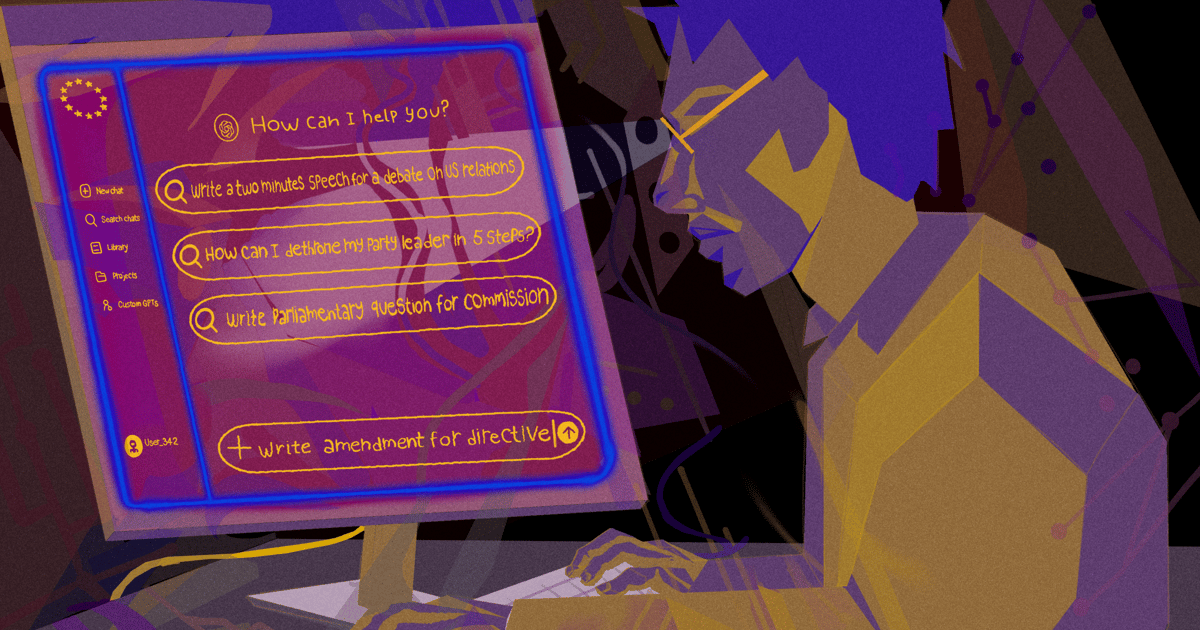
That is what makes large language models so seductive to the EU bubble. The systems behind tools like ChatGPT promise to digest parliamentary proceedings, legislative files and political debates in seconds.
For journalists buried under piles of documents and parliamentary staff sprinting between committee meetings, the technology feels like a breath of fresh air.