Nigeria’s Senate recently passed a new bill to strengthen wildlife legislation in the country, which is a hub for international trafficking rings.Supporters say the government will need to provide resources for agencies to enforce the law.Despite many headline seizures of illegally trafficked wildlife, many cases do not go to court and even fewer end in convictions; experts also point to a confusing and contradictory patchwork of existing wildlife legislation.Conservationists see this as an opportunity to reset Nigeria’s handling of wildlife crime, but villagers who supplement their income through hunting fear that enforcement of the new law could mean the loss of an important safety net in difficult farming seasons.
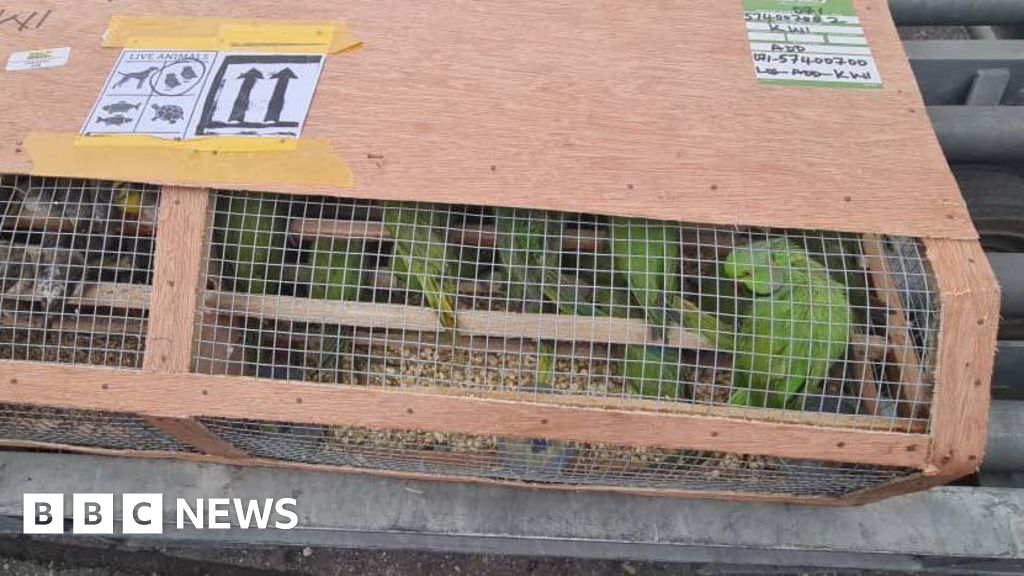
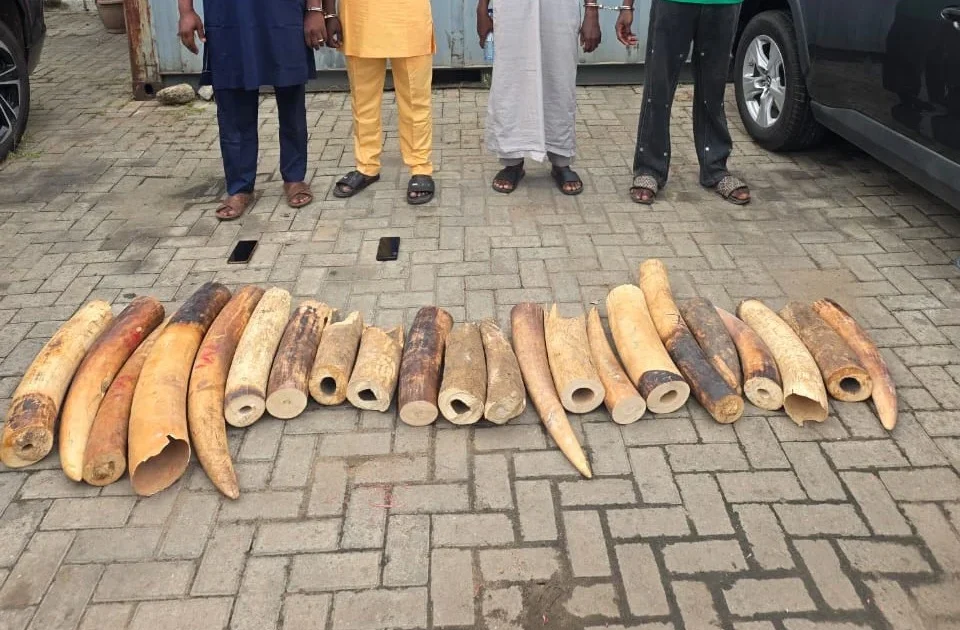
In recent years, spectacular seizures of illegally trafficked wildlife products, including consignments of ivory and pangolin scales weighing several tons, have provided plenty of evidence of Nigeria’s position as a hub for international trafficking rings operating across Africa, Europe and Asia. In October 2025, the country’s Senate passed a new bill to strengthen the country’s wildlife legislation.
As the bill awaits the president’s signature, its supporters say the country now has the basis for stronger wildlife protection on paper, but the government will need to provide agencies with the resources, coordination and political backing to enforce the law.