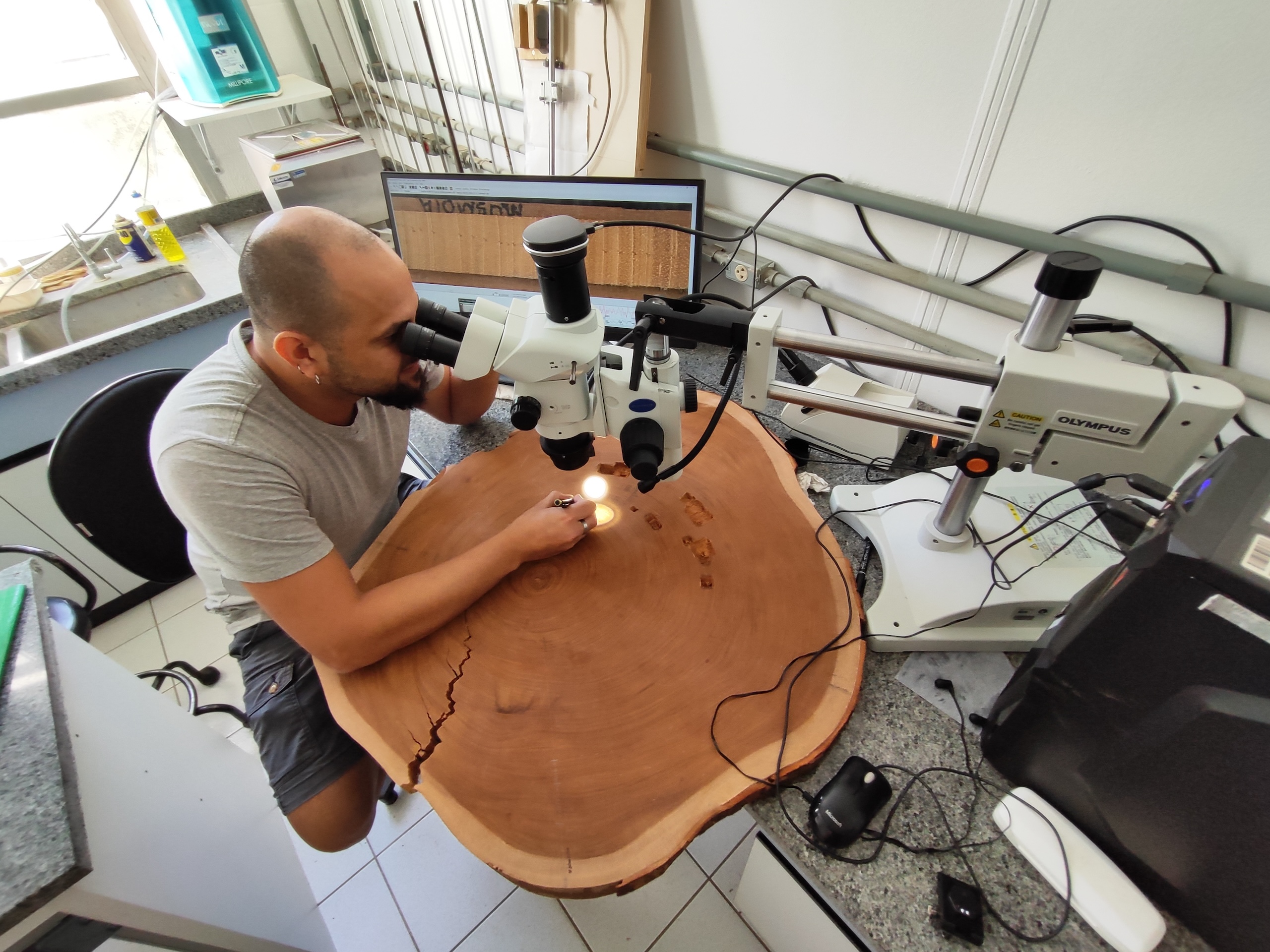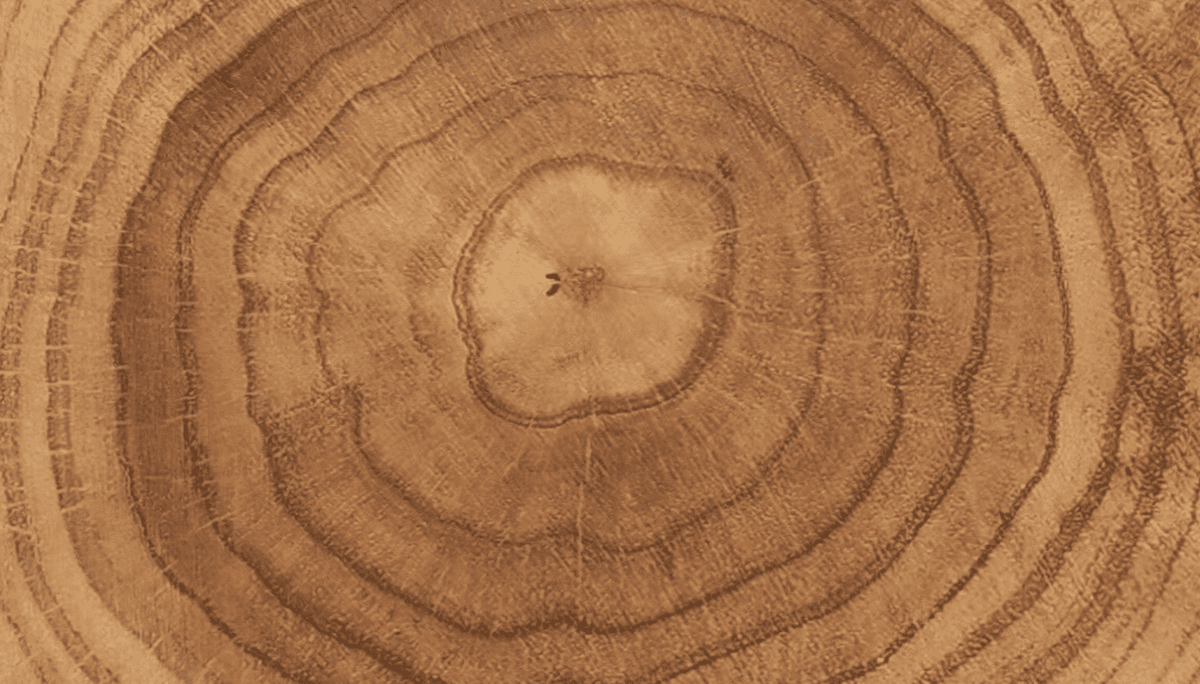
Scientists analyzed tree growth rings to investigate whether the Amazon Basin is indeed drying up, as shown by extreme droughts in 2023 and 2024.Their study revealed that over the past four decades, rainfall has become more intense during the wet season and scarcer during the dry season, indicating unprecedented extension of climate seasonality.Researchers point out that such intensification of extremes results from a combination of natural environmental variability, deforestation and climate change, with direct impacts on the forest and the carbon cycle.
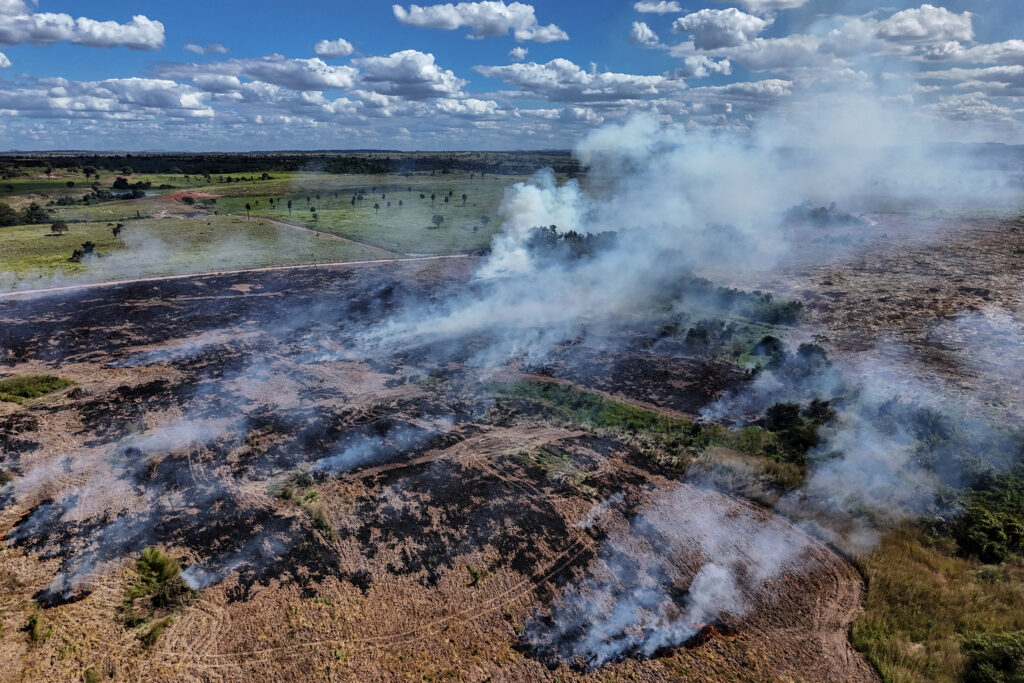
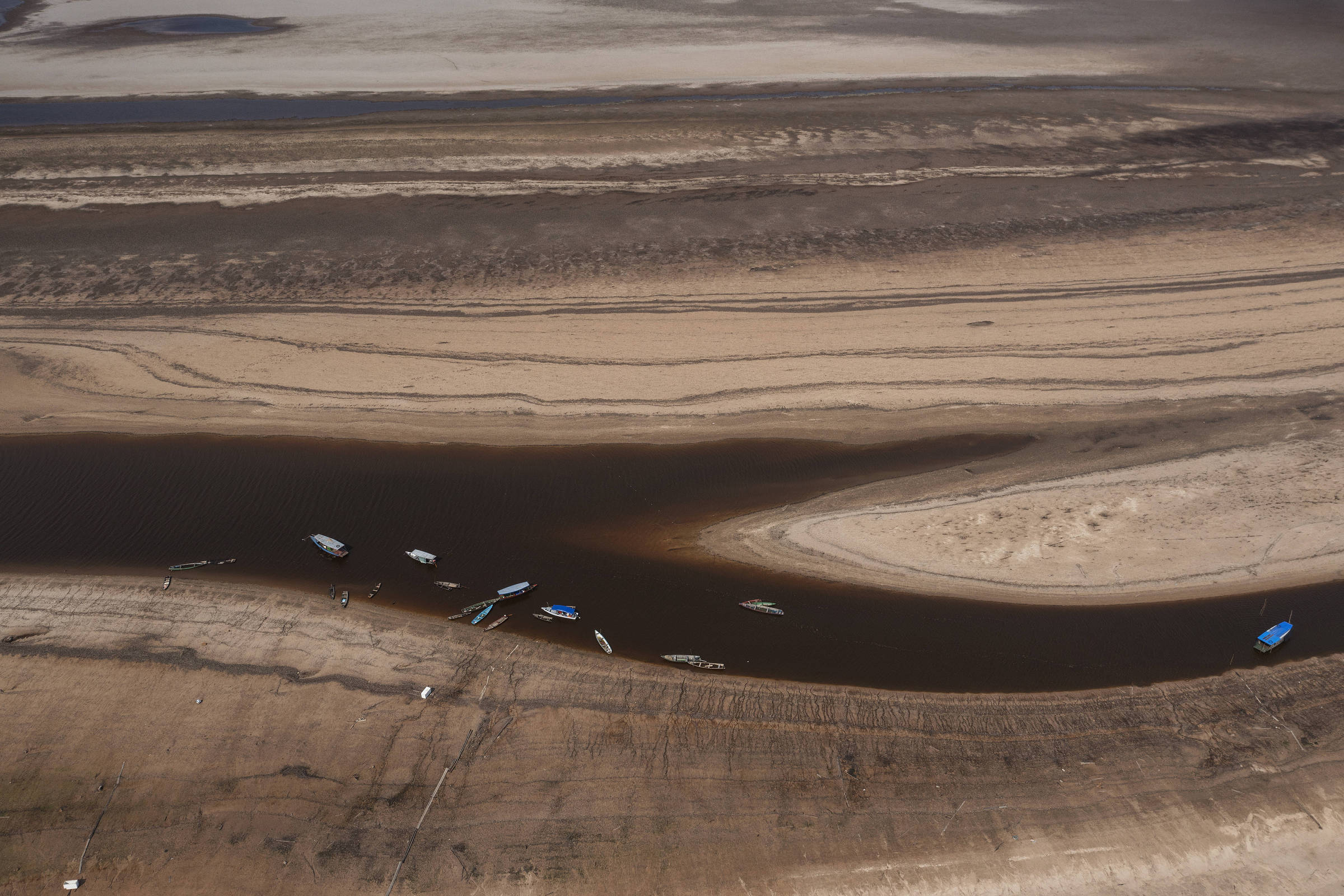
In 2024, the Amazon region felt the effects of one of the worst droughts in its recorded history — if not the worst. At the port of Manaus, the largest city along the course of the Amazon River, the water level reached 12.68 meters (41.60 feet), the lowest level since measurements began there in 1902. It was even worse than in 2023, when high temperatures in Lake Tefé, upstream of Manaus, killed river dolphins.
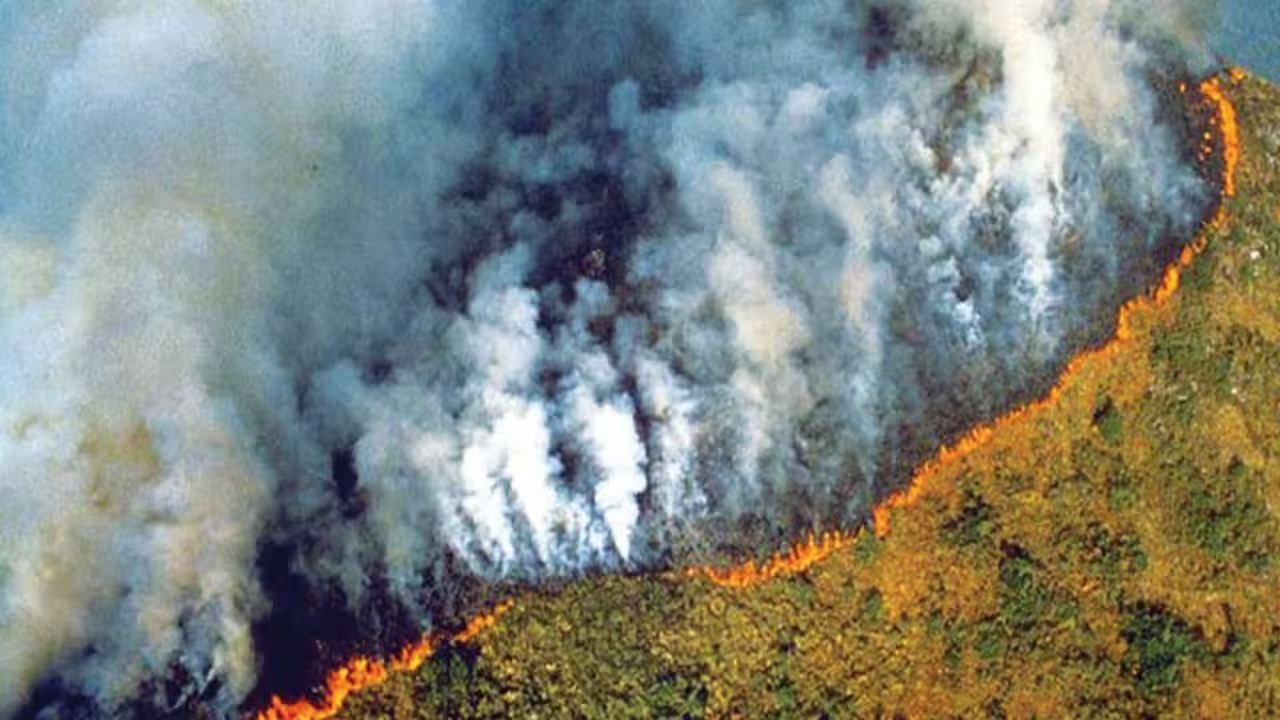
Successive years of record heat and drought have left scientists asking whether the whole Amazon Basin drying up as a result of more intense cycles of El Niño and La Niña, which alter ocean surface temperatures and interfere with atmospheric circulation, compounded by persistent deforestation.