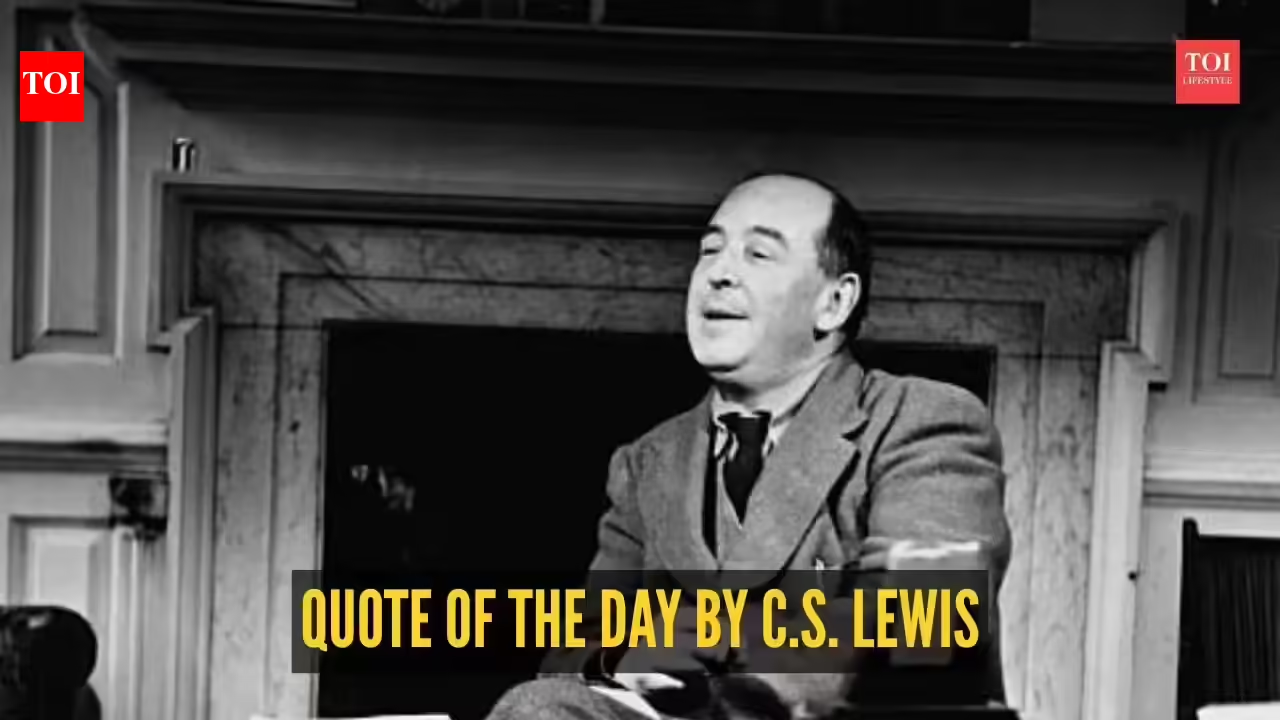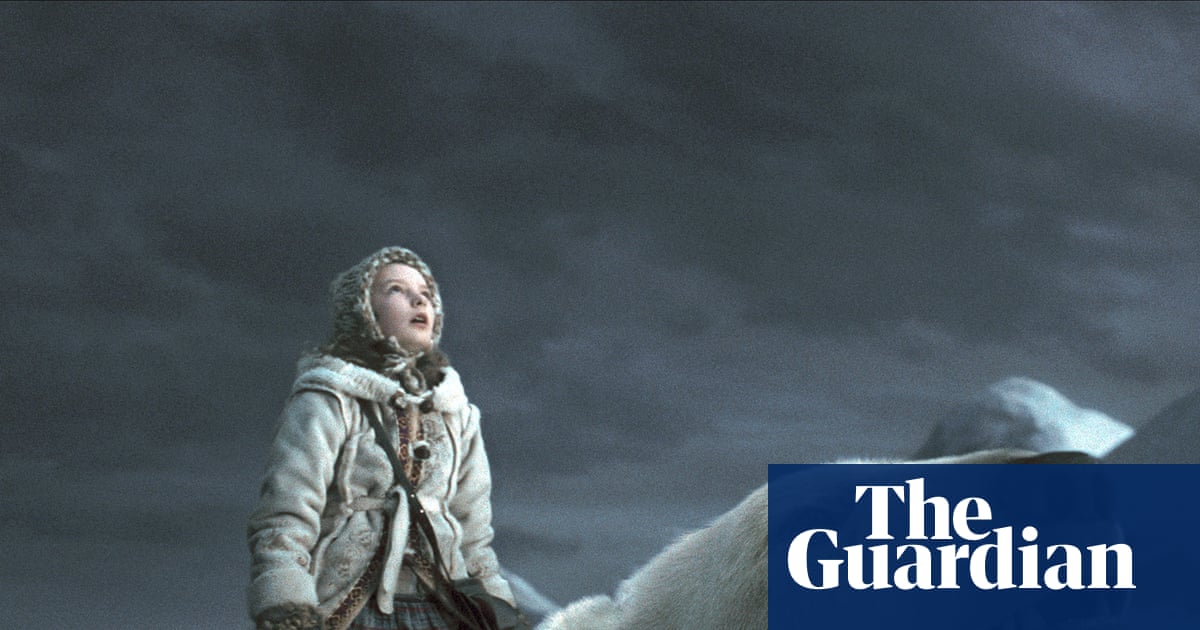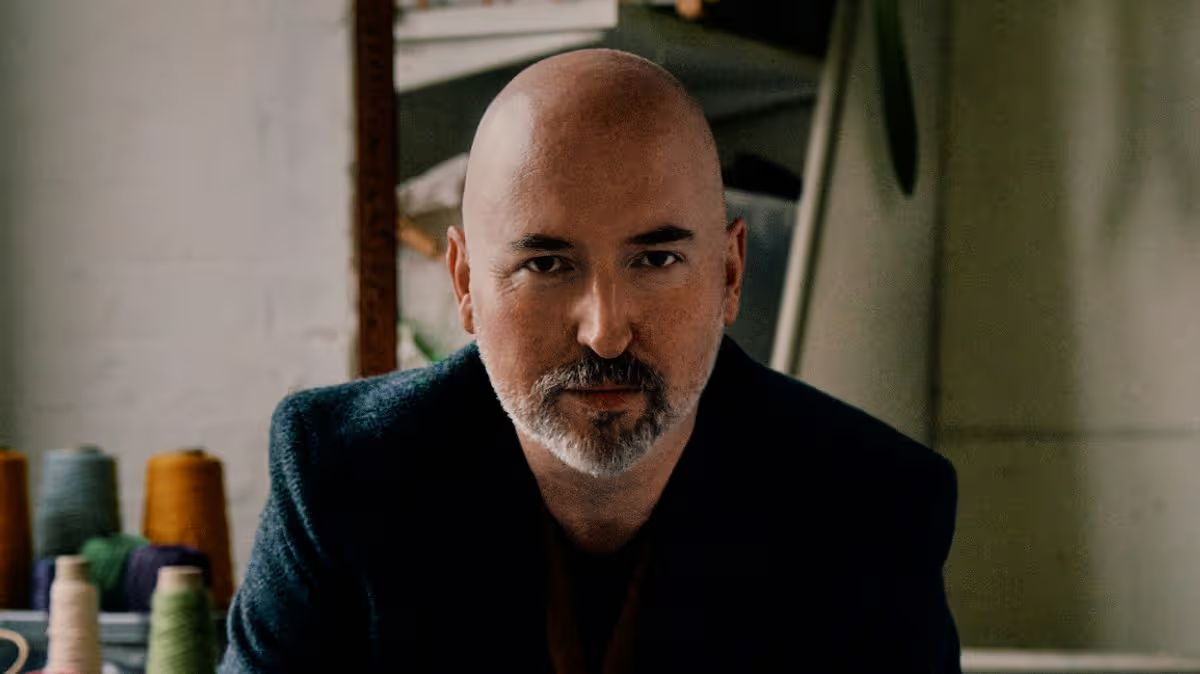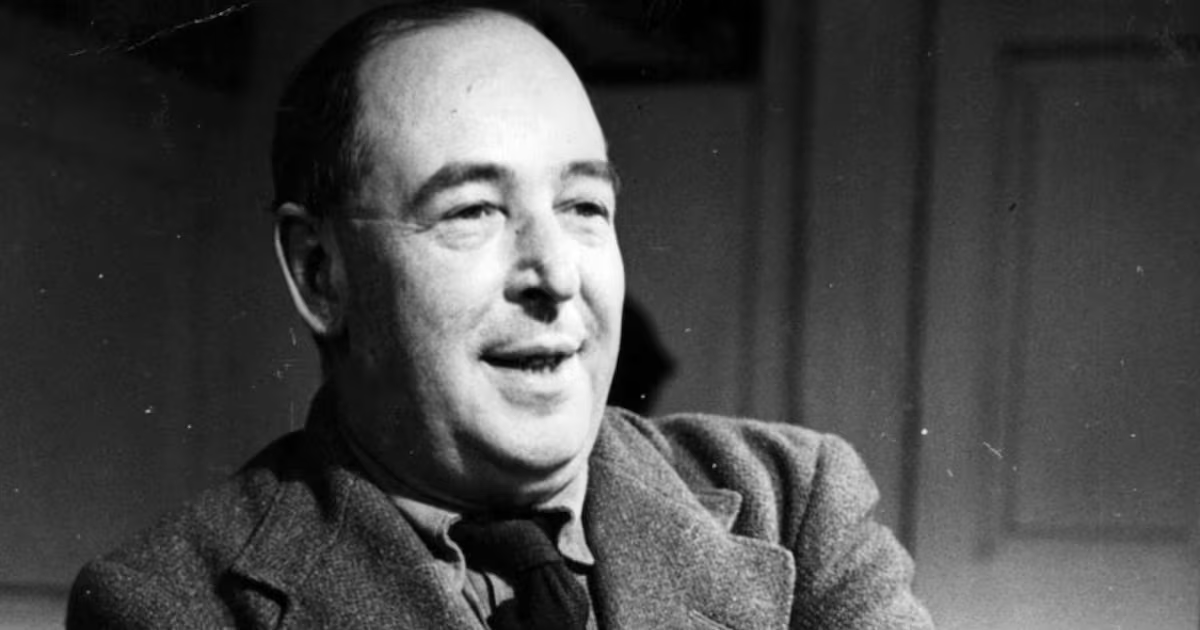
Ireland in the Life and Work of C.S. Lewis Author: David ClareISBN-13: 978-3-031-94389-8Publisher: Palgrave MacmillanGuideline Price: £ 109.99 David Clare’s Ireland in the Life and Work of CS Lewis has one central idea: that the author known to all in his lifetime as Jack has been persistently misrepresented in academic studies and artistic responses. Instead of acknowledging his complex multilayered particularity as an “alternative” Ulster Protestant with parents from Cork, his Irishness has been marginalised. Too often he has been seen as a stereotypical Englishman, buttoned-up and emotionally repressed. Lewis was born in Belfast in 1898. Though much of his life was spent in England, particularly in Oxford, his cultural and political relationship with that country was fraught. He went “back home” almost annually until his death in 1963, self-identifying as Irish right to the end, and his attachment to the country was an all-island one. Clare points out that this matters when looking at the great range of Lewis’s work. His origins in a “metrocolonial” Ireland, especially in Belfast, shaped his disgust with British colonialism and sectarian unionism. His interest in Irish mythology has frequently been undervalued compared to Norse and Greek legend in critical assessments of his most famous works, The Chronicles of Narnia. Indeed, Lewis wrote that the real-world place that most resembled Narnia was the area around the Cooley Mountains.[ How CS Lewis’s Irish childhood influenced the Chronicles of NarniaOpens in new window ]This study extends sideways into artistic works about Lewis, and work by more recent musicians and writers from Northern Ireland. The best-known of the former is William Nicholson’s enormously successful television programme/stage play/film Shadowlands, which is about Lewis’s late marriage to the American Joy Davidman and her early death from cancer. But Shadowlands, in all three manifestations, suppresses Lewis’s Belfast background, including the death of his own mother, who was also a victim of early cancer. Nicholson relocated the honeymoon to Greece, and the Hollywood version starring Anthony Hopkins and Debra Winger sent the couple to Herefordshire. In real life they went to Down, Louth and Donegal. Lewis’s “English” image has become shorthand for emotional tightness.A particularly interesting section of this book looks at transcendent moments of “joy” (counteracting another stereotype, that of the dour Ulster Protestant) in the musicians Van Morrison and Juliet Turner, and the writers Forrest Reid, Stewart Parker, Christina Reid, Marie Jones and Lucy Caldwell. Clare demonstrates how they connect with what Lewis’s Oxford friend JRR Tolkien neatly called his ‘ulsterior motives’. This is an impulse that Clare believes those of us in the Republic do not properly understand. He is determined is to open up a truer Lewis. Though this is an academic study, complete with thorough citations, it is blessedly free of jargon, and is accessible to general readers. The author has certainly made it difficult for future commentators to neglect a crucial strain in one of our most significant writers.Julian Girdham teaches English at St Columba’s College in Dublin
CS Lewis’s rich Irishness gives the lie to the ‘buttoned-up Englishman’ stereotype
As an ‘alternative’ Ulster Protestant with parents from Cork, his Irishness has been marginalised and reduced
493 words~2 min read