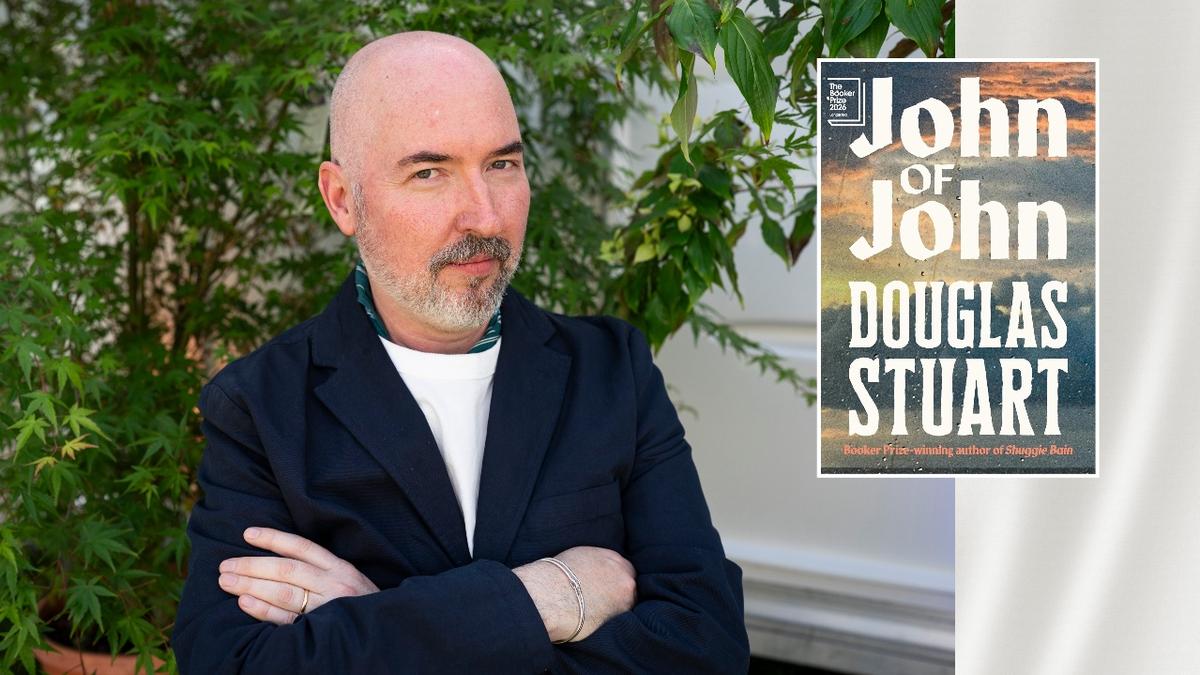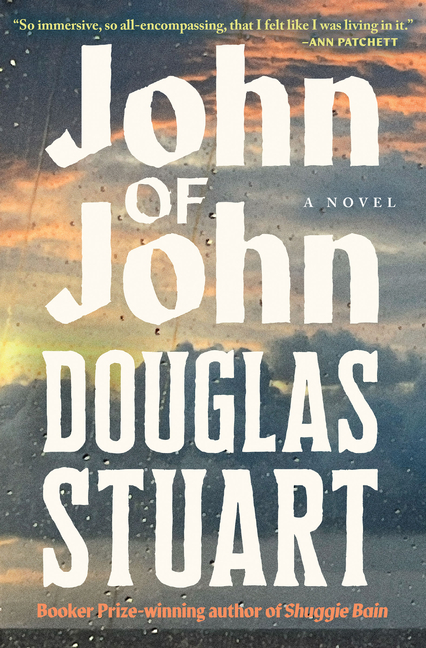
The Booker winner’s epic tale of gay love and loneliness in the Hebrides charts an uneasy homecoming against a backdrop of repression
T
here’s a common greeting in the Outer Hebrides: the lineage-establishing “Who do you belong to?” By the time this question is posed to 22-year-old gay Harris islander John-Calum Macleod, or Cal, in Douglas Stuart’s new novel, there is a sense that Cal is his father John’s beyond the ordinary claims of blood – the latter’s sway containing undercurrents of domineering ownership.
The book opens with the two conducting a strange ritual over the phone, performed regularly ever since Cal moved to Edinburgh to study textiles: John, a precentor, reads to Cal in Gaelic from the New Testament and has him sing back “with the full power of his belief”. The verse John recites – which prefigures the novel’s themes of repression and self-denial – urges the faithful to guide the errant and to stay vigilant against temptation. After receiving Cal’s assent, John orders him to return home, ostensibly because Cal’s maternal grandmother, Ella, is sick. Though John lives with Ella in her croft house, she is his ex-wife’s mother and thus not his responsibility.
Set within a tight-knit Free Presbyterian community of farmers, weavers and fishers in what appears to be the 1990s, John of John tells the story of Cal’s uneasy homecoming. It’s a reprise of the parable of the prodigal son and an ardent exploration of the half-lives of queer men condemned to love, pine and suffer in silence. Intimate yet epic in scale, it contains equal parts pastoral drama, tale of familial fracture, love story and inquiry into various forms of loneliness: the loneliness that can reside between fathers and sons, between lovers, between man and God, and between a small place and the big world.