ABBA MUHAMMED argues for cost differentiation between perennial pilgrims and first timers
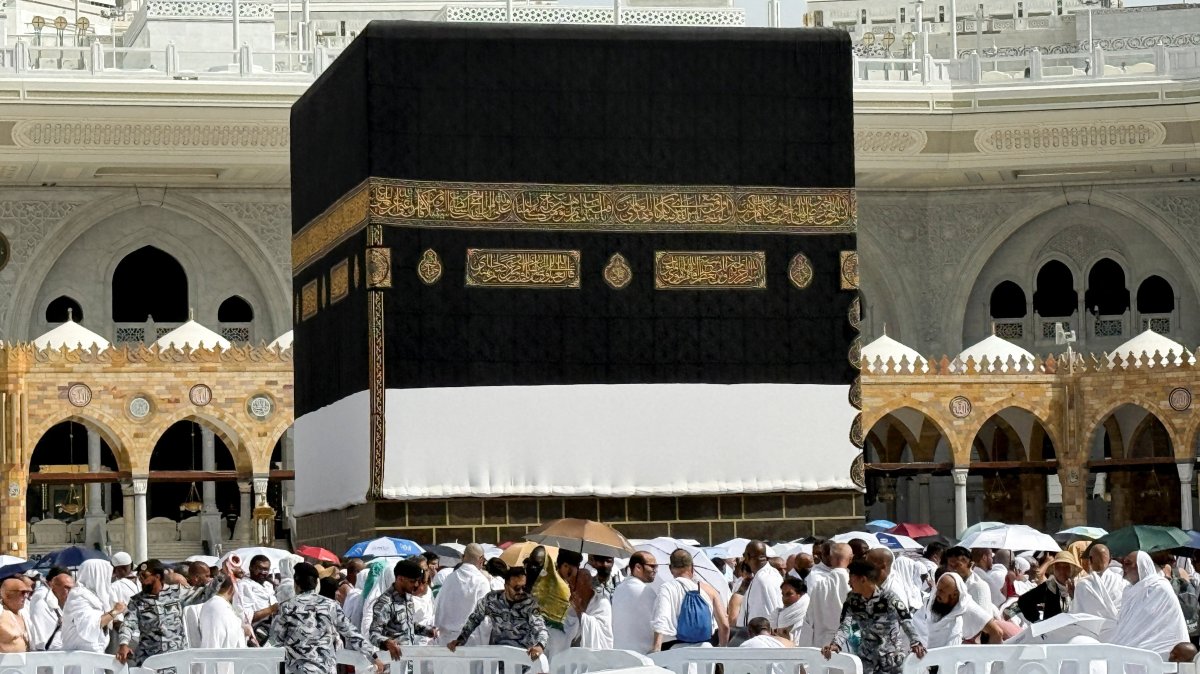
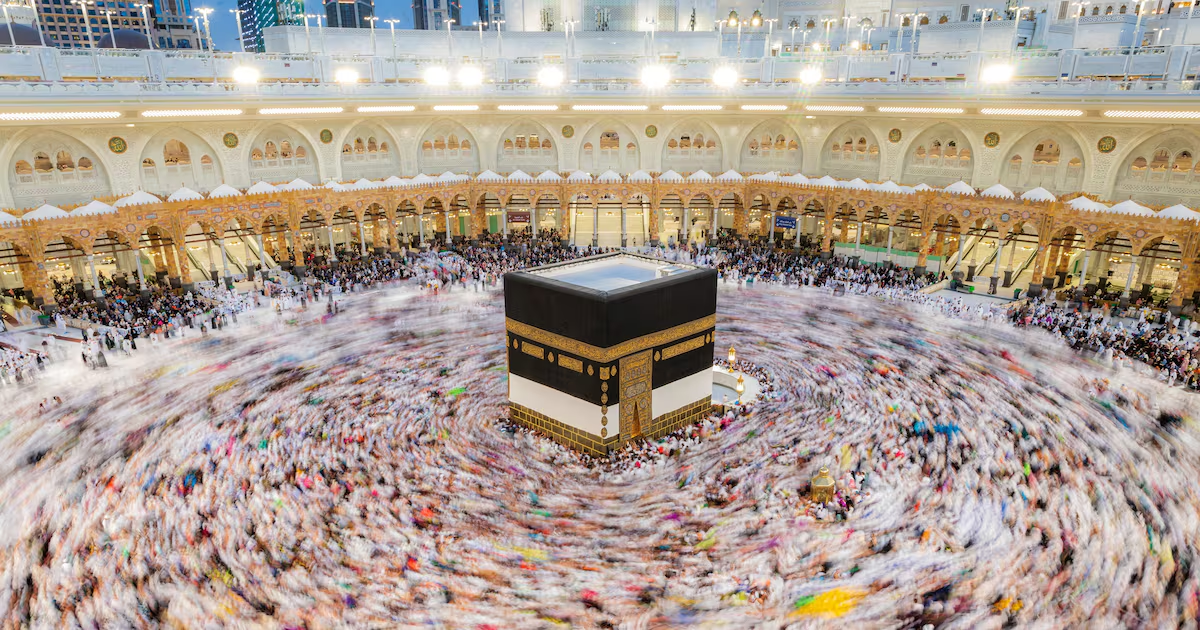
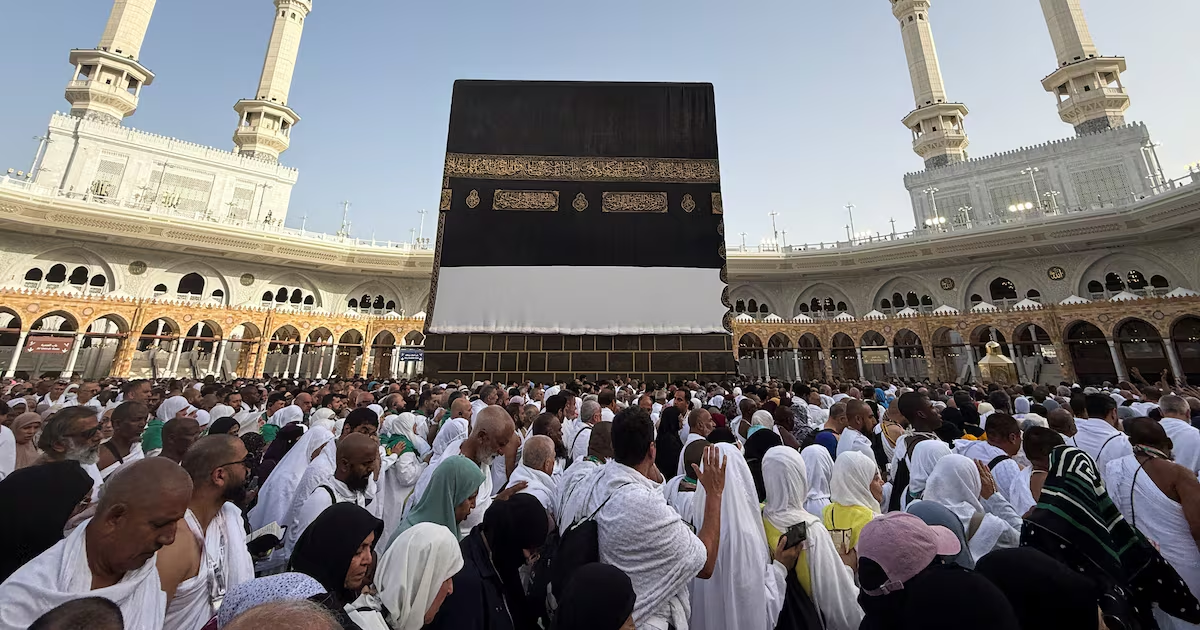
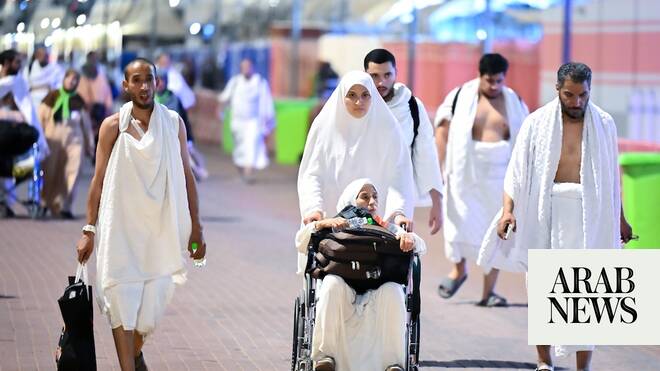
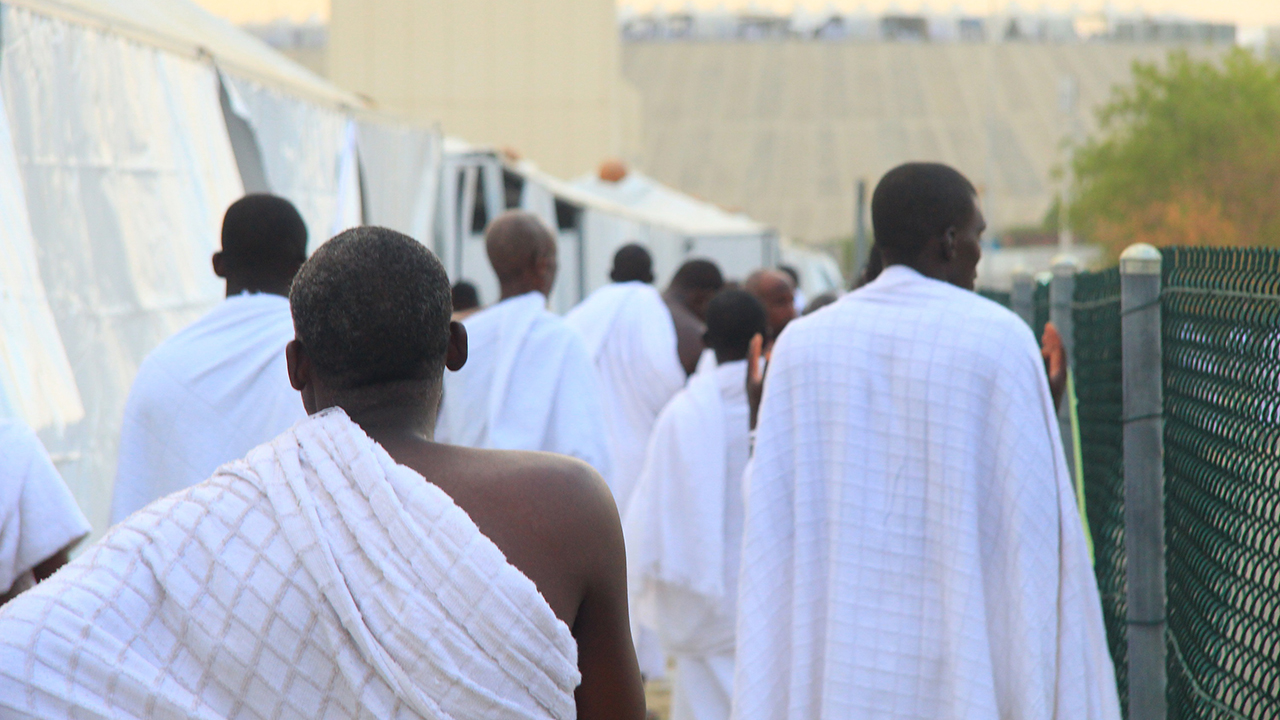
Hajj is a sacred Islamic religious pilgrimage and one of the pillars of Islam, an annual event that is obligatory, at least once in a lifetime for all Muslims that are capable. Quran Al-Imran, Ayah 97 says, “And pilgrimage to the House is a duty that mankind owes to Allah, (for) those who can afford the expenses”. This is why millions of Muslims around the world travel to Makkah and Madinah in Saudi Arabia to fulfill this important religious obligation.
The cost for Hajj is determined by national arrangements, and it varies from country to country by distance and quality of service. Additionally, every country is allocated number of permissible pilgrims, an important limiting factor. As such, depending on the location of the Nigerian pilgrim, it costs between N8,327,000 ($5,550) and N8,784,000 ($5,856) as computed by the National Hajj Commission of Nigeria (NAHCON). All exchanges are at N1,500/$.
Going by the global standard, the major costs for Hajj are accommodation, flight, ground transport and Visa. Even though this cost principle still holds for the fare computation by NAHCON, it is still hard to understand why hajj fare is more than $5,500 for the Nigerian pilgrim. Especially for a country with less than $50 a month as its minimum wage and a GDP per capita of less than $1,000. It is even more bewildering when the much talked about subsidy by the federal and states governments are put into play.