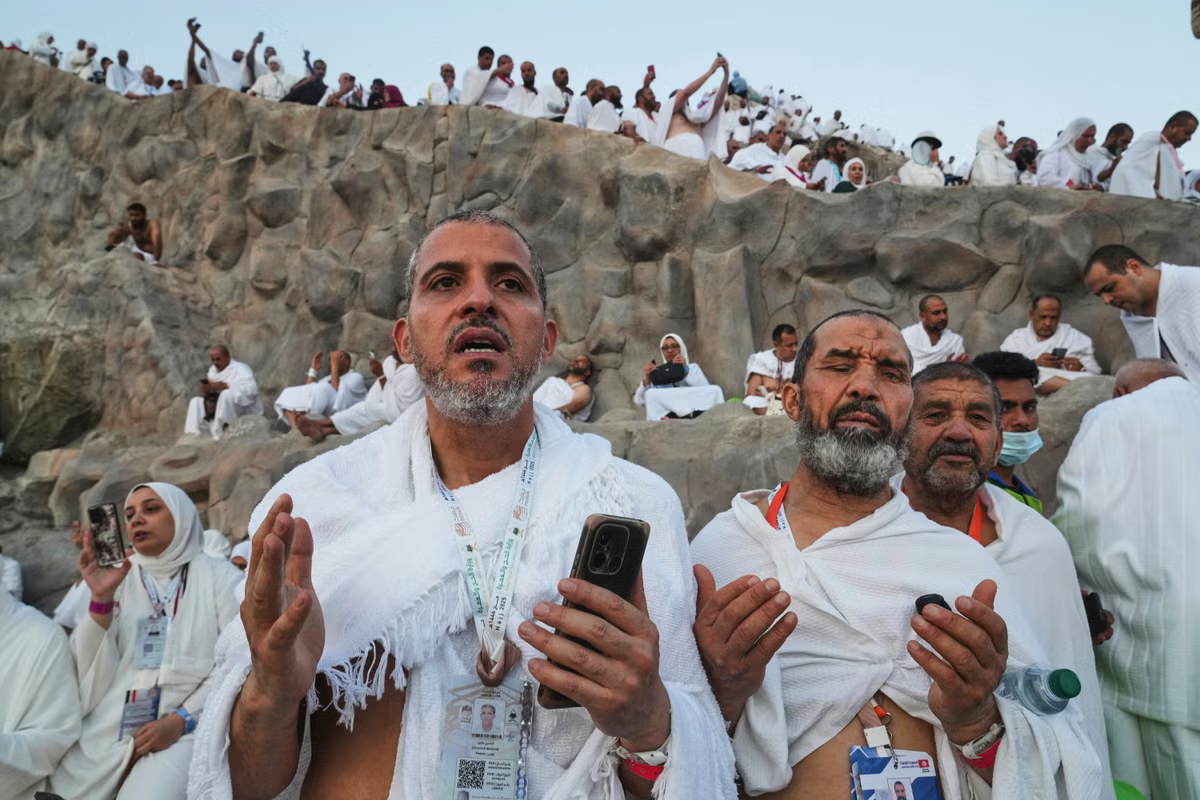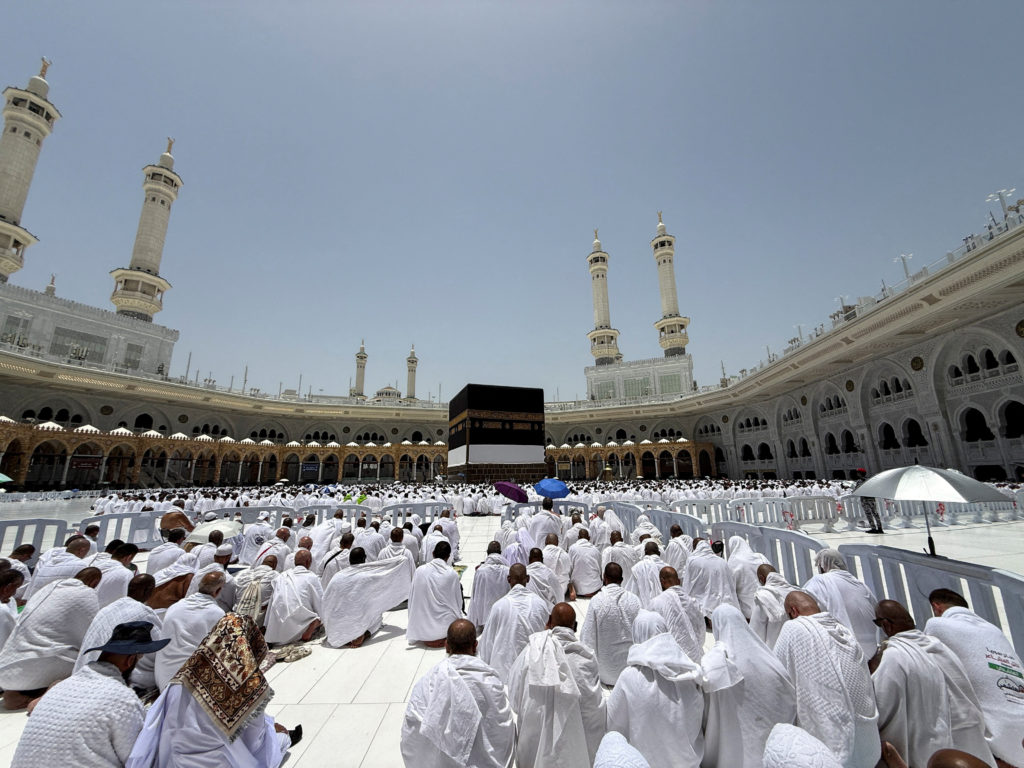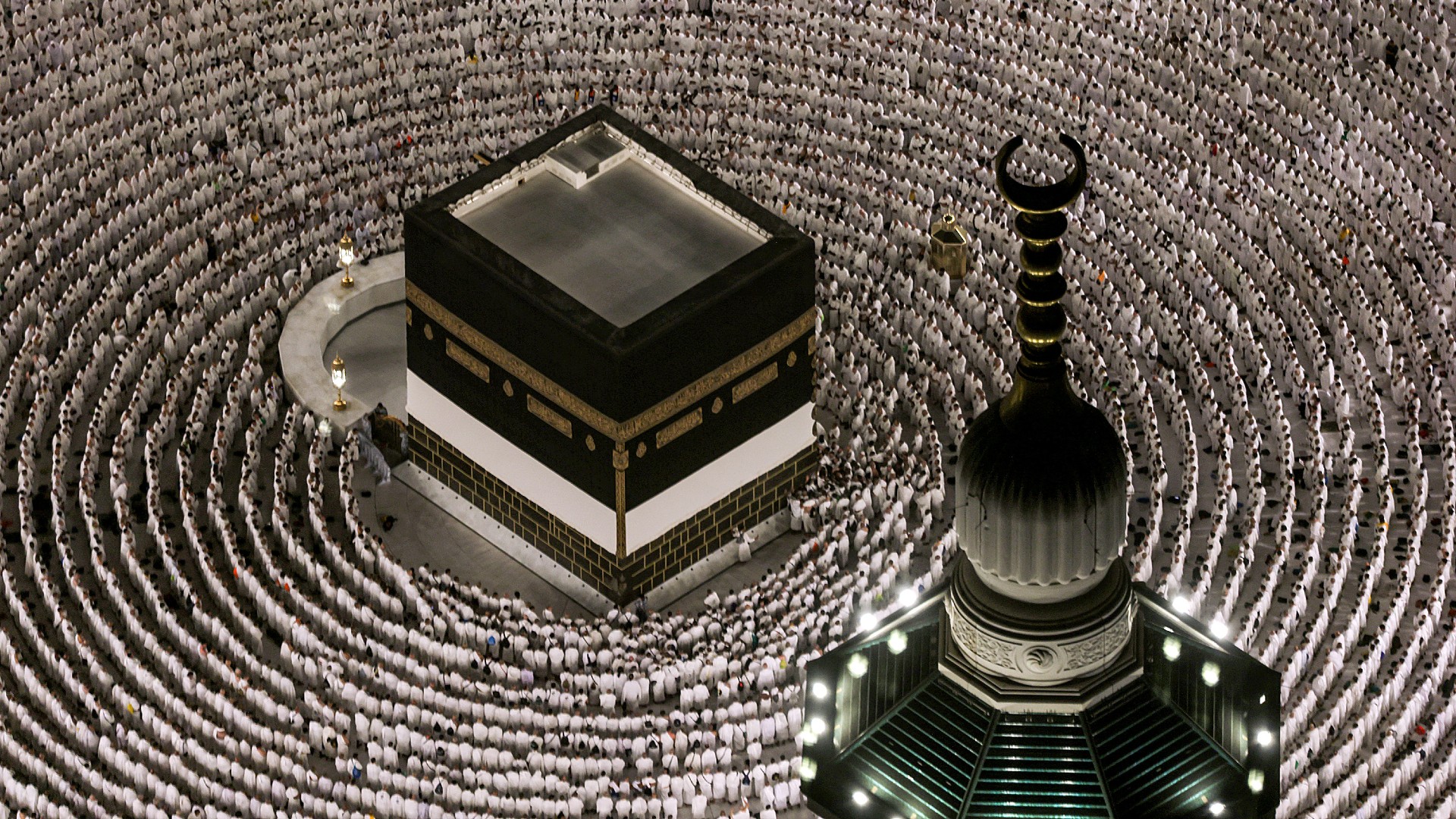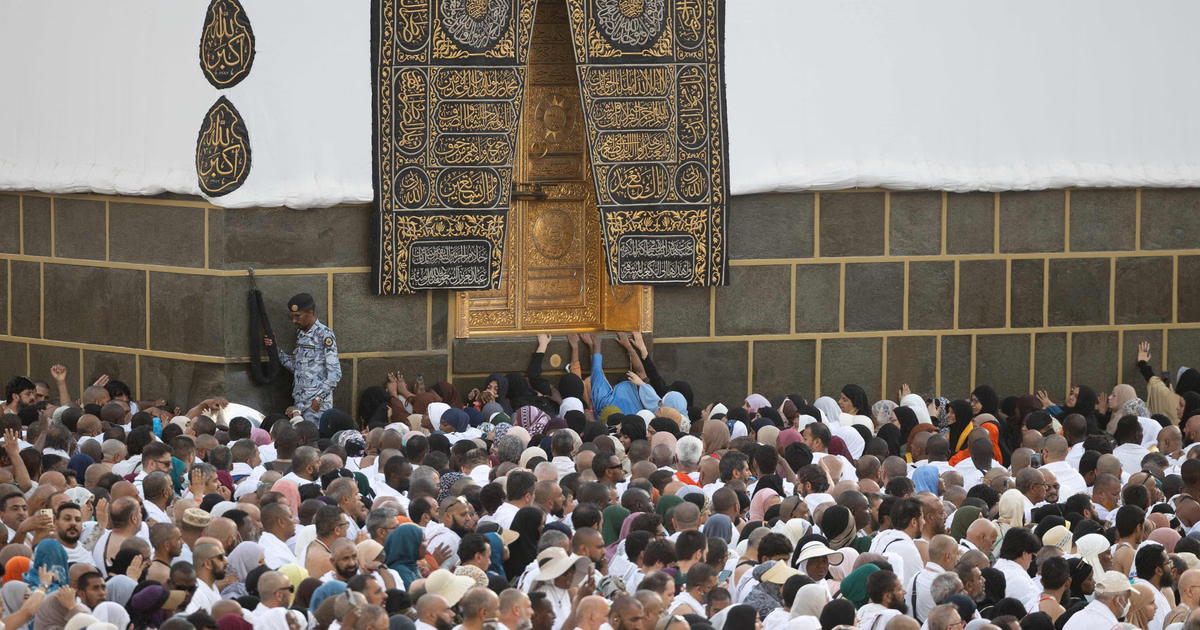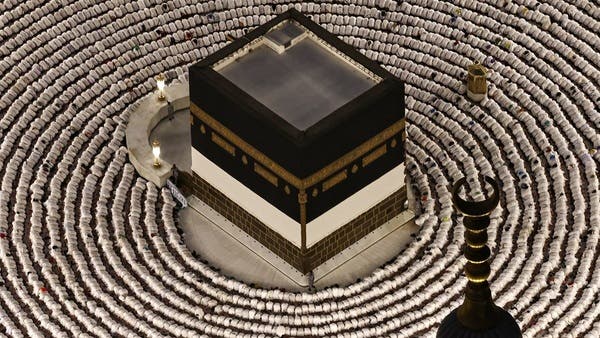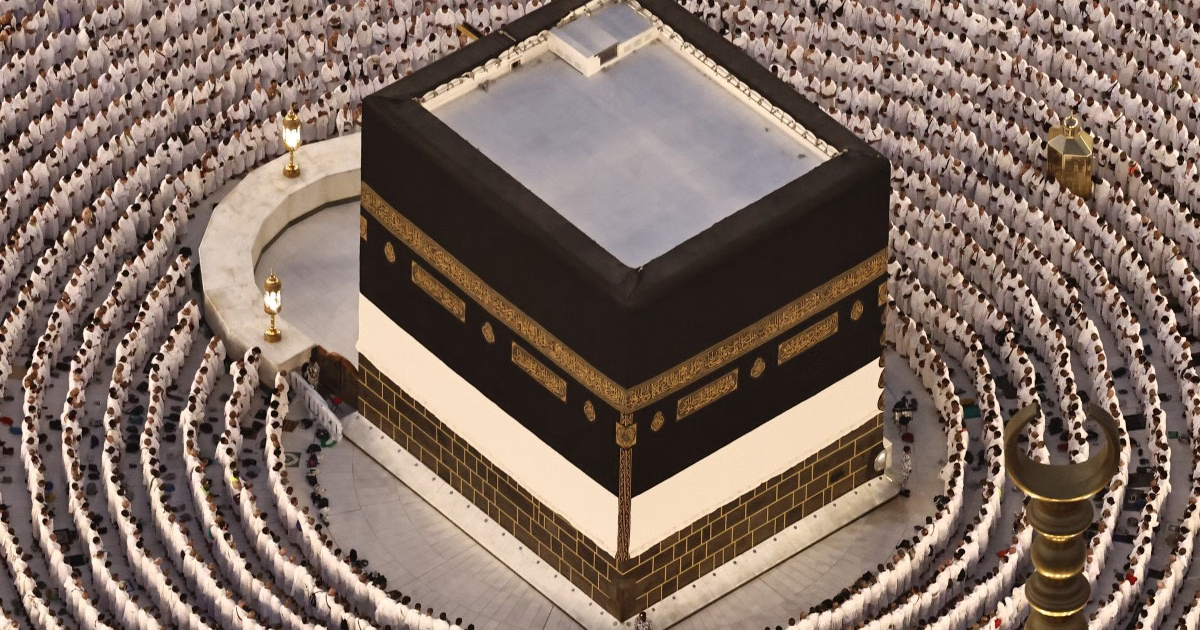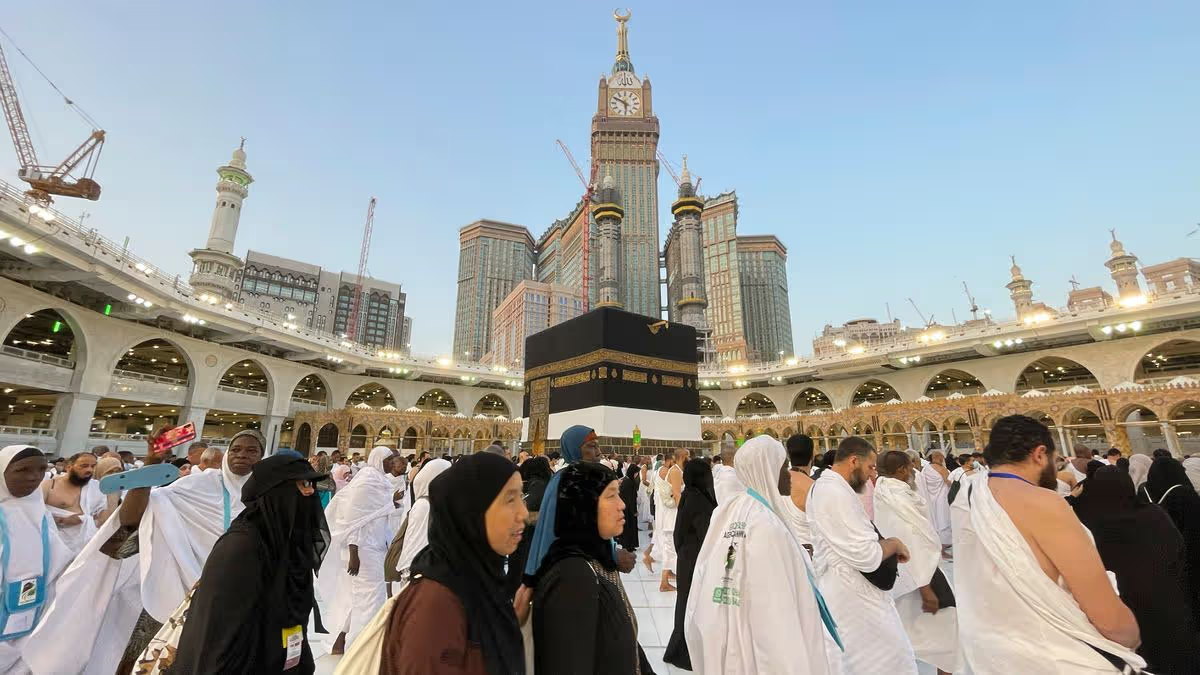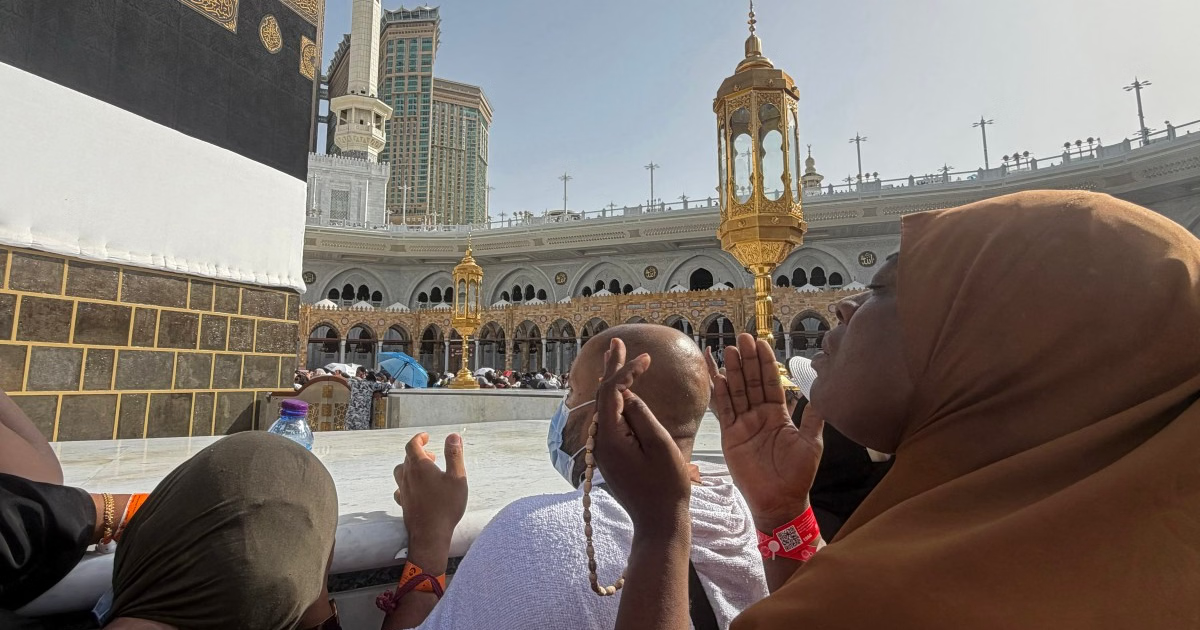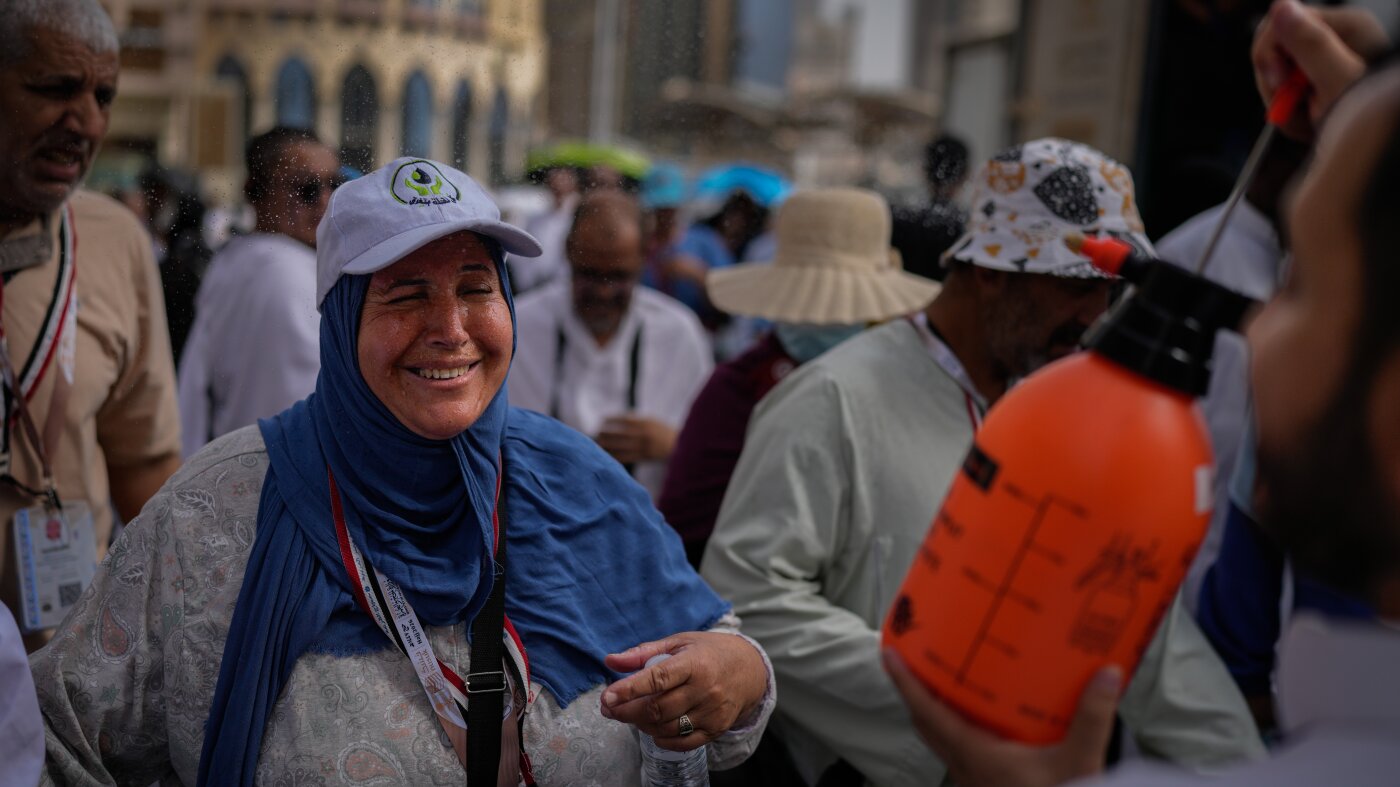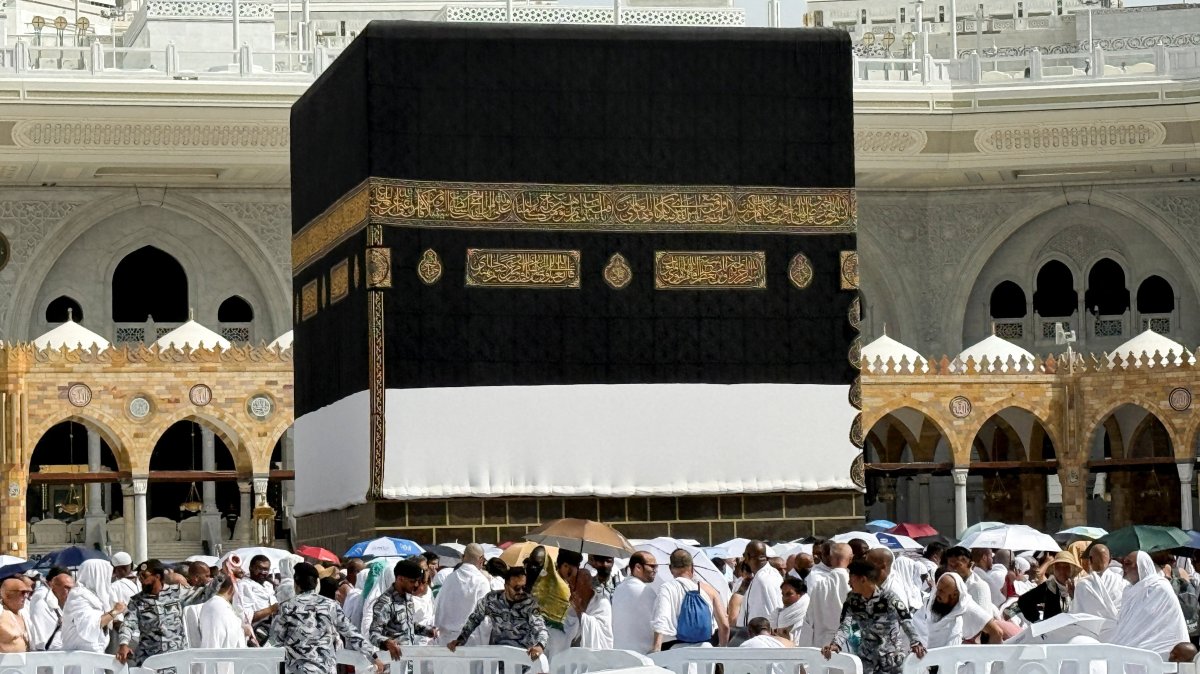
Once a year, large numbers of Muslim pilgrims converge in Saudi Arabia, uniting in religious rituals and acts of worship as they perform the Hajj. While fulfilling a religious obligation, they immerse themselves in what can be a spiritual experience of a lifetime for them and a chance to seek God’s forgiveness and the erasure of past sins.
This year, the Hajj has been approaching against the backdrop of a tenuous cease-fire in the Iran war and related tensions and uncertainty in the Middle East.
Earlier in the year, travel chaos from the war ensnared some of the Muslims who were in Saudi Arabia performing "Umrah,” often referred to as the lesser or minor pilgrimage. Some were stranded and scrambled to find their way home.
Here’s a look at the annual Hajj pilgrimage and its significance to Muslims.
The Hajj is the annual Islamic pilgrimage to Mecca in Saudi Arabia and involves a series of religious rituals. It’s required once in a lifetime of every Muslim who can afford it and is physically able to make it. Some Muslims make the journey more than once.