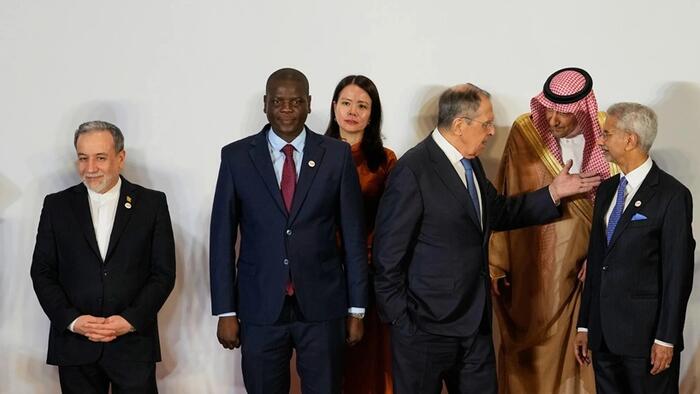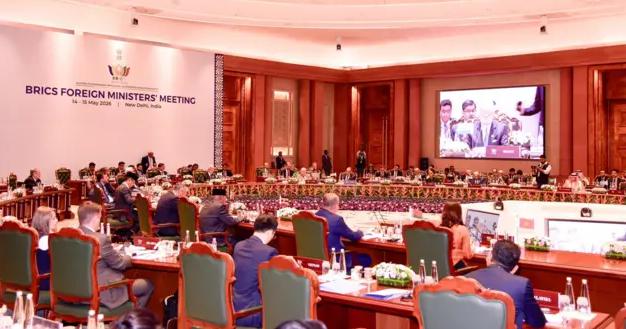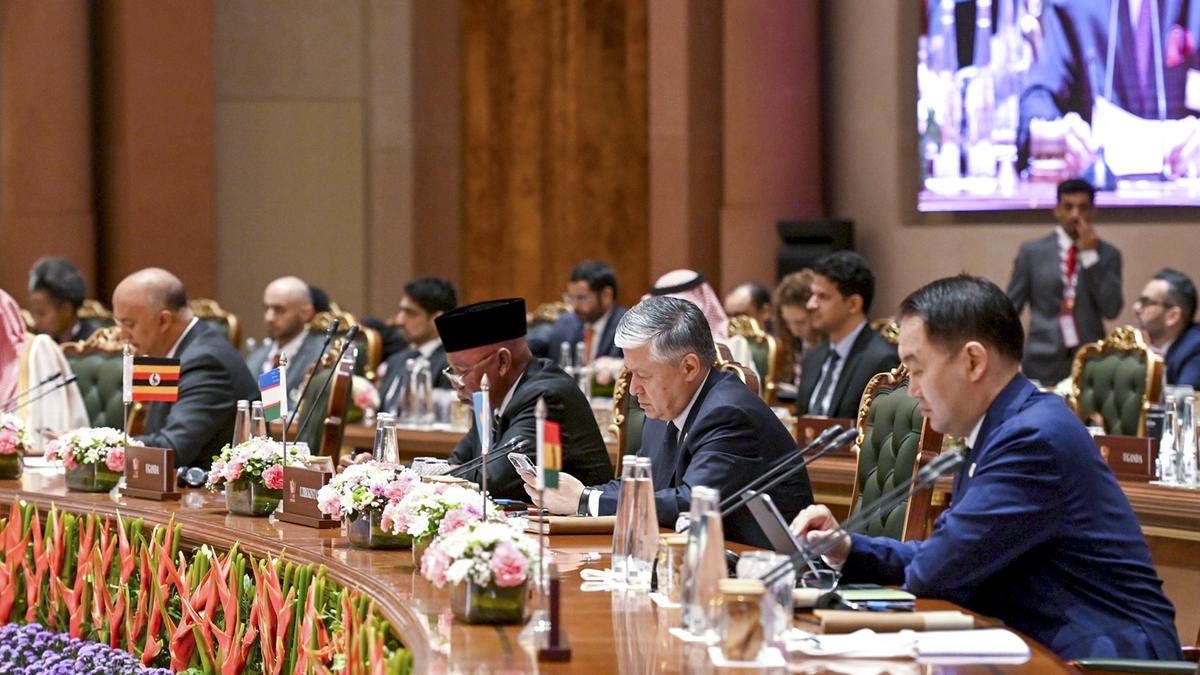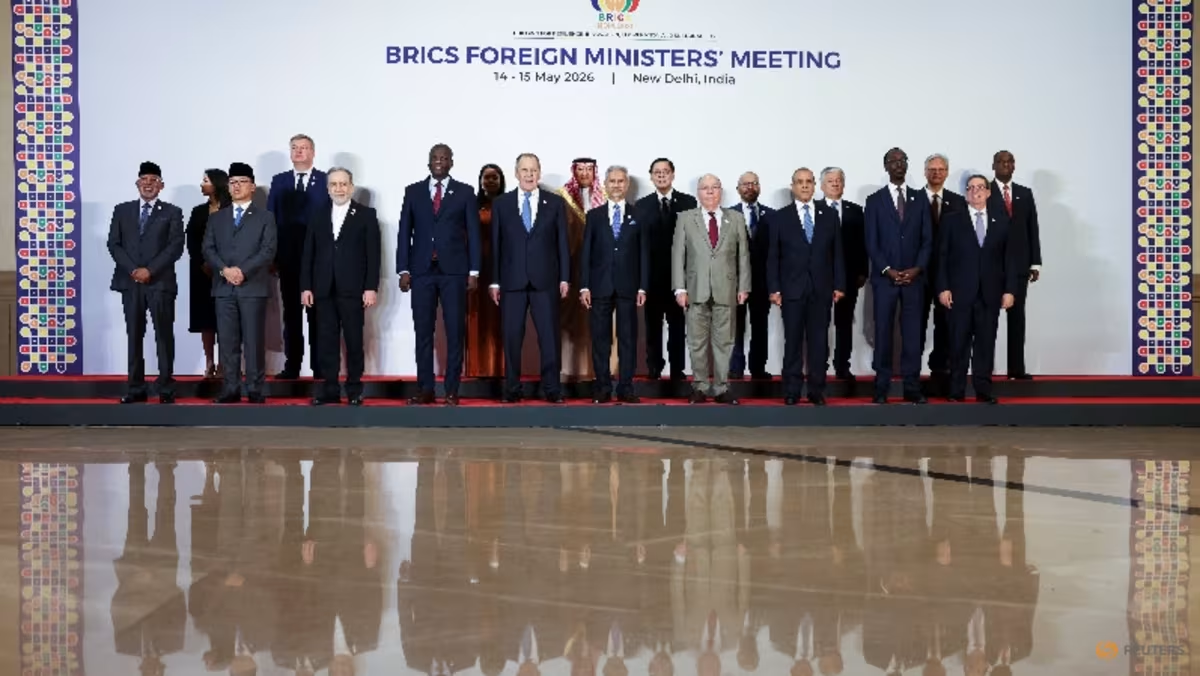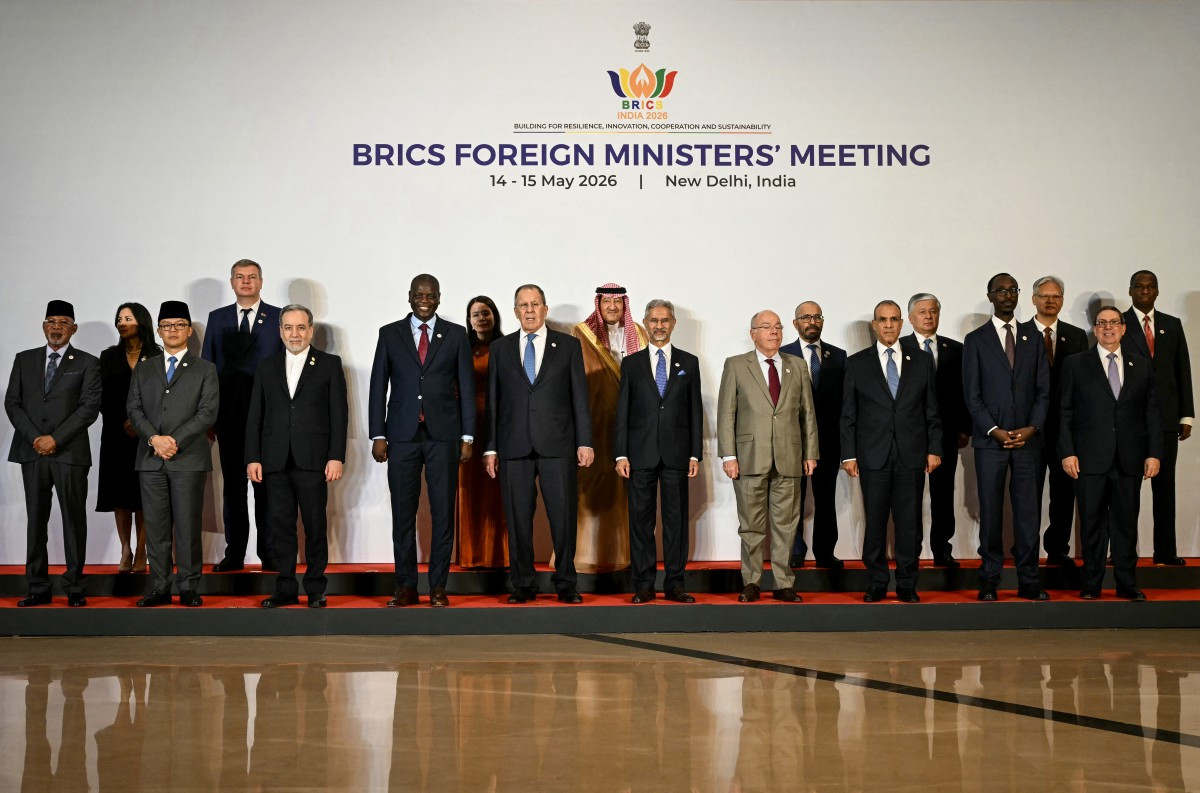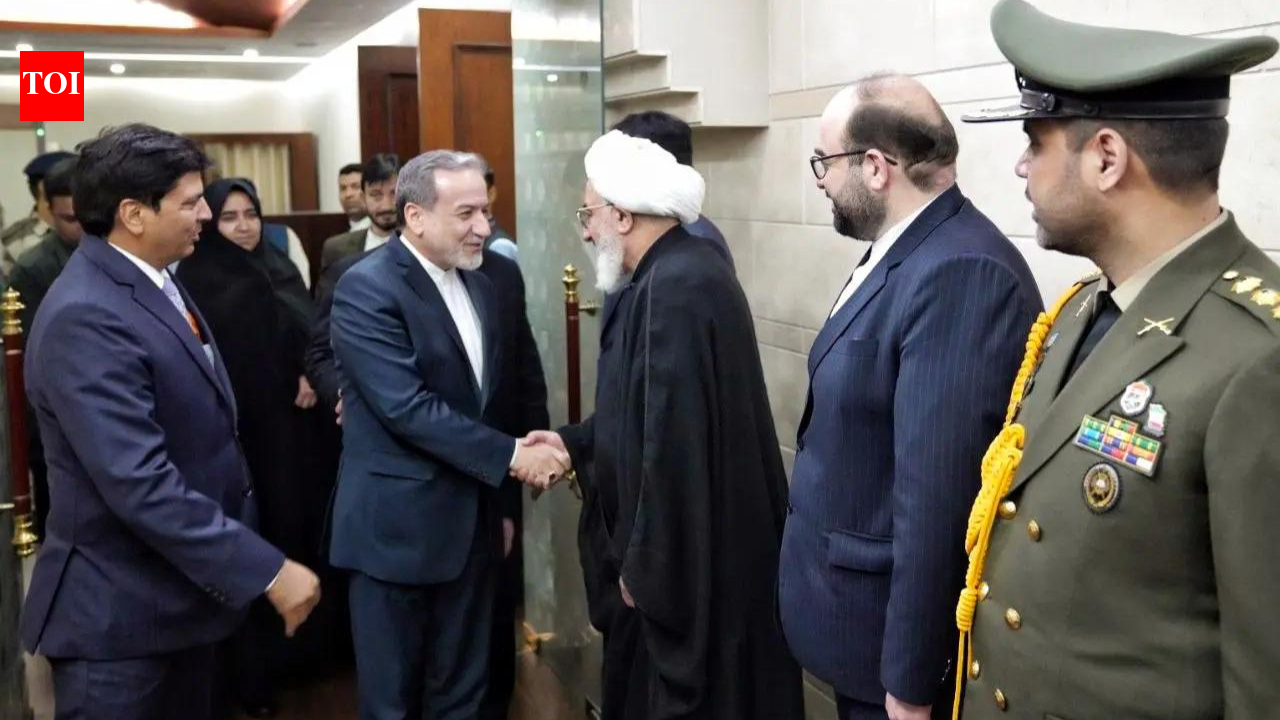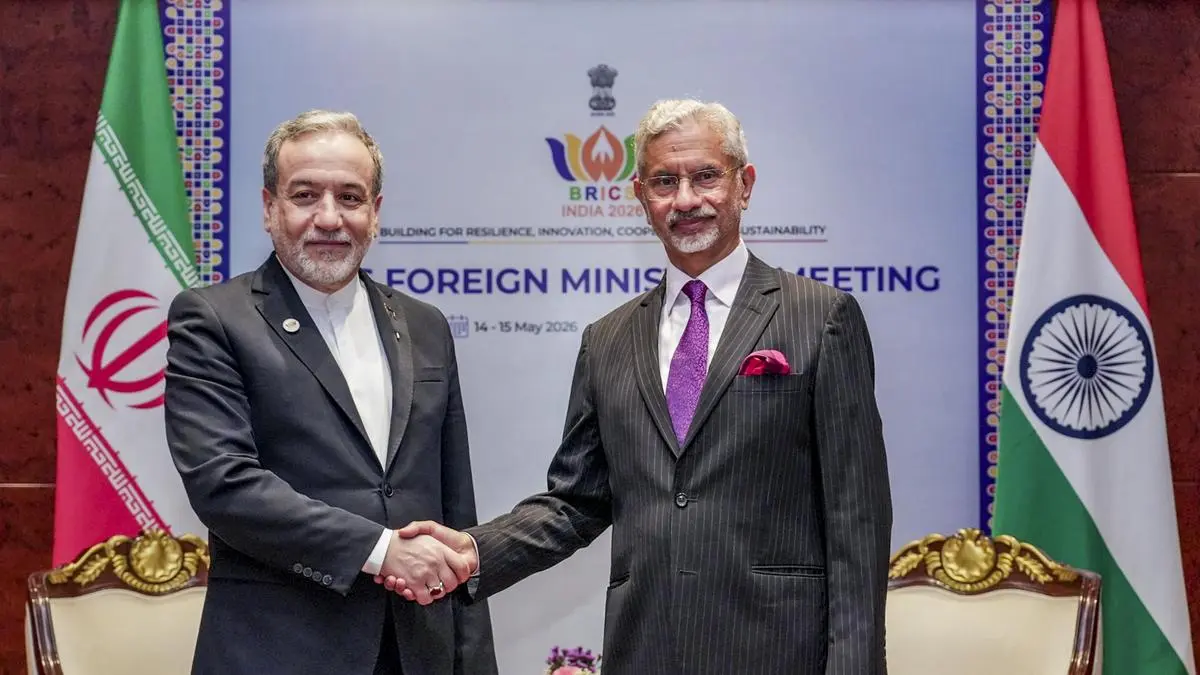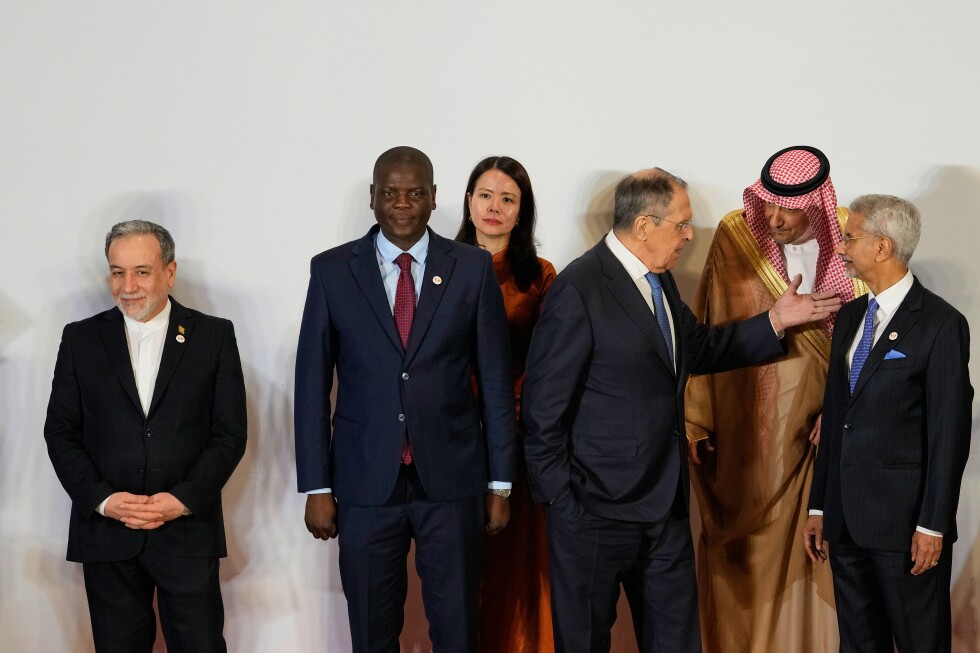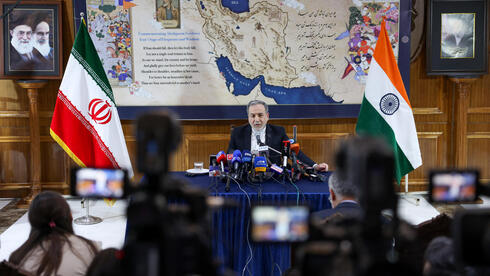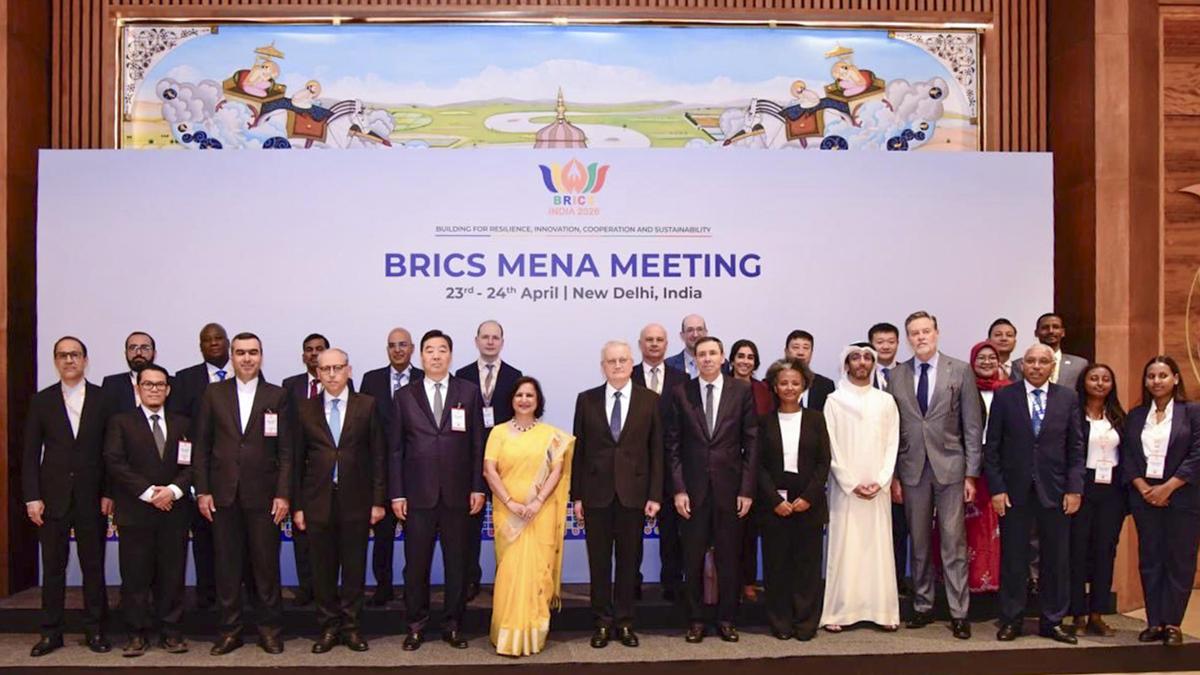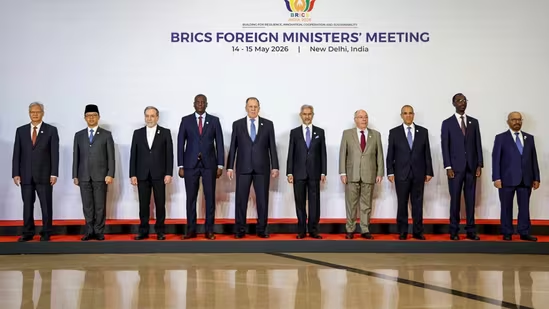
A crucial Brics meeting hosted by India concluded on Friday without agreement on a joint statement because of differences over the West Asia conflict, as Iranian foreign minister Seyed Abbas Araghchi sought to blame the United Arab Emirates (UAE) for the lack of consensus within the bloc.The West Asia conflict cast a shadow over the two-day Brics foreign ministers’ meeting as Iran and the UAE repeatedly sparred during sessions held behind closed doors. (@mfa_russia)The West Asia conflict cast a shadow over the two-day Brics foreign ministers’ meeting as Iran and the UAE repeatedly sparred during sessions held behind closed doors, people familiar with the matter said.While Iran demanded a condemnation of the “aggression” by Israel and the US be included in the joint statement, the UAE sought the inclusion of text condemning Iranian attacks on energy facilities and infrastructure in the Emirates, the people said.Brics operates by consensus and it was left to India to issue a “chair’s statement and outcome document” that summed up the deliberations at the foreign ministers’ meeting, which was part of preparations for the Brics Summit to be held in September. Even the chair’s statement included dissent notes from a Brics member state in paragraphs referring to the unification of the West Bank and Gaza Strip under the Palestinian Authority and freedom of navigation in the Red Sea and Bab Al-Mandab Strait.Araghchi responded to a question from HT at a news conference about differences between Iran and the UAE holding up consensus at the Brics meeting by saying that the final statement was “blocked by a member state, which has its own special relations with Israel”. While he didn’t name the country, it was apparent he was referring to the UAE.Also read | ‘India supports two-state solution’: Jaishankar on Palestine issue at BRICS meet“We have no difficulty with that certain country. They have not been our target in the current war. We only hit American military bases and American military installations, which are unfortunately on their soil,” Araghchi said. “So, the only reason they stopped the final statement was their support to Israel and the US in their aggression against Iran, which is very, very unfortunate.”Araghchi expressed hope that this Brics member state would reach an “understanding that Iran is a neighbour” before the upcoming Brics Summit in order to strengthen consensus within the bloc. “We have to live with each other. We have lived for centuries, and we have to live for centuries to come. Israelis cannot protect them, Americans cannot protect them – that was proved during this war,” he said.Also read | ‘Discussed situation in West Asia’: EAM Jaishankar meets Iran's Araghchi amid BRICS summitUS military bases and relations with Israel have become a “source of insecurity”, Araghchi contended. “These are the realities that they should understand, and I’m sure if they follow the line of wisdom, they will find Iran as a good neighbour and a good partner,” he said.There was no official word from the UAE on these developments.The statement issued by the Indian side acknowledged “differing views among some members” on the situation in West Asia. Brics member states expressed their national positions and called for an “early resolution of the current crisis, the value of dialogue and diplomacy, respect for sovereignty and territorial integrity, upholding international law, the importance of a safe and unimpeded flow of maritime commerce through international waterways, and the protection of civilian infrastructure and civilian lives”, the statement said.The statement said an unnamed member state had reservations on a paragraph about the unifying of the West Bank and Gaza Strip under the Palestinian Authority and calling on the world community to support the Palestinian Authority in “undergoing reforms to fulfil the Palestinians’ legitimate aspirations for independence and statehood”.An unnamed member state also had reservations about another paragraph that stressed the importance of ensuring navigational rights and freedom of vessels in the Red Sea and Bab Al-Mandab Strait and encouraging “continued support for dialogue and Yemen’s peace process under UN auspices”.The people cited above said the Brics member state that opposed both these paragraphs was Iran.Sudhakar Dalela, secretary (economic relations) in the external affairs ministry and India’s Brics sherpa, acknowledged the differences among member states on the West Asia conflict but pointed to the consensus reached by the bloc in a wide range of areas such as reform of global governance institutions and strengthening multilateralism.“As [the Brics] chair, it is our responsibility to make sure that we facilitate dialogue and discussion among all the members on all issues that are before Brics at this stage,” Dalela said. The member states had been able to find common ground on most of the matters that were discussed under the three key pillars of political and security issues, economic and financial and cultural and people-to-people ties, he argued.“We will be engaging with all the Brics members and partner countries going forward, building consensus wherever we can, and I’m very confident that we will have good engagement and consultations in the run-up to the summit in the second half of this year,” Dalela said.
No joint statement at Brics meet due to divisions over West Asia conflict
The Iran war cast a shadow over the two-day Brics foreign ministers’ meeting as Iran and the UAE repeatedly sparred during sessions held behind closed doors. | World News
845 words~4 min read