When Steve Jobs unveiled the first iPod in October 2001, he did not lead with engineering specifications or storage capacity. He did not say Apple had built a 5GB MP3 player. Instead, he offered a single, vivid line: “1,000 songs in your pocket.” Then he reached into his jeans and pulled the device out.
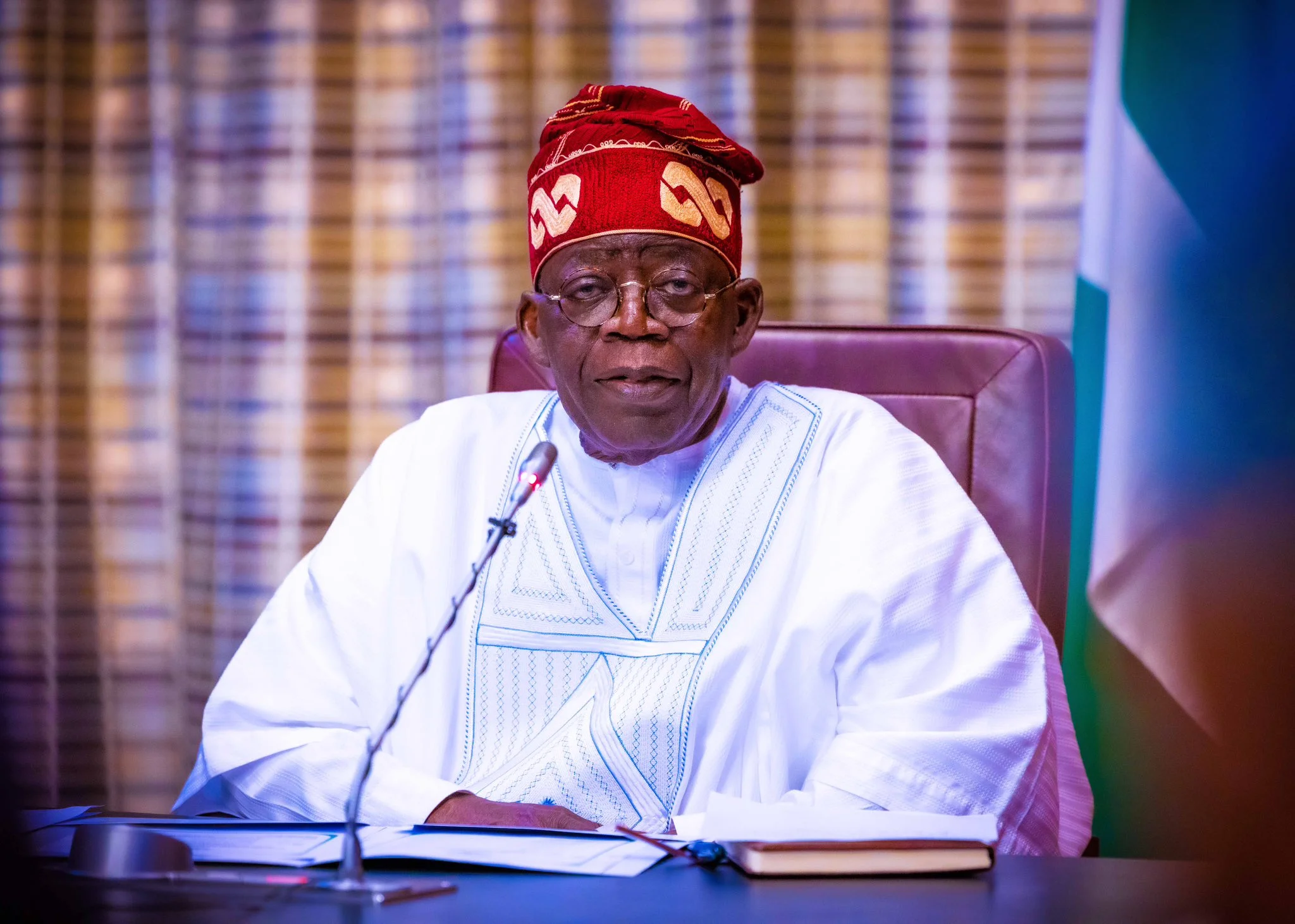
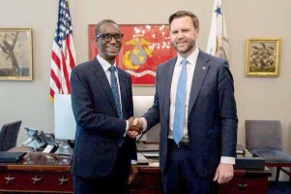
In that m A laundry list of corporate executives travelled in the delegation of President Bola Ahmed Tinubu to Kigali, Rwanda this week. Nigeria’s Minister of Defence, Christopher Musa, led another team of government officials to Monaco, while the National Security Adviser, Nuhu Ribadu, went to the United States to meet Vice President JD Vance, U.S. Secretary of State Marco Rubio, and other high-level American officials. It has been a full diplomatic schedule for the Nigerian government. But are these trips a success for Tinubu and his men?
That question matters because Nigeria is not operating from a position of fiscal comfort. The country is still wrestling with inflation, a fragile naira, deepening poverty, and worsening insecurity. Every presidential delegation, every security shuttle, and every international conference trip now carries an unavoidable political burden: taxpayers want to know whether these expensive diplomatic outings are producing measurable returns or merely generating photo opportunities.