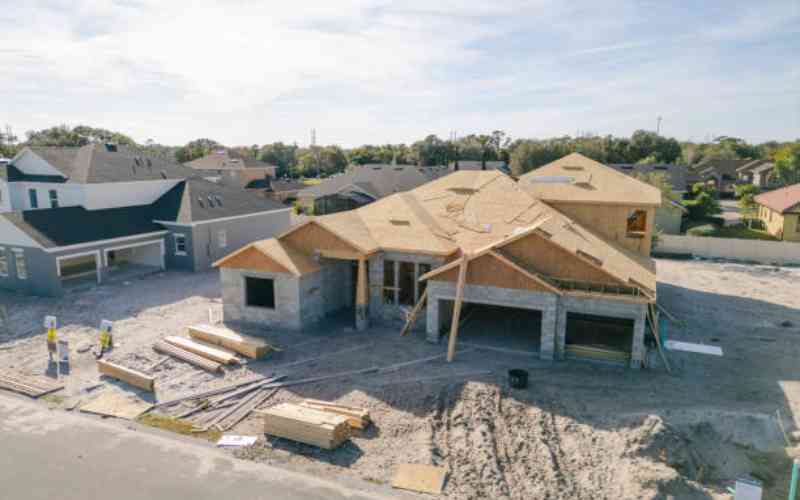
After years advising buyers in Israel, I’ve seen how inherited lawyers, skipped inspections and unchecked parking assumptions can derail deals or cost clients tens of thousands of shekels; here’s how to avoid the same mistakesAfter years in real estate, I’m grateful to say that the overwhelming majority of transactions I’ve been part of have ended exactly the way they should: with happy buyers, relieved sellers, signed contracts and keys changing hands.But every once in a while, something happens that reminds you just how many moving parts are involved in a real estate transaction, and how expensive things can become when proper due diligence is ignored.4 View gallery Mistakes can become expensive when proper due diligence is ignored (Photo: Noah Sander)Like any industry, real estate has its share of excellent professionals and its share of problematic ones. I’ve been fortunate to meet and work alongside exceptional people in legal representation, financing, design and beyond. I’ve also seen what happens when ego, incompetence or misaligned incentives enter a transaction. Unfortunately, it is almost always the client who ends up paying the price.The goal of this article isn’t to point fingers. Every industry has the good, the bad and the ugly. The goal is to bring to light some very real situations I’ve personally encountered on the front lines of the Israeli property market, and more importantly, what buyers and sellers can do to avoid finding themselves in similar situations.One of the more common and often overlooked risks I’ve seen has nothing to do with the property itself. It has to do with legal representation. I’ve seen this from both the buyer and seller side.In one case, a family abroad had inherited an apartment from their parents. Naturally, they continued working with the same lawyer who had handled the family’s affairs for years. On paper, it made sense. There was trust. There was history. But the inheritors themselves had little to no personal history with that lawyer.Today, there is one thing I can say with confidence: within the first thirty seconds of a phone call with the lawyer representing my client, I usually know exactly how the rest of the transaction is going to go.As we began bringing serious offers to the table, nothing was progressing. Every time a qualified buyer appeared, new roadblocks suddenly emerged. New reasons appeared for why the deal couldn’t move forward. Many of them were vague, inconsistent or easily solvable. I would go so far as to say that a simple phone call likely could have cleared the air.Over time, it became increasingly clear that not everyone involved appeared equally motivated to get the transaction done efficiently. And in real estate, when ego enters the room, it often becomes the nail in the coffin for a deal that otherwise should have closed.To make matters worse, the sellers later told me they were paying this lawyer on retainer, meaning every delay, every unnecessary complication and every wasted month was still costing them money. By the time they finally changed representation, it had already cost them thousands of shekels, not to mention valuable time and unnecessary stress.In another transaction, this time from the buyer’s side, I was working with clients looking to purchase a new construction property. Twice in a row, deals collapsed during the legal process, and the reasons being given simply didn’t make sense.4 View gallery (Photo: Noah Sander)Every time I called the lawyer involved, I was met with vague explanations, unclear answers and an attitude of, “Don’t worry, I know what I’m doing.” Eventually, I asked the buyers a simple question: How exactly did you meet this lawyer?As it turned out, the recommendation had come through a casual acquaintance. After digging deeper, we discovered something even more concerning: the lawyer’s specialty wasn’t even real estate. His background was in an entirely different area of law.At that point, I had to have a very direct conversation with my clients. I told them point blank: If your goal is to actually complete this transaction successfully, you need to seriously consider changing representation.That is never a conversation I enjoy having. It is always a last resort. But I won’t hesitate to have it when necessary. Thankfully, they listened, and lo and behold, the very next transaction closed successfully. It was a night-and-day experience.Just because a lawyer came through family or through an acquaintance doesn’t automatically mean they are the right fit for this transaction, or the right fit for you.Real estate, especially in Israel, is highly specialized. And when something feels off, ask questions. Ask what deals they have closed recently. Ask what they specialize in. Most importantly, make sure the professionals around you are helping the deal move forward, not arbitrarily holding it back.In another transaction, I was involved in the sale of an apartment where the buyers were highly motivated and under pressure to move quickly. They loved the apartment. It was in the exact area they wanted. They didn’t want to lose it. And they wanted certainty.For peace of mind, I always recommend bringing in an inspector during the due diligence phase of a deal. In Israel, apartments are generally sold “as is,” and purchases are usually not conditional upon inspection. But at the very least, you should know what you are buying.4 View gallery (Photo: Noah Sander)Instead, in the interest of speed, a compromise was made. Rather than carrying out a proper inspection, the parties agreed on a budget cap for any “minor fixes” that might come up after closing. On paper, it seemed reasonable. Both sides agreed. But the reality turned out to be very different.Shortly after the deal closed, the new owners began renovation work and other improvements to the property. In one main area of the apartment, the electric shutters were not closing properly. This had been factored into the original repair budget cap agreed upon by the parties.The problem? These weren’t standard shutters. They were a rare custom system that couldn’t be repaired, only completely replaced.What followed was exactly what nobody wants after closing: finger-pointing, frustration and an expensive lesson that could have been avoided before a single shekel changed hands. The final cost? Tens of thousands of shekels.In real estate, moving with urgency is often necessary, and sometimes it is exactly what gets a deal done. But urgency should never replace due diligence.It is very simple: no matter how perfect a property looks, and no matter how eager you are to sign the contract, bring an inspector. A few thousand shekels spent upfront can save you tens, or sometimes hundreds of thousands, later.Earlier in my career, I experienced a situation that, to this day, I still think about whenever a client considers buying a property with robotic parking.At the time, I was helping American buyers purchase an apartment in Tel Aviv while relocating from abroad. Like many buyers making Aliyah or moving to Israel long-term, they were also shipping their car overseas. Parking wasn’t a luxury for them. It was essential.The apartment checked all the boxes. Great location. Strong building. Private parking included. The deal moved forward, contracts were signed and everyone was happy.Then their car arrived.And that’s when we discovered something nobody, not me, not the lawyers, not the buyers and not even the sellers, had thought to verify. The car didn’t fit in the robotic parking system. It was simply too large.4 View gallery (Photo: Noah Sander)Just like that, a feature that added significant value to the apartment, something worth hundreds of thousands of shekels in a city like Tel Aviv, became practically useless for the people who needed it most.Suddenly, the buyers were faced with an expensive and frustrating reality. Do they sell the car and buy something smaller? Do they rent parking nearby indefinitely?None of these were conversations anyone expected to be having after closing. And honestly, it was one of those lessons you never forget.Sometimes the most expensive mistakes in real estate don’t come from bad intentions, hidden defects or questionable contracts. Often, they come from assumptions.Today, if you are considering a property with robotic parking, which is common in Tel Aviv, don’t assume anything. Physically test the vehicle. I set this up with clients all the time. If it is new construction, review the manufacturer specifications, dimensions, height restrictions, weight limits and compatibility in advance.Because in real estate, the details that seem small before signing often become very big after closing.The longer I work in this business, the more I realize that the biggest horror stories in real estate rarely begin with fraud, bad intentions or obvious red flags. More often, they begin with assumptions. An inherited professional nobody questioned. An inspection someone thought could wait. A parking spot everyone assumed would work.Real estate in Israel is emotional, and the pressure to make decisions can be intense, especially for buyers coming from abroad who may feel they need to move fast when the right opportunity appears. But in my experience, the clients who ultimately make the best decisions aren’t the ones who move the slowest, and they certainly aren’t the ones who move recklessly. They are the ones who know when to move fast, but do their homework first.Because in real estate, speed may win you the deal, but preparation determines whether it was the right deal to begin with. And what you don’t know before signing can become very expensive after closing.Noah Sander is a Canadian-born real estate advisor based in Tel Aviv and founder of ZionistInvestor.com. Having made Aliyah himself, Noah has spent years guiding buyers from abroad and specializes in helping international clients navigate the Israeli property market with greater confidence. For inquiries: [email protected]
Buying a home in Israel? These costly mistakes can turn a dream deal into a nightmare
After years advising buyers in Israel, I’ve seen how inherited lawyers, skipped inspections and unchecked parking assumptions can derail deals or cost clients tens of thousands of shekels; here’s how to avoid the same mistakes
1,603 words~7 min read