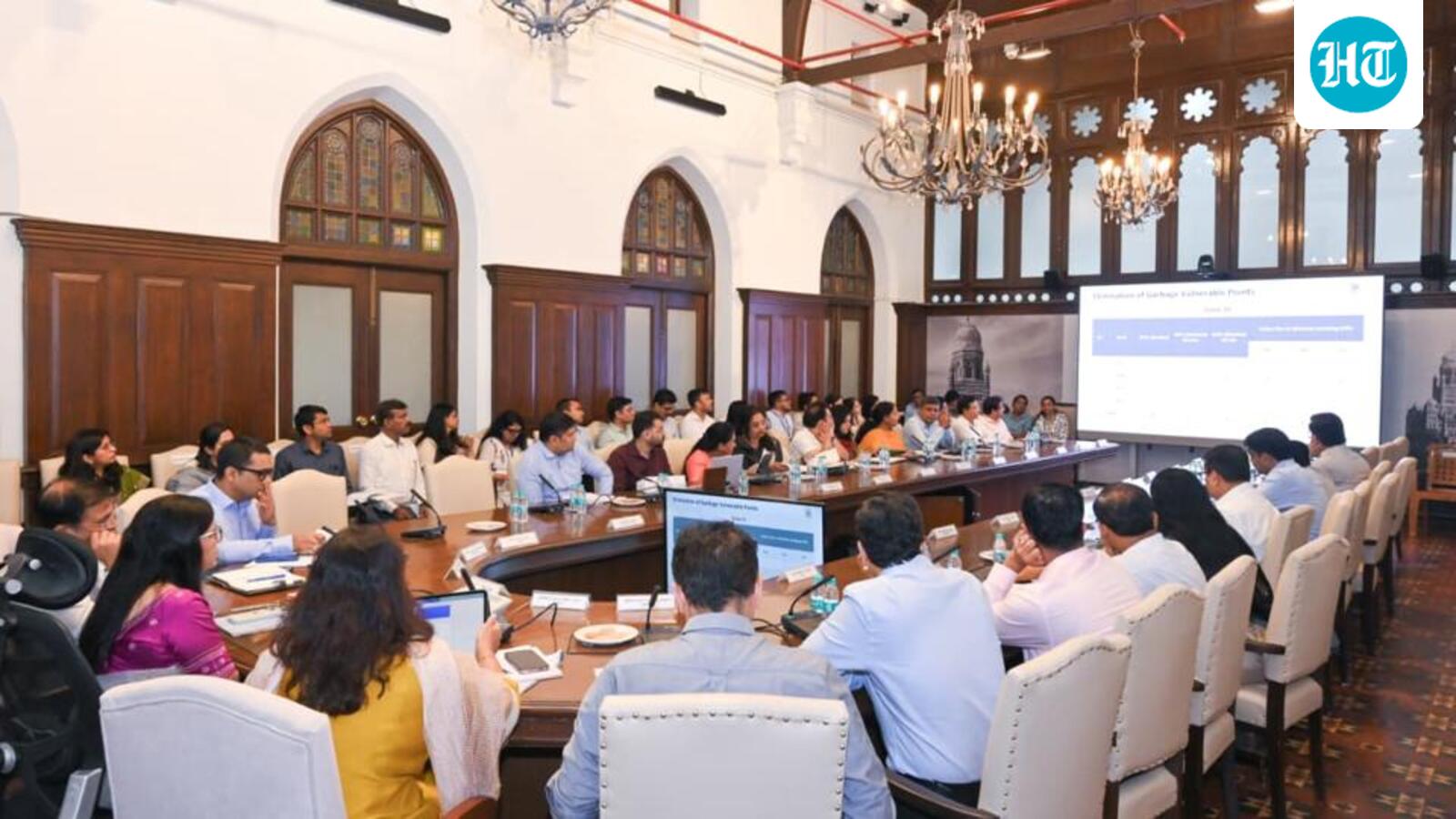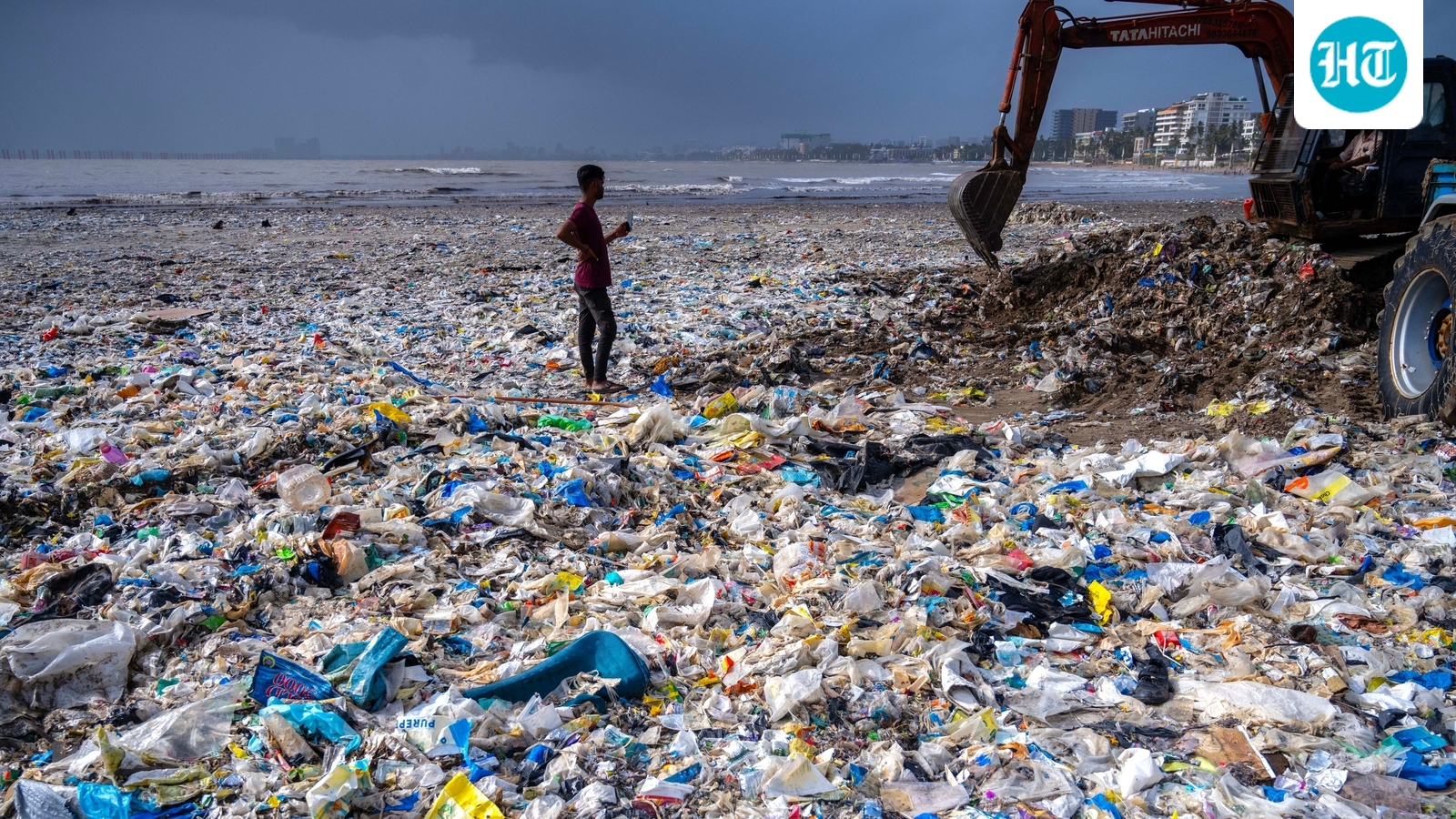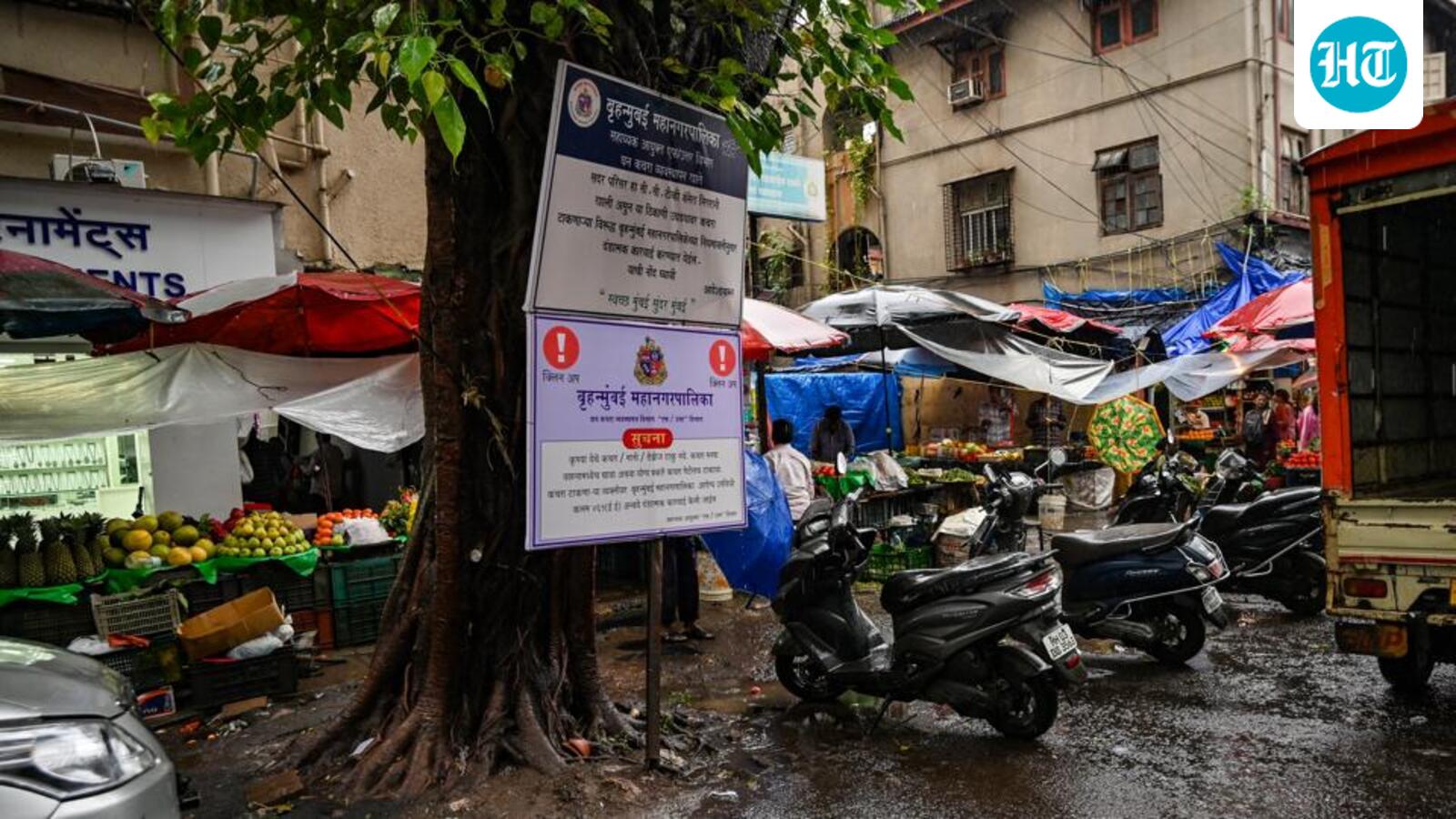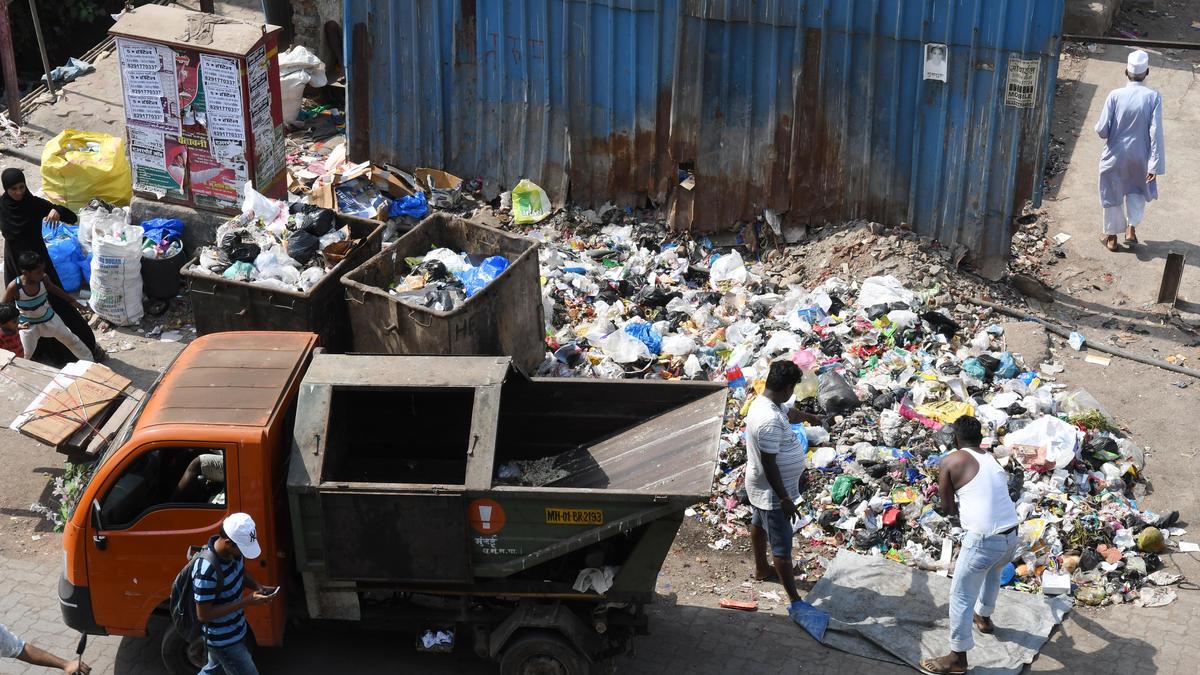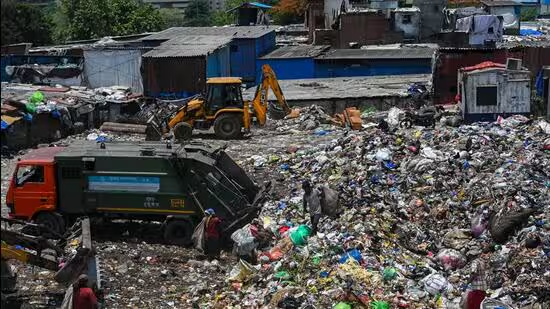
MUMBAI: Starting from June, the BMC plans to privatise its garbage collection system across the city, except for the M-E and M-W wards. Private agencies will handle the entire process right from doorstep pick-up to segregating the garbage, transferring it to garbage trucks and taking it to unloading sites. The initiative will be implemented in the city in phases and is likely to be completed by August 2026.Mumbai, India. May 16, 2025: BMC`s garbage truck collected garbage from Eastern and Central Mumbai and dumped it at Kurla Refuse Transfer Stations (RTS). Mumbai, India. May 16, 2025. (Photo by Raju Shinde/HT Photo) (Hindustan Times)“Contractors will have to oversee entire areas, and handle the garbage collection system using their own vehicles and labour staff. They will be paid on the basis of the garbage collected,” Kiran Dighavkar, deputy municipal commissioner of the solid waste management department, told HT. “This new system is meant to improve efficiency in the garbage management system and will be in force for the next seven years.”The private contractors will also have to manage the garbage collection from the community bins and litter bins in their demarcated areas with their own attendants. The city currently has 2,819 litter bins and 1,196 community collection spots in the city, which the contractors will have to maintain for a year, ensuring replacement of community bins when required.Subsequently, they will have to work towards eliminating all community collection points by diverting the waste into a doorstep collection system. Assistant municipal commissioners, who head each of the city’s 26 wards, have already been asked to identify garbage hotspots or garbage-vulnerable points in their areas and work towards reducing them in a time-bound manner.The contractors will also be responsible for ensuring that separate vehicles are used for dry waste and kitchen waste, and that the vehicles transporting kitchen waste do not leak liquid waste en route. They will also have to operate two tempos per ward exclusively for carrying the dry waste. They will also have to undertake ICE (Information, Education and Communication) activities to increase awareness, change attitudes and promote positive garbage practices among citizens.Dighavkar said that a major challenge for the garbage collection system was citizens’ apathy. “Since the Swachh Bharat Abhiyaan in 2014, we have spent almost 10 to 12 crore rupees annually on creating awareness and stressing the importance of garbage segregation at source,” he said. “Despite our efforts, we have reached nowhere, particularly after the pandemic. We will now have to start all over again.”Dhaval Shah from the Lokhandwala Oshiwara Citizens Association welcomed the move. “Currently, the schedules of garbage collection vehicles are a bit irregular, besides the vans being poorly maintained,” he said “Hopefully, privatisation of services should take care of such things. Also, with private entities, citizens can demand better services, which may not be the case with government agencies.”
BMC set to privatise garbage management in city
The private contractors will also have to manage the garbage collection from the community bins and litter bins in their demarcated areas with their own attendants. The city currently has 2,819 litter bins and 1,196 community collection spots in the city, which the contractors will have to maintain for a year, ensuring replacement of community bins when required | Mumbai news
473 words~2 min read