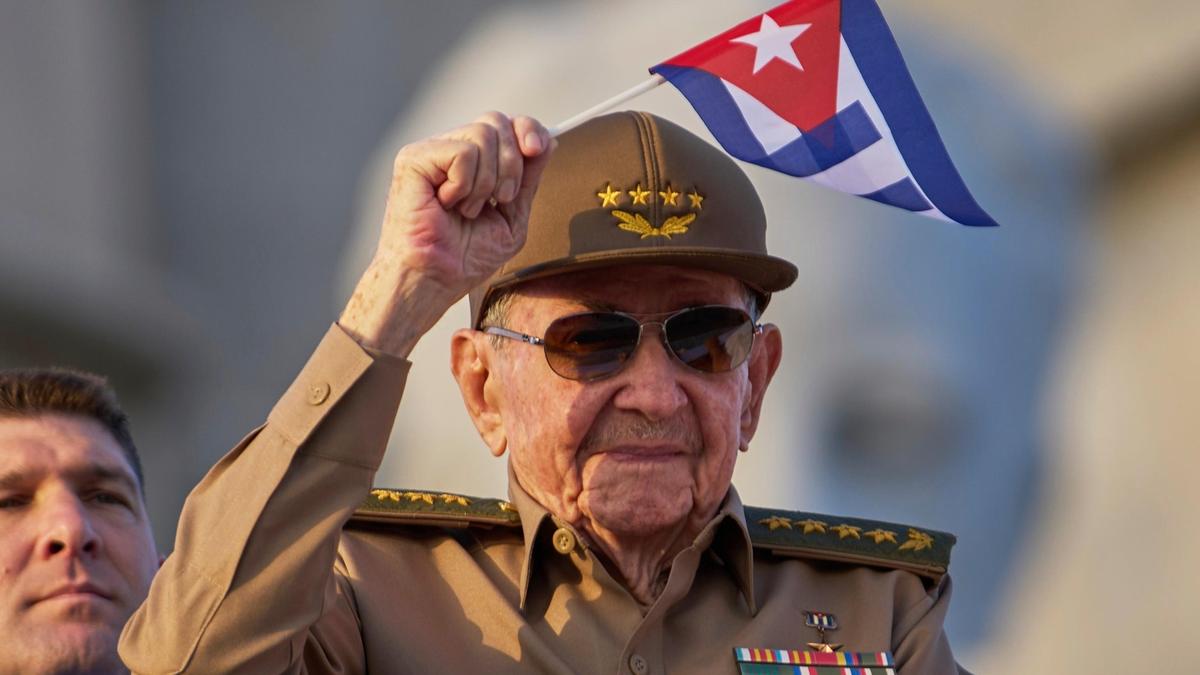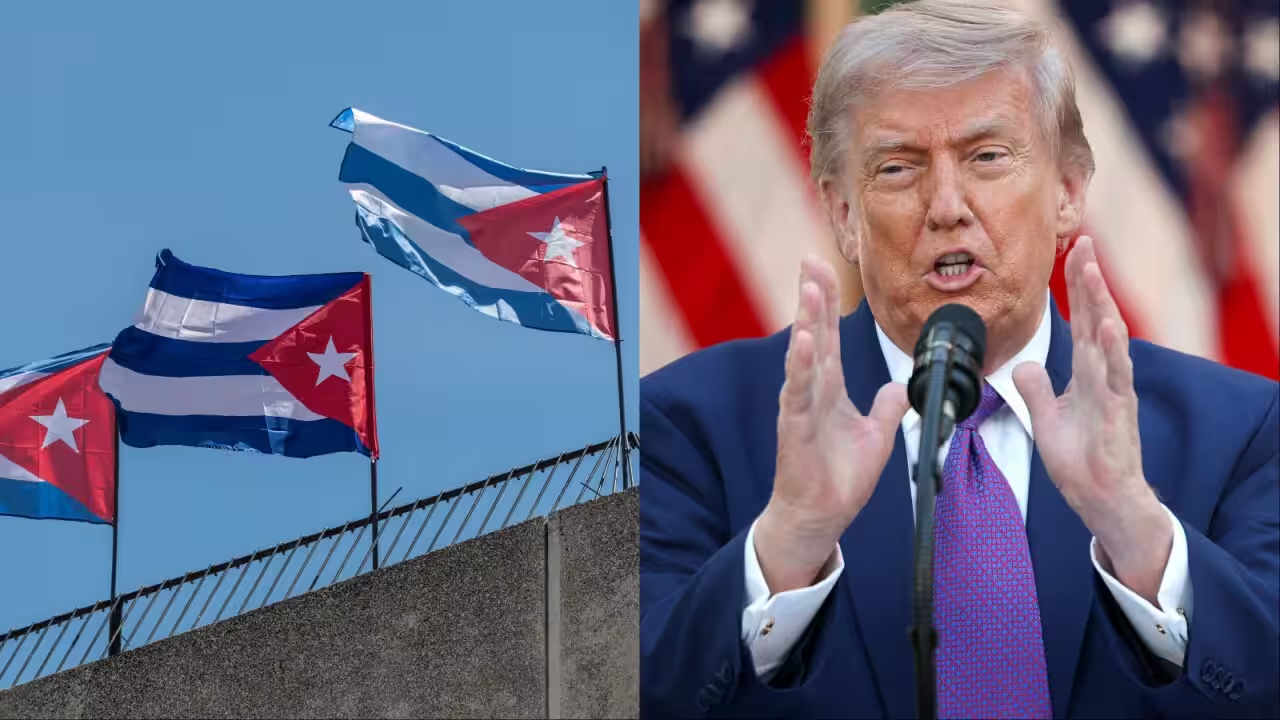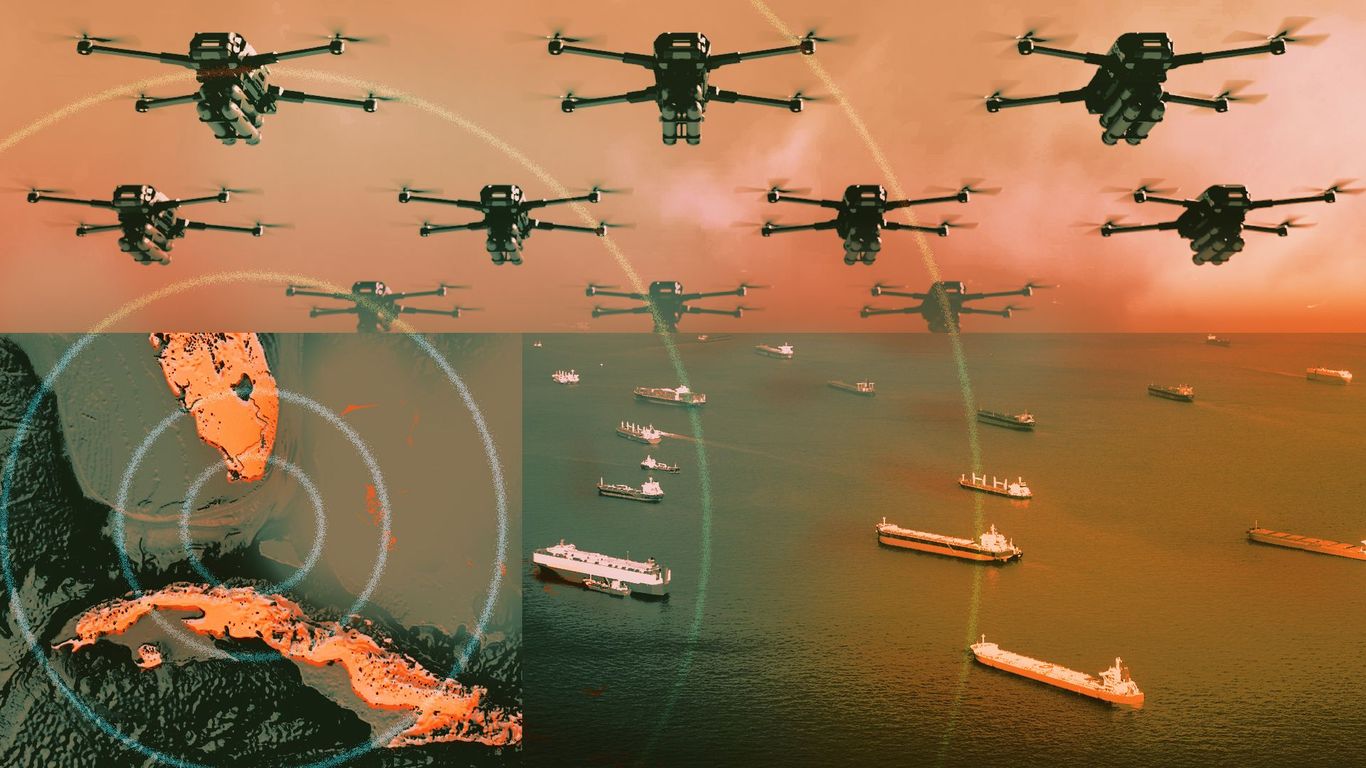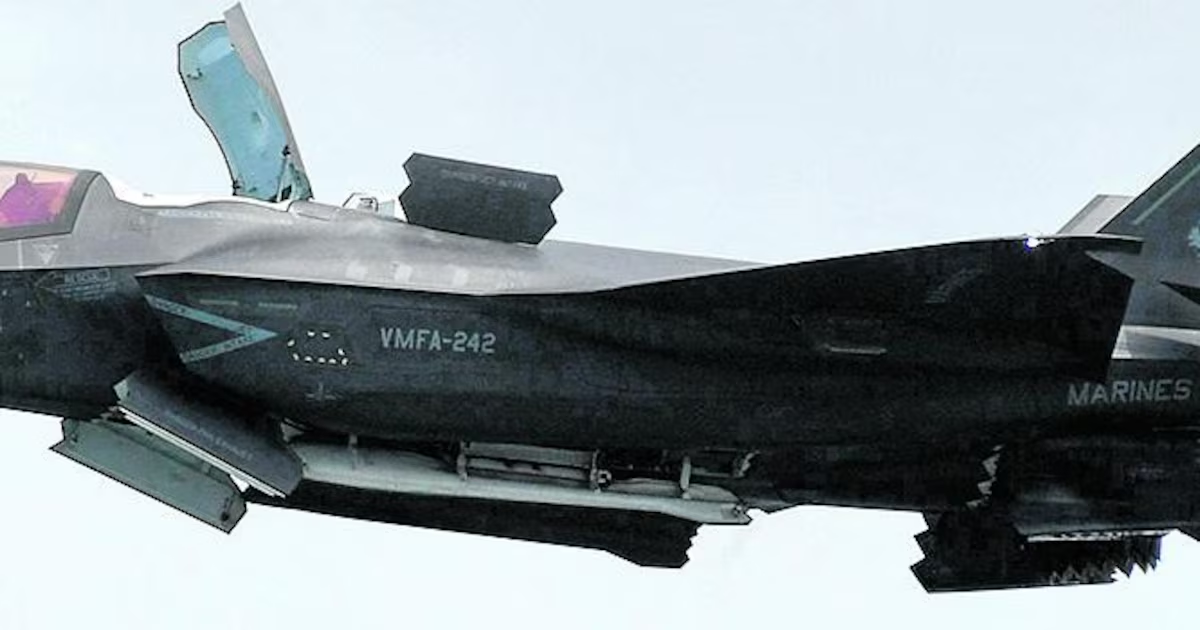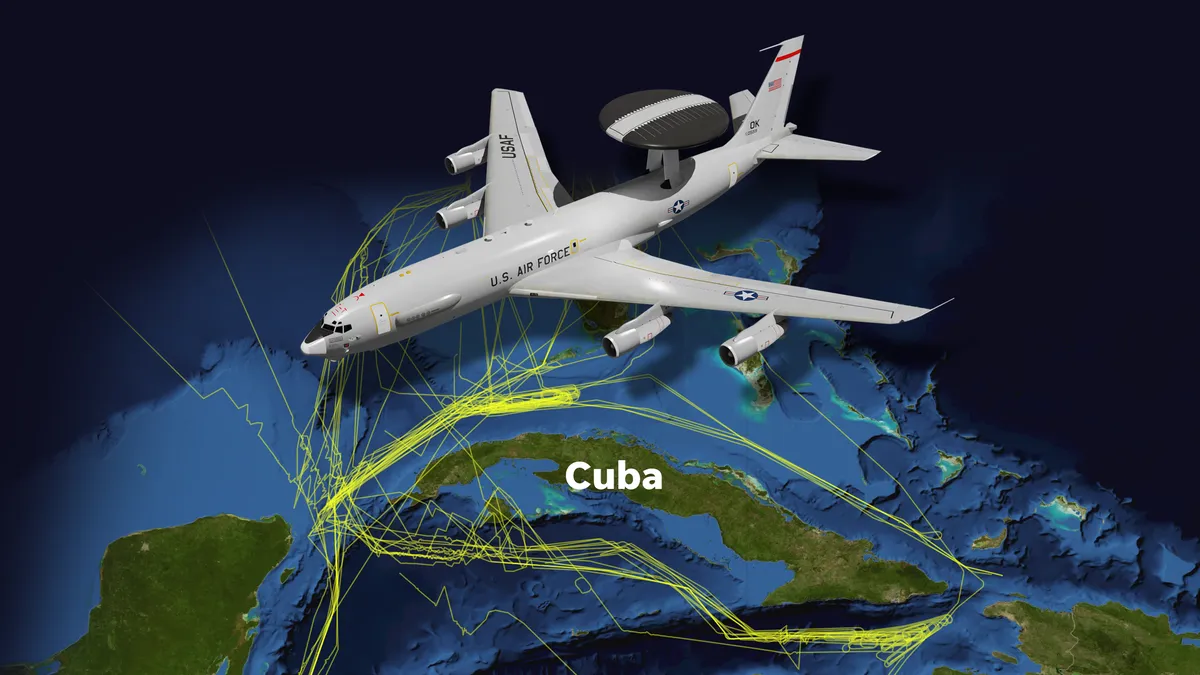
The United States has increased its military and intelligence surveillance flights near Cuba, a move that could aid a military buildup capable of carrying out President Donald Trump’s threat to attack the island nation.U.S. air and naval forces have conducted at least 26 flights within 80 miles of Cuba from Feb. 4 to May 12, according to a USA TODAY analysis of Flightradar24 data. Most flights come within 40 miles of the country with flight paths that are consistent with surveillance missions.The flights appear to be concentrated near two prominent Cuban cities: Havana, the capital, and Santiago de Cuba, the second-largest city in the country.The exact number of military flights is not known. However, news of them is significant because they're:Different paths: Locations tracked by Flightradar24 show a different pattern in 2025 when compared with 2026 during the same time frame. This year’s flights encircle the country and include loitering patterns, those in 2025 appear to just pass by, Ian Petchenik of Flightradrar24 told USA TODAY.Higher profile: Military surveillance flights can take steps to avoid detection, but these have been trackable by public sites.Closer to Cuba: The 40-mile distance from Cuban shores indicates the flights are close enough for certain types of intelligence gathering, especially electronic signals.Aircraft variety: The flights are using different types of aircraft and drones in the same time period.Can't see the graphic above? Click here to reload the page.While the flights could be intended as a signal to Cuba, they can also provide intelligence for U.S. analysis of Cuban air defenses.How US surveillance flights near Cuba surgedFrom February through May 12, 2026 there were at least 26 (ISR) military flights within 80 miles of Cuba. Here's a closer look at the flight paths:What aircraft are being used for surveillance flights?According to CNN and Flightradar24, most of the flights were conducted by:P-8A Poseidon: A multi-mission maritime patrol aircraft used by the U.S. Navy for long-range anti-submarine and anti-surface warfare and intelligence gathering.RC-135V Rivet Joint: A U.S. Air Force reconnaissance aircraft used for intelligence gathering by analyzing electromagnetic signals.MQ-4C Triton: A high-altitude uncrewed U.S. Navy reconnaissance drone capable of operating above 50,000 feet for 24 hours.E-3 Sentry: A modified Boeing 707/320 aircraft with a rotating radar dome, used by the Air Force as an airborne warning and control system, or AWACS, for surveillance and target detection.Why is the total number of surveillance flights not known?Some military or law‑enforcement flights can legally disable their ADS‑B Out transponders, which can prevent them from appearing on civilian flight‑tracking sites.However, such flights may be detected by other devices including Mode S/MLAT or radar, depending on the type of equipment and coverage.What else is happening with Cuba?The surveillance report follows news that the United States is moving to indict former Cuban president Raúl Castro over an incident in which two planes on humanitarian flights were shot down by the Cuban government in 1996. The downing of the two civilian planes, operated by the exile group Brothers to the Rescue, remains one of the most politically charged episodes in modern U.S.-Cuba relations. Some U.S. officials are still pressing for criminal accountability three decades later.CONTRIBUTING: Francesca Chambers, Josh Meyer, Cindi Andrews, USA TODAYSOURCE: USA TODAY Network reporting and research; Reuters; FlightRadar24; U.S. Government Accountability Office; U.S. Navy; U.S. Air Force; Boeing; Northrop Grumman
Map shows US steps up spy flights near Cuba as tensions escalate
The United States is sending more aircraft and drones for surveillance flights of Cuba than ever before. Are they preparing for military action?
551 words~3 min read